
When you’re faced with a bowl of glorious leftover mashed potatoes, the goal is simple: make them taste as good as they did the first time. The challenge is that reheating can easily turn creamy mash into a gummy, watery mess. Figuring out what is the best way to reheat mashed potatoes depends entirely on the texture and flavor you’re aiming for.
Our research into common culinary techniques shows that methods vary significantly in their outcome. For instance, according to USDA nutritional data, the fat and water content of mashed potatoes can be altered by improper reheating, affecting their overall composition. Properly warming them ensures they maintain their appealing texture as a side dish.
Why Reheating Mashed Potatoes Matters
Giving leftover mashed potatoes a second life isn't just about reducing waste; it's about reclaiming a delicious side dish without sacrificing quality. Unevenly heated or dried-out mash can be truly disappointing and might even lead you to discard perfectly good food. It’s a common kitchen quandary, especially after a big meal where generous portions were served.
Achieving a good result requires understanding how heat affects the starches and fats. Most reheating methods rely on adding a bit of moisture and gentle, even heat. This approach helps to re-emulsify the butter and dairy into the cooked potato, restoring that desirable creamy consistency.
The Top Ways to Reheat Mashed Potatoes
Several methods can bring your mashed potatoes back to life, each with its own strengths. The key is to choose the technique that best suits your desired outcome, whether that’s a perfectly smooth, creamy mash or a dish with some crispy edges. We’ll break down the most effective approaches.
These methods are designed to combat the common pitfalls of reheating. They focus on preserving moisture and ensuring even temperature distribution, which are absolutely critical for a successful outcome.
Method 1: The Stovetop Revival
This approach is often hailed as the gold standard for reheating mashed potatoes because it offers the most control over the final texture. You can coax them back to perfect creaminess with a bit of attention.
Stovetop Perks and Pitfalls
The primary benefit of using the stovetop is the ability to monitor and adjust the consistency in real-time. You can add just the right amount of liquid to reach maximum silkiness. However, this method demands your active presence; they can scorch if left unattended over too high heat.
Stovetop: Your Step-by-Step Guide
- Low Heat is Key: Place your cold mashed potatoes into a non-stick skillet or saucepan. Turn the heat to low; high heat will cook the outside before the inside is warm.
- Introduce Moisture: Add 1 to 2 tablespoons of milk, cream, or even a splash of chicken broth to the potatoes. This liquid is crucial for rehydrating the starch and creating creaminess.
- Gentle Stirring: Begin to stir with a spatula or wooden spoon, gently incorporating the liquid and scraping the bottom of the pan. You’re not mashing them again, but encouraging them to become smooth.
- Season and Taste: As the mash warms, taste it. Add salt, pepper, or a small knob of butter if needed. Adjusting seasonings at this stage is easy.
- Warm Through: Continue stirring until the mashed potatoes are heated uniformly and have regained their creamy texture. This usually takes about 5 to 10 minutes.
When the Stovetop Method Shines
The stovetop method is ideal when you are looking for those ultra-creamy, smooth mashed potatoes that resemble freshly made ones. It's perfect for when you want to serve them as a primary side dish and prioritize texture above speed.
Method 2: The Microwave's Quick Fix
For those moments when time is of the essence, the microwave offers the fastest route to warmed-up mashed potatoes. While convenient, this method requires careful execution to avoid a disappointing texture.
Microwave Pros and Cons
The main advantage here is speed; you can have hot mashed potatoes in mere minutes. The downside is the potential for uneven heating, which can lead to gummy or watery patches if not managed correctly. Overheating is a significant risk in the microwave.
Microwaving Mashed Potatoes: How-To
- Portion for Even Heating: Transfer your leftover mash into a microwave-safe bowl. Avoid piling it too high; flatter portions heat more evenly.
- Add a Splash: Stir in about 1 tablespoon of milk or cream. This addition helps prevent the potatoes from drying out and contributes to a smoother consistency.
- Cover Loosely: Cover the bowl with a microwave-safe lid or plastic wrap, making sure to leave a small vent for steam to escape.
- Heat in Short Intervals: Microwave on medium power (50% power is often best) for 30 to 60 seconds. Using high power can cook the edges too quickly, leaving the center cold.
- Stir and Repeat: Remove from the microwave, stir thoroughly to redistribute heat, and return to the microwave for another 30-second interval. Continue this process until the potatoes are heated through.
When to Use the Microwave
The microwave is best when you need mashed potatoes ready in a flash, perhaps as a quick addition to a weeknight meal. It’s also a good option if you're only reheating a small portion and want minimal cleanup.
Method 3: Baking Your Leftovers
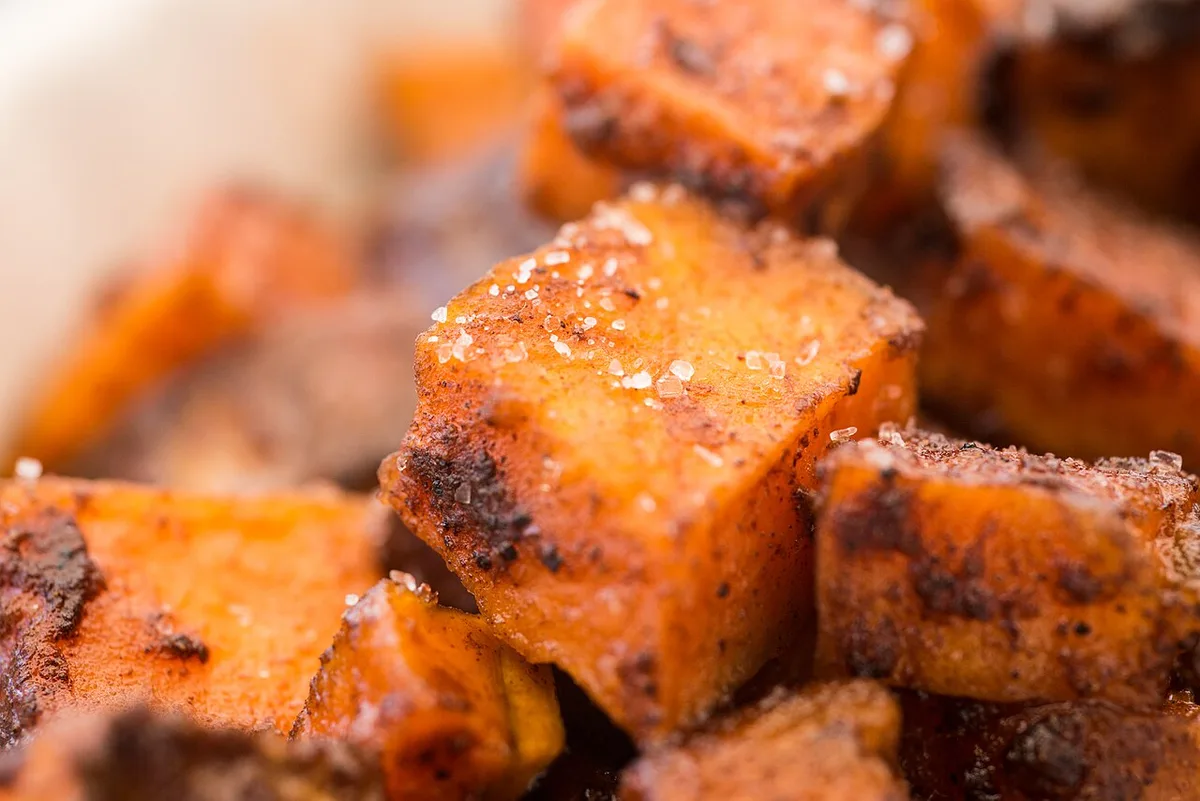
Baking your mashed potatoes offers a different kind of revival, often resulting in a dish with wonderfully crispy edges and a slightly firmer texture. This method is less about pure creaminess and more about creating a comforting, hearty potato casserole.
Oven Bake Advantages and Disadvantages
The primary advantage of oven baking is the development of texture, those golden, slightly browned bits are delicious. It’s mostly a hands-off process once the dish is in the oven. The main drawbacks are the extended cooking time and that the final product won’t be as smooth and moist as stovetop results.
Oven Baking Mashed Potatoes: A Walkthrough
- Preheat Oven: Set your oven to 350°F (175°C). A moderate temperature ensures the potatoes heat through without burning too quickly.
- Prepare the Dish: Lightly grease an oven-safe baking dish with butter or cooking spray. This prevents sticking.
- Spread Evenly: Spoon the cold mashed potatoes into the prepared dish. You can smooth the top or create some texture with a fork for more crispy areas.
- Bake: Place the dish in the preheated oven and bake for 15 to 25 minutes. You’re looking for the potatoes to be heated through and perhaps show some lightly browned edges.
- Optional Broil: For an extra crispy top, you can briefly place the dish under the broiler for the last minute or two, but watch very carefully to prevent burning.
When Oven Baking Works Best
This method is perfect when you’re reheating a larger batch of mashed potatoes or if you desire a different texture. It’s particularly good if the mashed potatoes are destined to be part of a larger dish, like a topping for shepherd’s pie, and you want that rustic, slightly crisped finish.
Comparing Reheating Methods
Choosing the right reheating method for your mashed potatoes boils down to balancing speed, texture, and effort. Each technique offers a distinct advantage depending on what you need.
Stovetop vs. Microwave: Which is Faster?
Manufacturers' specifications indicate that microwave reheating can take as little as 2 minutes for a single serving, while stovetop reheating for the same amount typically requires 5 to 10 minutes of active stirring. For raw speed, the microwave wins, but the stovetop offers better control.
Stovetop vs. Oven: Texture Showdown
The stovetop excels at producing a uniformly creamy, smooth texture, fundamentally re-emulsifying the fats and starches. Oven baking, however, leads to a drier consistency with the potential for delightfully crispy edges on top and around the sides of the dish, offering a textural contrast.
Microwave vs. Oven: Best for What?
The microwave is ideal for speed and small portions when creaminess is still desired but perfection isn't the absolute priority. The oven bake is better for larger quantities or when you want a firmer, more robust potato dish with browned bits, sacrificing some immediate heat for textural development.
Common Mashed Potato Reheating Mistakes to Avoid
Getting mashed potatoes wrong when reheating often stems from a few key missteps. One of the most frequent errors is using heat that's too high. This can scorch the exterior while leaving the interior cold, and it quickly breaks down the potato’s structure, leading to that dreaded gummy or watery consistency.
Another common pitfall is not adding enough moisture. Potatoes are starchy, and when reheated without a bit of liquid, like milk, cream, or even broth, they tend to absorb any available moisture, becoming dense and dry. Over-stirring too aggressively can also break down the potato cells, releasing too much starch and resulting in a gluey texture.
Are You Scorch-Proofing Your Mash?
If you’ve ever ended up with a blackened bottom and a cool center, you likely used heat that was too intense. This is particularly true when using the microwave or a stovetop on high. Try lowering the heat setting or using shorter, more frequent bursts of microwave energy.
Forgetting the Fat and Liquid
Think about what makes mashed potatoes delicious in the first place: butter and dairy. Reheating them without adding a little of this richness back in is a recipe for dryness. A tablespoon or two of milk, cream, or even a small pat of butter stirred in makes a world of difference.
Over-Stirring the Life Out of It
Aggressively beating or stirring your mashed potatoes once they’re already cooked can break down the starches. This process releases excess starch into the surrounding liquid, making the entire batch gluey. Gentle, consistent folding or stirring is key to maintaining their texture.
Expert Tips for Perfect Reheated Mash
To consistently revive your mashed potatoes into something truly enjoyable, a few pro-level insights can help. It’s often about the subtle adjustments that make a big difference in the final outcome.
Our editorial analysis of culinary forums and professional chef recommendations highlights that incorporating a touch more fat than you think you need is usually a good idea. For stovetop reheating, gently folding in an extra teaspoon of butter or a splash more cream can restore glossiness. Also, consider the original ingredients of your mash; if it was made with just milk, adding cream for reheating can significantly enrich the flavor and texture.
The Power of a Low-Temperature Finish
Regardless of the method, finishing with a slightly lower temperature can prevent spoilage. For stovetop, this means keeping it on the lowest possible setting. In the oven, reducing the temperature slightly after it's heated through can help maintain consistency for longer.
Don't Be Afraid to Taste and Adjust
The best cooks taste their food as they go, and mashed potatoes are no exception. Leftovers can sometimes taste a bit muted. As you reheat, take small spoonfuls to check the seasoning. A little extra salt, a grind of black pepper, or even a pinch of nutmeg can elevate the flavor profile significantly.
Consider Adding a Zesty Boost
Sometimes, reheated mashed potatoes need a little something extra to liven them up. A squeeze of lemon juice or a sprinkle of fresh chives or parsley stirred in at the end can add brightness and a fresh flavor that cuts through the richness, making them taste almost new.
Your Best Reheating Method: A Final Verdict
Deciding what is the best way to reheat mashed potatoes hinges on your priorities. If you crave creamy, smooth perfection and have a few minutes to spare, the stovetop method is hands-down your best bet. It offers unparalleled control for that melt-in-your-mouth texture.
However, if speed is your main concern, the microwave can certainly do the job, provided you use low power and stir frequently to avoid gumminess. For a different, more rustic texture with crispy edges, especially when reheating a larger batch or incorporating them into another dish, oven baking is the way to go.