
What Is Balsamic Vinegar Used For In Cooking?
When you're looking to add a sophisticated, sweet-and-tangy note to your food, balsamic vinegar often comes to mind. But what exactly makes it so versatile, and how should you actually use it? Understanding the different types and their characteristics is key to unlocking its full potential in your kitchen.
Research shows that Aceto Balsamico di Modena (Balsamic Vinegar of Modena) is the most common type found in grocery stores. It's a regulated product, with specifications that require it to be made from grape must and wine vinegar, aged for a minimum of two months before bottling, offering a balanced flavor profile for everyday use. We’ll break down its many culinary applications.
What Is Balsamic Vinegar, Really?
Balsamic vinegar isn't just another bottled condiment; it has a rich history and specific production methods that define its unique taste and texture. Generic AI might list uses but won't convey the nuanced understanding of why balsamic works in certain applications, the subtle flavor differences between types, or the best pairings based on years of practical cooking experience and palate development.
Traditional vs. Modena: Knowing Your Balsamics
The magic of balsamic vinegar lies in its dual nature, with significant differences between its traditional and common commercial forms. Understanding these distinctions is the first step to using it effectively.
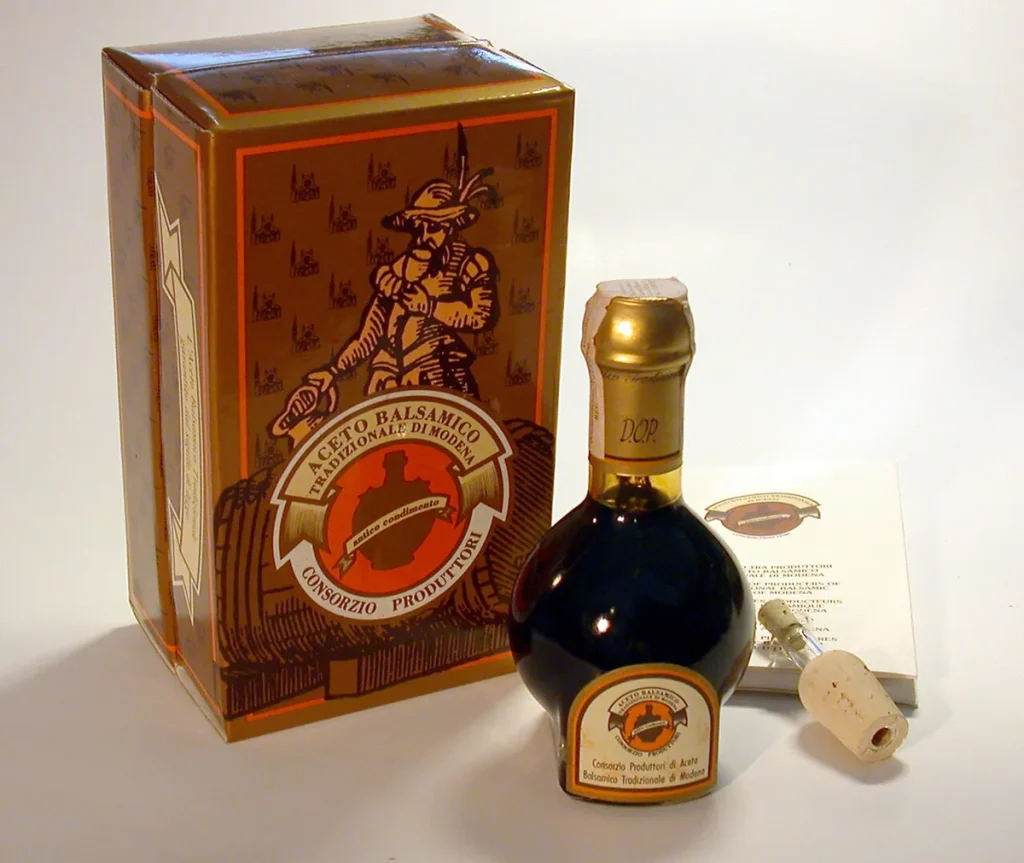
Traditional Balsamic Vinegar (Aceto Balsamico Tradizionale): This is the premium, aged version. It's made exclusively from cooked grape must, meaning the natural juice of the grapes that has been reduced by cooking. This must is then aged for a minimum of 12 years in a series of progressively smaller wooden barrels, undergoing slow evaporation and concentration. Manufacturers adhere to strict regional production laws, typically from the Emilia-Romagna region of Italy. The result is a thick, syrupy, intensely flavored vinegar with notes of fruit, wood, and a complex sweetness. It's usually pricey and often enjoyed in very small quantities.
Balsamic Vinegar of Modena (Aceto Balsamico di Modena): This is the type most people have in their pantries. It's produced in the Modena and Reggio Emilia provinces and, while still regulated, it allows for the addition of wine vinegar (like red wine vinegar) to the grape must. It also has shorter aging periods, often just a few months, or sometimes it's not aged at all and relies on caramel coloring and flavoring for its characteristic dark hue and sweet tang. While less complex than its traditional counterpart, it’s incredibly versatile for everyday cooking.
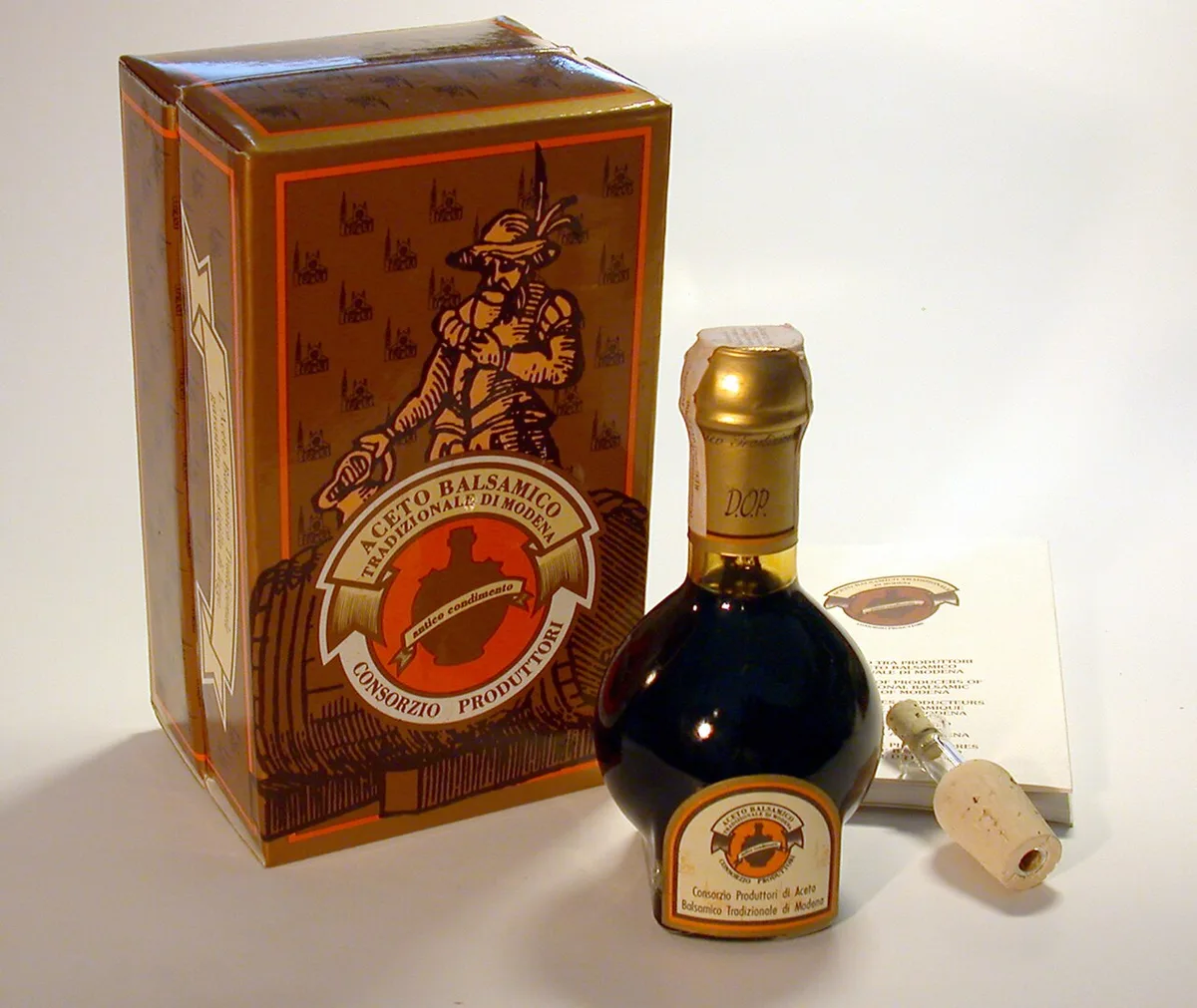
A common bottle of Balsamic Vinegar of Modena, the everyday staple in many kitchens.
Why Balsamic Vinegar is a Culinary Chameleon
The standout feature of balsamic vinegar is its remarkable balance of sweet and tart flavors. This characteristic makes it incredibly adaptable, able to complement a wide range of ingredients and dishes. Its acidity cuts through richness, while its innate sweetness adds depth and complexity.
The Sweet & Tart Symphony
The interplay between sweetness and acidity is what makes balsamic vinegar so dynamic. It's not just simply sour; it carries a natural, fruit-derived sweetness that softens the edge of its tartness. This inherent balance allows it to perform multiple roles in a dish, acting as both a brightener and a mellowing agent.
Beyond the Salad: Countless Balsamic Uses
While a simple oil-and-vinegar dressing is a classic, balsamic vinegar offers a universe of culinary possibilities far beyond leafy greens. Its unique flavor profile allows it to transform dishes, adding layers of taste that can elevate even the simplest ingredients.
Turn It Into Liquid Gold: Glazes & Reductions
Simmering balsamic vinegar down is one of the most effective ways to concentrate its flavors and achieve a delightful syrupy consistency. This process, known as making a glaze or reduction, intensifies both the sweetness and the tang, creating a powerful flavor enhancer.
For Meats and Poultry
A balsamic reduction is exceptional for finishing grilled or roasted meats. It adds a beautiful sheen and a sweet, savory depth that pairs wonderfully with pork chops, chicken breasts, duck, and even steak. The glaze caramelizes slightly under heat, creating a luscious coating.
For Roasted Vegetables
Balsamic glaze also makes roasted vegetables sing. Think Brussels sprouts, carrots, or squash; a drizzle of balsamic reduction before or after roasting brings out their natural sweetness and adds a gourmet touch. It helps create those coveted crispy edges and deeply flavored bites.
Marinades That Tenderize and Flavor
Just as it tenderizes meats in a glaze, balsamic vinegar is an excellent base for marinades. Its acidity works to break down tough muscle fibers in meats like beef, pork, and lamb, making them more tender. Combined with olive oil, garlic, herbs, and perhaps a touch of honey or soy sauce, it creates marinades that infuse deep flavor.
Dressings, Elevated: Beyond Basic Vinaigrettes
While a straightforward mix of balsamic and olive oil is delicious, you can do so much more. Whisking balsamic with Dijon mustard and a touch of honey or maple syrup creates a classic, well-rounded vinaigrette that holds up. You can also blend it with fresh berries for a fruity dressing or even incorporate a small amount into creamy dressings for an unexpected bright note.
Sauces and Pan Sauces, Instantly
After searing meat or poultry, the flavorful bits left in the pan, known as fond, are a cook's treasure. Deglazing that pan with a splash of balsamic vinegar can create an immediate, rich sauce. Adding a little chicken or beef broth, perhaps a knob of butter, and reducing it further yields a restaurant-quality finish for your main course in mere minutes.
The Perfect Partner for Cheese
Balsamic vinegar's flavor profile makes it a traditional and delightful companion for a variety of cheeses. Its sweet and acidic notes can cut through the richness of some cheeses while highlighting the savory nuances of others. This pairing is deeply rooted in Italian culinary tradition.
- Hard, Aged Cheeses: Consider aged Parmigiano-Reggiano or Grana Padano. A few drops of good quality balsamic vinegar, especially a traditional aged variety, can enhance their salty, umami flavors beautifully. It provides a sweet counterpoint that many find irresistible.
- Soft, Creamy Cheeses: Goat cheese and fresh mozzarella also shine with balsamic. The vinegar’s brightness cuts through the creaminess of goat cheese, while it complements the mild, milky sweetness of fresh mozzarella.
- Blue Cheeses: For a bolder pairing, try balsamic with assertive blue cheeses like Stilton or Gorgonzola. The vinegar’s tang can balance the pungent, salty character of these cheeses.
Sweet Surprises: Balsamic in Desserts
This application might surprise some, but balsamic vinegar, particularly higher-quality versions, can add a sophisticated twist to desserts. Its inherent fruitiness and sweetness can complement sweet flavors rather than clash with them.
- Berries: Fresh strawberries are a classic partner for balsamic. A simple drizzle over sliced strawberries, perhaps with a bit of sugar or honey, can enhance their flavor dramatically.
- Creamy Desserts: Vanilla ice cream or panna cotta can benefit from a light balsamic reduction. It adds an unexpected layer of complexity that plays off the creamy sweetness.
- Fruit Tarts and Cakes: A touch of balsamic in a fruit tart filling or as a glaze over a simple cake can provide a subtle, intriguing contrast.
Understanding Your Balsamic Label: What to Look For
Navigating the balsamic aisle can be a bit confusing, but paying attention to a few key details on the label can help you choose the right vinegar for your needs. In our research, we've found that understanding the terminology is crucial.
- "Aceto Balsamico Tradizionale" vs. "Aceto Balsamico di Modena": As discussed, "Tradizionale" signifies a product aged for at least 12 years and made solely from grape must. "Balsamico di Modena" is often a blend with wine vinegar and has shorter aging requirements or none at all.
- Ingredient List: Look for grape must as a primary ingredient. If the first ingredient is "wine vinegar," it's likely a less concentrated, more acidic product. The presence of caramel coloring (often listed as E150) indicates a product that relies on artificial coloring rather than natural aging for its dark hue.
- Certifications: For Aceto Balsamico di Modena, look for the PGI (Protected Geographical Indication) seal, often represented by a blue and gold emblem. For Traditional Balsamic Vinegar, look for the DOP (Protected Designation of Origin) seal, usually a red and gold emblem, particularly from Modena or Reggio Emilia.
- "12 anni" or "25 anni": These numbers on traditional balsamic vinegar bottles indicate the minimum aging period. The longer the aging, the thicker, sweeter, and more complex the vinegar will be. As of 2026, these aging designations remain key indicators of quality.
Common Mistakes When Using Balsamic Vinegar
To get the most out of your balsamic vinegar, it's helpful to know what pitfalls to avoid. These common missteps can lead to less-than-ideal flavor outcomes.
- Using Cheap Balsamic for Expensive Dishes: While a budget-friendly balsamic vinegar of Modena is fine for everyday dressings or marinades, using it for delicate dishes or as a finishing glaze might not yield the desired depth of flavor. The complex notes of a higher-quality traditional or well-aged Modena are essential for these applications.
- Boiling Traditional Balsamic: Traditional balsamic vinegar is so rich and flavorful that boiling it aggressively can destroy its delicate aromas and complex nuances. It's best added near the end of cooking or used as a finishing drizzle.
- Over-Acidity: Sometimes, balsamic vinegar, especially younger ones, can be too sharp. Balancing it with a touch of sweetness (like honey, maple syrup, or even a pinch of sugar) in dressings or sauces can create a more harmonious flavor profile.
- Not Reducing Enough: When aiming for a glaze or reduction, not simmering the vinegar long enough can result in a thin, weak sauce that lacks the concentrated sweetness and body desired. A good reduction will coat the back of a spoon.
Expert Tips for Maximizing Balsamic Flavor
To truly harness the power of balsamic vinegar in your cooking, consider these insights gained from culinary research and practice. These tips go beyond basic usage to help you appreciate its full potential.
- Taste Before You Use: Always taste your balsamic vinegar to understand its current flavor profile. Is it sharp and acidic, or does it have a pleasant sweetness? This guides how you'll use it in a recipe.
- Consider Aging: For dressings and marinades, a standard balsamic of Modena is usually sufficient. However, for finishing dishes, dipping bread, or pairing with cheese, investing in a higher-quality, aged balsamic can make a significant difference.
- Layer Flavors: Balsamic vinegar can be used at different stages of cooking. Use a milder version in a marinade to tenderize, a syrupy reduction as a finishing glaze, and a dash perhaps even in a dessert for an unexpected complexity.
- Storage Matters: Store balsamic vinegar in a cool, dark place with the cap tightly sealed. Unlike wine, it doesn't typically improve with long-term aging after bottling, but proper storage preserves its flavor.
