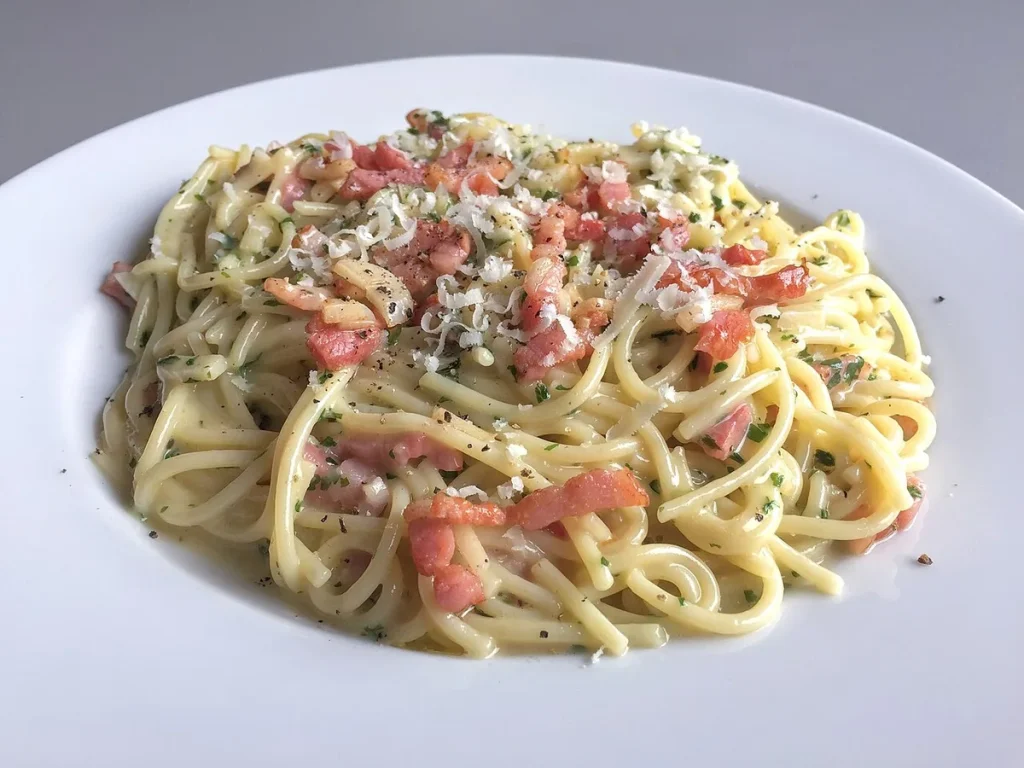

If you've ever scrolled through endless pasta recipes online, you've likely seen "Carbonara" splashed across a hundred different dishes, many laden with cream, peas, or even chicken. But what truly defines this classic Roman sauce? The answer is simpler and more elegant than you might think, relying on a few key ingredients and a specific technique to achieve its signature texture and flavor.
Our research into authentic Italian culinary traditions confirms that a genuine Spaghetti alla Carbonara is a dish born from necessity and perfected over time, showcasing the power of simple, high-quality components. As of 2026, the prevailing culinary consensus, supported by esteemed Italian food historians, emphasizes a precise ingredient roster and method. Let's break down what sets the real deal apart from its many cousins.
The Real Deal: What is Authentic Carbonara Sauce?
The simple truth is, authentic Carbonara sauce isn't really a "sauce" in the way many might imagine. It’s an emulsion, a beautiful marriage of eggs, cured pork fat, hard cheese, and starchy pasta water that coats each strand of spaghetti. This results in a dish that’s incredibly rich, deeply savoury, and surprisingly light on the palate, a far cry from heavy, cream-based sauces.
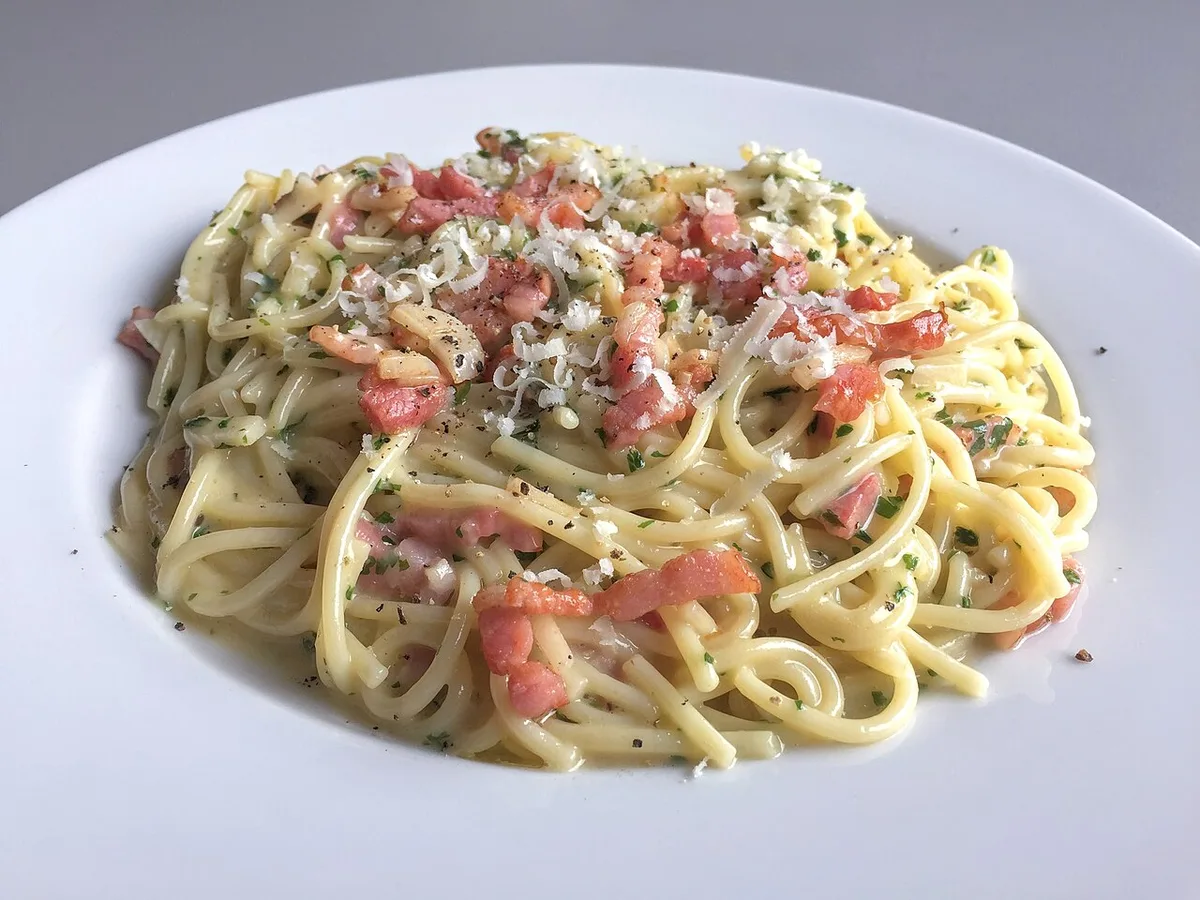
At its heart, Carbonara is about balance. When prepared correctly, the ingredients work in harmony, creating a flavour profile that's both complex and comforting. It's a testament to the Italian philosophy that fewer, better ingredients can create something truly extraordinary.
Guanciale, Pecorino, Eggs: The Holy Trinity of Carbonara
Forget any recipe that strays too far from the core. The soul of Carbonara comes from three principal players: guanciale, Pecorino Romano cheese, and eggs.
- Guanciale: This is cured pork jowl, and it's non-negotiable for true Carbonara. It's richer and has a more distinct, slightly sweeter flavour than pancetta or bacon. When rendered, it releases a deeply savoury fat that’s essential to the dish’s flavour base.
- Pecorino Romano: A hard, salty sheep's milk cheese, Pecorino Romano provides the signature tangy, sharp bite that cuts through the richness of the egg and pork fat. Its flavour is intense, and a good amount is needed to properly season the entire dish.
- Eggs: Typically, a mix of whole eggs and egg yolks is used. The yolks contribute to the sauce's creaminess and richness, while the whites can help bind the emulsion, though some purists use only yolks. The eggs are tempered with hot pasta water and the residual heat of the pasta itself to create a smooth, creamy coating rather than scrambling.
If you've ever had Carbonara where cream was listed as an ingredient, know that it's not part of the traditional Roman preparation. Those ingredients are what build the foundation for an authentic experience.
What Makes Carbonara Carbonara (and Not Something Else!)
The magic of Carbonara lies not just in its ingredients but in how they combine. It’s a technique-driven dish where precision ensures success.
The Texture: Silky Smooth, Never Creamy
The hallmark of a well-made Carbonara is its texture. It should be a glossy, coating emulsion, think silky rather than heavy. This is achieved by carefully tempering the egg and cheese mixture with hot pasta water and the rendered guanciale fat. The goal is to cook the eggs gently, creating a sauce that clings to every strand of spaghetti without clumping or turning into scrambled eggs.
The Flavour Profile: Salty, Peppery, Rich
A true Carbonara offers a complex flavour profile that’s more than the sum of its parts. You get the deep, savoury notes from the rendered guanciale, a sharp, salty tang from the Pecorino Romano, and a subtle richness from the eggs. Freshly cracked black pepper is crucial, adding a pungent bite that complements the other ingredients perfectly. It’s a dish that tastes robust and satisfying, yet feels surprisingly elegant.
Common Sabotages: The Carbonara Crimes to Avoid
Many recipes masquerading as Carbonara miss the mark spectacularly, often by deviating from the core ingredients or techniques. Avoiding these common pitfalls is key to understanding what makes the dish truly special.
The Cream Conundrum
Let's be clear: traditional Carbonara does not contain cream. Adding cream significantly alters the texture, making the sauce heavy and masking the delicate flavours of the guanciale and Pecorino. Our research shows that recipes from Italian culinary institutes consistently exclude cream, relying solely on the emulsification of eggs, cheese, and pasta water to achieve silkiness.
The Egg Scramble Syndrome
This is perhaps the most frequent and heartbreaking mistake. Scrambled eggs are the enemy of a good Carbonara. This happens when the egg and cheese mixture is introduced to too much direct heat too quickly, causing the proteins to seize up and cook into curds. The key is to temper the eggs with hot pasta water and fat before tossing it with the pasta off the heat, allowing the residual warmth to cook the eggs gently.
The Wrong Cheese Faux Pas
While finely grated Parmesan cheese might seem like a close substitute for Pecorino Romano, it’s actually quite different and can throw off the dish's balance. Pecorino Romano, made from sheep's milk, has a sharper, saltier, and more pungent flavour profile than Parmesan, which is made from cow's milk and is milder and nuttier. Using Parmesan often results in a less vibrant, less "Roman" tasting Carbonara.
Guanciale vs. Pancetta vs. Bacon: Understanding the Pork
The choice of pork is a defining characteristic that separates an authentic Carbonara from its imposters. While variations exist, understanding the traditional choice is crucial.
Guanciale: This is cured pork jowl, and it's the cornerstone of classic Carbonara. It's intensely flavourful and has a higher fat content than most pancetta or bacon. As it renders, it releases a rich, deeply savoury fat that forms a critical base for the sauce. The flavour is distinctive, slightly sweet with a cured depth that you won't get from other pork products.
Pancetta: This is Italian cured pork belly, often rolled and sometimes smoked, though traditionally it's not smoked like bacon. It’s a good substitute if guanciale is unavailable. It renders well and provides a good flavour, though it's generally leaner and might not impart quite the same depth of flavour as guanciale.
Bacon: While popular in many modern Americanized versions of Carbonara, standard smoked bacon is a significant departure from tradition. The heavy smoking process imparts a flavour that can overpower the other delicate ingredients, and its texture can be less appealing once rendered compared to guanciale or pancetta. If using bacon, opt for a less smoky, more artisanal variety and be prepared for a different final taste. The fat rendering and flavour profile simply aren't the same.
The Egg & Cheese Magic: Achieving Perfect Emulsification
The real heart of Carbonara’s technique lies in creating that luscious, silken sauce without a single drop of cream. It’s all about the controlled interaction of temperature and ingredients. You’re not scrambling eggs; you’re creating a smooth, creamy coating through emulsification, a process where two liquids that normally don’t mix, like egg fat and water, are persuaded to combine.
This is achieved by whisking together your eggs (and yolks) and Pecorino Romano cheese in a bowl, seasoning generously with black pepper. Then, as your pasta finishes cooking, you’ll reserve a cup or so of that starchy, salty pasta water. This water is gold; its starch content acts as a binder, helping the fat and egg mixture cling to the pasta.
To get the emulsion right, you gently whisk the hot, starchy pasta water into the egg and cheese mixture. This gradually raises the temperature of the eggs, tempering them. Then, you’ll drain your pasta (it should still be slightly al dente) and immediately toss it vigorously with the rendered guanciale and its fat in a large pan, off the heat.
Finally, pour the tempered egg and cheese mixture over the hot pasta and toss like mad. The residual heat from the pasta and the pan, combined with the starchy water, cooks the eggs just enough to thicken them into a glorious, glossy sauce that coats every single strand. If it looks too dry, add a splash more pasta water; if it seems too loose, toss it a bit longer off the heat.
When Carbonara Goes Wrong: Troubleshooting a Tricky Sauce
Even with the best intentions, Carbonara can sometimes turn into a culinary disaster. Most issues boil down to a few common problems that can usually be fixed, or at least mitigated, with a little understanding.
Why Are My Eggs Scrambled?
This happens when the pasta or pan is too hot when you add the egg mixture. The intense heat causes the egg proteins to cook too rapidly and clump up. To prevent this, always remove the pan from the heat before adding the egg mixture, and ensure you’re tempering the eggs properly with the hot pasta water beforehand. If it does scramble slightly, don't despair; you can sometimes rescue it by turning off the heat and stirring vigorously with a bit more pasta water to create a smoother, albeit imperfect, sauce.
My Sauce is Watery or Lacks Body
This usually means there wasn't enough starch in the pasta water, or not enough egg and cheese to emulsify properly. Always reserve at least a cup of your pasta water before draining. Don't drain the pasta completely dry. As you toss, keep stirring; the starch from the water will help bind everything together.
Adding a touch more Pecorino Romano during the tossing phase can also help thicken the sauce.
The Flavour is Bland
If your Carbonara is lacking that signature punch, it's likely a seasoning issue. Ensure you're using a good quality guanciale, which has a naturally rich flavour, and don't skimp on the Pecorino Romano. Freshly cracked black pepper is also essential for that spicy note. Taste and adjust seasoning after tossing everything together, as the salty cheese and pasta water will provide a good base.
Who is Authentic Carbonara For?
Authentic Carbonara is a dish that speaks to a specific appreciation for culinary tradition and technique. It’s not a casual weeknight throw-together for a picky eater, but rather an experience sought by those who value ingredient integrity and skilful preparation.
This dish is perfect for the home cook who enjoys understanding the "why" behind a recipe. If you're someone who appreciates the elegance of simplicity and the satisfaction of mastering a classic technique, Carbonara will reward you. It's also for anyone who has travelled to Rome or explored genuine Italian cuisine and wants to replicate or experience that authentic flavour back home.
It’s less suited for those who prefer overly saucy pasta dishes or have strict dietary restrictions that involve avoiding pork or eggs. The flavour profile is intense and specific, relying on its core components. If you're looking for a mild, universally palatable pasta, Carbonara might not be your first choice, but trying it in its authentic form could broaden your culinary horizons.
The Bottom Line: Why True Carbonara is Worth the Effort
While modern interpretations might be quicker or use more accessible ingredients, the pursuit of authentic Carbonara offers a profound culinary reward. It’s a dish that teaches you about flavour development, the magic of emulsification, and the beauty of using simple, high-quality ingredients to their full potential.
Mastering this Roman classic is more than just making dinner; it’s about connecting with a culinary heritage. The satisfaction of achieving that perfect, silky coating with just eggs, cheese, cured pork, and pepper is immense. It proves that incredible flavour doesn't require complex processes or a long list of exotic items. It's about respect for tradition and a keen eye for technique.
