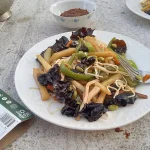
What exactly is chow mein white sauce? You've likely spotted it on restaurant menus or perhaps even tried your hand at making it at home, appreciating its distinct appearance and milder flavor. It stands apart from the richer, darker sauces often associated with traditional chow mein preparations. Our research indicates that this lighter sauce typically emphasizes a delicate balance of savory and sweet, with a notable umami depth that doesn't overpower other ingredients.
When we talk about "white sauce" in the context of chow mein, we're referring to a sauce base that relies on specific ingredients to achieve a lighter color and a less intense flavor profile than its darker counterparts. It’s a foundational element that allows the fresh taste of vegetables and proteins to come forward. Per industry culinary standards, a well-made white chow mein sauce achieves a glossy coating on noodles and ingredients, usually thanks to the careful use of a thickening agent like cornstarch, typically around 1 to 2 tablespoons per cup of liquid.
Features & Components: What's Inside White Chow Mein Sauce?
This sauce isn't about artificial coloring; its "whiteness" comes directly from the ingredients chosen and their proportions. The goal is a sauce that's savory and satisfying without the deep, dark hue that heavier soy sauces or other fermentations might impart. It’s a subtle art of balancing flavors to create a lighter, more versatile sauce.
The Base: Liquids and Thickener
At its heart, chow mein white sauce starts with a liquid. This is typically chicken or vegetable broth, providing a savory foundation, but sometimes it’s simply water. The real magic that gives it body and that desirable glossy finish comes from a thickening agent, most commonly cornstarch. When cooked with the liquid, cornstarch hydrates and swells, creating a viscous texture that clings beautifully to noodles and other ingredients.
This fundamental thickening step is critical, as it transforms a simple liquid into a sauce that complements the dish instead of pooling at the bottom.
Flavor Builders: Umami, Salt, and Sweetness
While it's a "white" sauce, it still needs depth and balance. Oyster sauce often plays a key role, even in lighter versions, contributing a significant layer of umami and a subtle, natural sweetness without adding dark color. A small amount of light soy sauce is usually included for saltiness and a hint of that classic soy flavor, carefully measured to avoid darkening the sauce too much. Sugar, whether granulated or in syrup form, is also a common addition, working to balance the savory notes and create a more rounded taste experience.
Aromatic Touches
Beyond the base flavors, aromatic elements are crucial for elevating white chow mein sauce. Freshly minced garlic and ginger are frequently incorporated, lending their pungent, warming notes. A touch of white pepper adds a gentle spiciness that's less visually intrusive than black pepper. Finally, a drizzle of toasted sesame oil, often added just before serving, contributes an unmistakable nutty aroma and flavor that’s a hallmark of many Asian stir-fried dishes.
White Sauce vs. Other Chow Mein Sauces: Key Differences
The distinction between "white" chow mein sauce and its darker counterparts is less about a binary choice and more about a spectrum of flavor profiles and color intensities. Understanding these differences helps you choose the right sauce for your culinary intentions.
Color and Flavor Intensity
The most apparent difference is color. White chow mein sauce typically ranges from a pale, translucent golden hue to a light opaque tan, depending on the ingredients. This contrasts sharply with traditional chow mein sauces, which are a deep brown, owing to generous amounts of dark soy sauce, hoisin, or other coloring agents. This color difference directly correlates with flavor intensity; white sauces tend to be milder and more delicate, allowing other ingredients to shine, while darker sauces offer a more robust, pronounced, and often saltier or sweeter profile.
Ingredient Focus: Soy Sauce vs. Others
The primary ingredients dictate these differences. While light soy sauce is common in white versions, they often minimize or omit dark soy sauce, which is a staple for achieving a deep brown color and richer flavor in traditional sauces. Conversely, traditional sauces might incorporate ingredients like hoisin sauce, black bean sauce, or dark fermented soy sauces for added complexity and color. Oyster sauce, while present in both, might be used in different proportions or in conjunction with other umami boosters in darker versions.
Texture and Mouthfeel
While both styles aim for a sauce that coats noodles and ingredients well, the precise texture can vary subtly. White chow mein sauces, with their reliance on cornstarch and lighter liquids, often achieve a smooth, glossy, and somewhat lighter film. Darker sauces, sometimes with additional ingredients like rice wine or a higher sugar content, can sometimes present a slightly thicker or stickier mouthfeel. The goal in both cases is a balanced consistency that doesn't make the dish greasy or watery.
Benefits & Drawbacks of Using White Chow Mein Sauce
Like any culinary choice, opting for a white chow mein sauce comes with its own set of advantages and potential limitations. Knowing these helps you make an informed decision about when and why to use it, ensuring it fits your dish's needs.
Pros: When White Sauce Shines
The primary benefit of white chow mein sauce is its versatility and subtlety. Its lighter color means it pairs exceptionally well with dishes featuring vibrant, fresh vegetables whose colors you want to preserve, or delicate seafood and poultry where you don't want a strong sauce to dominate. It’s also a fantastic choice for those who find the flavor of dark soy sauce too potent or prefer a less salty overall profile. The mildness allows the natural flavors of the ingredients to be the star, making it a fantastic base for a more nuanced dish.
Cons: When It Might Fall Short
On the flip side, if you're seeking that deep, complex, and hearty flavor that darker chow mein sauces offer, white sauce might feel a bit underwhelming. Its subtlety can be its weakness if you're aiming for a bold, classic chow mein taste. Additionally, if not prepared correctly, a white sauce can sometimes taste bland or simply like starchy water, lacking the essential savory or umami notes that make a sauce truly compelling. Achieving the right balance of the few key flavor components is critical.
Common Use Cases: Who Chooses White Chow Mein Sauce?
White chow mein sauce isn't just an arbitrary variation; it serves specific culinary purposes and appeals to certain preferences. Understanding these use cases helps you decide if it's the right choice for your next meal.
For Lighter Noodle Dishes
This sauce is a go-to for noodle dishes where a lighter overall presentation and flavor profile are desired. Think of a dish where the vibrant green of broccoli or the bright orange of carrots should stand out, or perhaps a delicate seafood chow mein. The pale hue of the sauce complements these lighter ingredients visually, avoiding the muddying effect that a dark sauce might impart, thus enhancing the overall aesthetic appeal of the final dish.
With Delicate Ingredients
When working with ingredients that have subtle flavors, like scallops, shrimp, or even certain types of delicate white fish, a white chow mein sauce is ideal. Its mildness ensures these flavors aren't masked by heavy soy or hoisin notes. It provides just enough savory background and silkiness to enhance the texture of these ingredients without overwhelming their natural taste, making for a more balanced and refined eating experience.
Catering to Milder Palates
For individuals or families who prefer less intense flavors, or for younger palates that might find strong soy too pungent, white chow mein sauce is a welcoming alternative. It offers the satisfying umami and savory notes characteristic of many Asian cuisines but in a gentler, more approachable way. This makes it a crowd-pleaser when you want the essence of chow mein without its typical boldness.
Mistakes to Avoid When Making or Ordering White Chow Mein Sauce
Even with a potentially simpler sauce profile, it’s easy to stray from what makes white chow mein sauce successful. Understanding these common pitfalls can save you from a dish that misses the mark. Many issues stem from improper execution of core techniques or ingredient choices.
Mistake 1: Too Much Dark Soy Sauce
The most common error when aiming for a white sauce is an overzealous hand with dark soy sauce. While a touch can add depth, too much will inevitably overpower the "white" aspect, turning the sauce a muddy brown and imparting a flavor that's too strong. If you're aiming for a pale, delicate sauce, it’s better to rely on light soy sauce for saltiness and oyster sauce for umami, using dark soy sauce very sparingly, if at all. When in doubt, start with less and add more if needed, tasting as you go to maintain that pale hue.
Mistake 2: Watery Consistency
A sauce that’s too thin simply won't coat the noodles and vegetables properly. This often happens when the cornstarch isn't cooked thoroughly or when too much liquid is used without a corresponding increase in thickener. Cornstarch needs to reach a simmer for at least a minute to fully activate its thickening properties. If your sauce seems too thin after cooking, you can always create a slurry with a little more cornstarch and cold water, then whisk it into the simmering sauce until the desired consistency is achieved.
Mistake 3: Imbalanced Flavor
The flavor builders in white chow mein sauce, umami, salt, and sweetness, need to be in harmony. If one element dominates, the sauce feels off. Salty without sweet can be harsh; sweet without savory can be cloying. A lack of umami, often from insufficient oyster sauce or other savory elements, leaves the sauce tasting flat.
It’s crucial to taste and adjust. Adding a pinch of sugar can balance saltiness, while a little more light soy sauce or a dash of fish sauce (used very sparingly) can boost savory notes if needed.
Expert Tips for White Chow Mein Sauce Perfection
Achieving that perfect white chow mein sauce involves a few key techniques and considerations that experienced cooks and chefs often employ. These aren't complicated secrets, but rather a focus on the fundamentals that elevate the final dish.
Balancing Sweet and Savory
The tightrope walk between sweet and savory is perhaps the most critical aspect of any good chow mein sauce, and this is especially true for the lighter white version. You want enough saltiness from soy sauce and richness from oyster sauce to provide a savory base, but not so much that it's overpowering. Simultaneously, a touch of sugar is essential to round out these flavors and prevent a sharp, one-dimensional taste. Our research suggests that a ratio of roughly 2 parts savory to 1 part sweet is a good starting point for many palates, but this is always tweakable to individual preference.
Achieving the Right Gloss
That desirable sheen on chow mein isn't just for looks; it signifies a well-emulsified sauce that clings properly. The glossiness comes from the starch binder, typically cornstarch, as it cooks and gelatinizes, creating a smooth, slightly viscous film. To maximize this, ensure your cornstarch slurry is well-mixed and free of lumps before adding it to your simmering liquids. Cook the sauce at a gentle simmer, stirring constantly, until it visibly thickens and achieves that signature shine.
A swirl of sesame oil at the very end can also enhance the visual appeal and aroma.
Related Terms: Understanding the Chow Mein Sauce Landscape
When you're exploring chow mein, you'll encounter different terms related to its sauce. It's helpful to know these classifications to understand exactly what you're getting or what you're trying to make.
Navigating Different "Colors" of Chow Mein Sauce
Beyond the "white" sauce, you'll often see chow mein described with other color-based descriptions. A "brown" chow mein sauce is the most common alternative, typically richer, darker, and more intensely flavored due to ingredients like dark soy sauce, hoisin, or even black bean paste. These darker sauces offer a more robust, savory, and sometimes sweeter profile. Occasionally, you might hear about a "yellow" chow mein sauce, although this is less standardized; it could refer to a sauce with turmeric for color, or simply a very light brown sauce with a particular seasoning blend that gives it a distinct hue.
Understanding these color codes is a quick way to gauge the likely flavor and appearance of your chow mein dish.