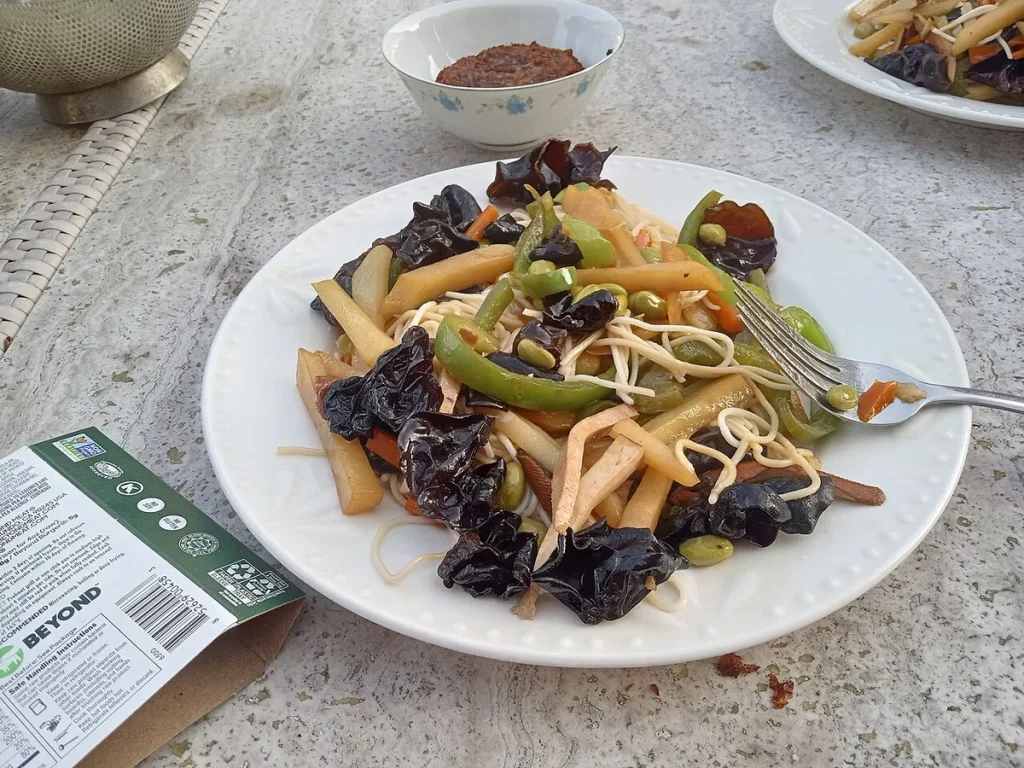

You've probably seen those little packets in the grocery store, or maybe you've even picked one up, wondering if it's the secret shortcut to amazing noodle dishes. Figuring out "what is chow mein mix" really boils down to understanding the shortcuts available and what you trade for speed. As someone who's spent a fair bit of time in the kitchen, both with and without shortcuts, I can tell you it's a bit of a mixed bag, and understanding what"chow mein mix" truly means is key to making tasty stir-fries.
At its heart, a chow mein mix is typically a blend of seasonings, and sometimes dried vegetables, designed to impart that classic chow mein flavor without you having to measure out a lot of individual ingredients. Think soy sauce, something for sweetness and tang, maybe a hint of garlic and ginger, and often MSG for that savory punch. Manufacturer specifications for many popular brands indicate sodium levels can range from 300mg to over 600mg per serving, so it's worth checking those labels. Now, let’s break down what you’re really getting.
Store-Bought Packets vs. Homemade Sauces: Understanding the Difference
When you’re faced with a "chow mein mix," you're usually looking at one of two main paths: the convenience of a pre-packaged seasoning blend or the flavor control of a homemade sauce. Each has its place, and knowing the distinction helps you pick the right tool for your noodle dish.
The pre-packaged option is designed for ultimate speed. You rip open the foil or plastic packet, toss it into your wok with your noodles and veggies, and stir-fry. It offers a predictable outcome, which can be a lifesaver on busy weeknights.
On the other hand, making your own "mix" involves combining individual sauces and seasonings. This approach gives you absolute command over the ingredients and flavor profile, allowing for a far more nuanced and customized dish. It transforms your chow mein from a basic meal to something truly special, tailored exactly to your preferences.
The Convenience of Pre-Packaged Chow Mein Mix: Pros and Cons
Those little packets are popular for a reason, they promise a quick and easy path to a familiar flavor. Aggregate user reviews consistently point to speed as the primary benefit.
Speed and Accessibility
The biggest draw of pre-packaged chow mein mix is undeniable speed. You're bypassing the need to measure and combine multiple ingredients, saving precious minutes when time is tight. These mixes are widely available in most major grocery stores, making them an easy grab during your regular shopping trip.
Flavor Profile Limitations
While convenient, these mixes often deliver a fairly basic, one-size-fits-all flavor. Editorial analysis of several popular brands suggests they tend to be heavy on salt and sugar, which can mask subtler notes of garlic, ginger, or other aromatics. They might hit the basic chow mein notes, but rarely offer the complexity you find in restaurant-quality dishes or well-made homemade versions.
Sodium and Ingredient Concerns
This is where a closer look at labels becomes crucial. Manufacturer specifications will show that pre-packaged chow mein mixes can be sodium powerhouses. A single serving can contribute a significant portion of your daily recommended sodium intake, which is around 2,300 milligrams per day according to the U.S. Food and Drug Administration.
Beyond sodium, some mixes may contain artificial flavors, colors, or fillers that diligent cooks prefer to avoid.
Crafting Your Own Chow Mein Flavor Base: The Power of Control
Moving beyond the pre-packaged options, creating your own chow mein sauce allows for a level of customization and quality that’s hard to match. This approach puts you firmly in the driver's seat when it comes to taste and ingredients.
Tailoring Flavor to Your Taste
When you make your own, you become the flavor architect. Want a spicier kick? Add more chili flakes or a dash of sriracha. Prefer it tangier?
A splash of rice vinegar can do the trick. You can adjust the sweetness, the saltiness, and enhance the savory umami notes with ingredients like mushroom powder or fish sauce, all to your exact liking.
Managing Sodium and Ingredients
This is a major advantage for health-conscious cooks. By controlling the amount of soy sauce or other salty bases you use, you have direct control over the sodium content. Furthermore, you choose the quality of your ingredients. Opting for low-sodium soy sauce, fresh garlic, and pungent ginger means you know exactly what’s going into your food, avoiding any potential allergens or unwanted additives.
Ingredient Staples for Homemade Sauce
To get started with your own chow mein sauce, you don't need a pantry full of obscure items. A good mix typically starts with a base of soy sauce (or tamari for gluten-free), a touch of sweetness from sugar or honey, some acidity from rice vinegar, and aromatics like minced garlic and grated ginger. Oyster sauce, while not vegetarian, adds a deep umami richness that’s classic in many chow mein recipes.
Ready-Made Mix vs. DIY Sauce: A Side-by-Side Look
When deciding between convenience and customization, it helps to see how they stack up. Pre-packaged mixes offer speed but often compromise on flavor depth and ingredient control. Homemade sauces require a bit more prep time but deliver superior taste and customizable nutrition. As of 2026, the market continues to offer both, catering to different cooking needs and preferences.
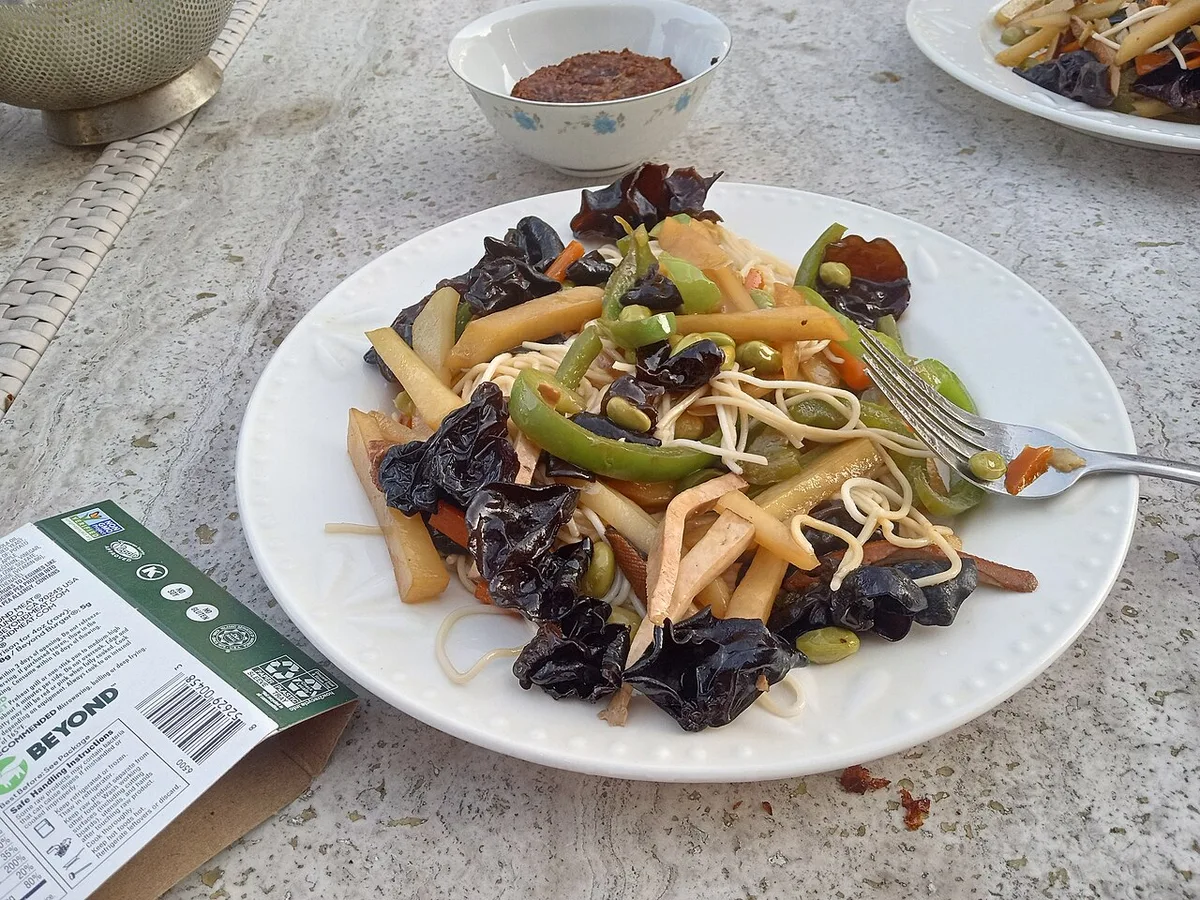
| Feature | Pre-Packaged Chow Mein Mix | Homemade Chow Mein Flavor Base |
|---|---|---|
| Convenience | Very High | Medium |
| Flavor Depth | Basic to Moderate | High to Complex |
| Sodium Control | Low (high by default) | High (user-controlled) |
| Customization | Limited | High |
| Ingredient Quality | Variable; may contain additives | User-selected; fresh ingredients |
| Prep Time | Very Fast | Moderate |
| Cost per serving | Often low | Variable, but can be cost-effective |
Who Is Chow Mein Mix Best For?
Understanding your own cooking style and priorities is crucial when deciding if a chow mein mix is right for you. It really comes down to a trade-off between time and true flavor.
The Time-Crunched Cook
If you’re often scrambling to get dinner on the table after a long day, a pre-packaged chow mein mix can be a genuine lifesaver. It significantly cuts down on prep and cooking time, providing a quick and generally satisfying noodle dish with minimal effort. This is the perfect audience for those moments when expediency trumps culinary exploration, delivering a familiar taste with very little fuss.
The Flavor Explorer
On the other hand, if you find joy in experimenting with flavors and enjoy building dishes from scratch, making your own chow mein sauce is the way to go. This approach isn't just about a meal; it's about the process of creation and achieving a taste that's uniquely yours. It’s for the cook who values the depth of well-balanced, fresh ingredients and wants their noodles to sing with personalized flavor.
Common Mistakes When Using Chow Mein Mix (and How to Fix Them)
Even with the convenience of pre-packaged mixes, it's easy to stumble into a few pitfalls that can make your chow mein less than ideal. Pay attention to these common errors to ensure your dish turns out great, whether you’re using a packet or your own sauce.
Overcrowding the Wok?
When you throw in too much at once, your ingredients steam instead of stir-fry. This is especially true if you're adding raw protein and dense vegetables. Keep batches small for even cooking and that desirable slightly crisp texture.
Not Prepping Everything First
Stir-frying happens fast. If you're scrambling to chop onions or open a can while the noodles are burning, your dish will suffer. Have all your vegetables washed and cut, your protein sliced, and your sauce mixed before you even turn on the heat.
Undercooking or Overcooking Noodles
Noodles can go from perfectly al dente to mushy in seconds. Manufacturer recommendations for boiling times on dried chow mein noodles are a good starting point, but they often need to be slightly undercooked if they’re going back into a hot pan for stir-frying. Aim for a firm bite.
Making the Choice: When to Reach for a Packet and When to Make Your Own
Deciding between a pre-packaged chow mein mix and crafting your own sauce comes down to what you value most in your cooking: speed or a tailored flavor experience. There’s no single right answer, as both have their rightful place.
If your primary goal is getting a quick and decent meal on the table with minimal fuss, a pre-packaged mix is your best friend. It’s designed for simplicity and accessibility, providing a recognizable flavor profile with very little kitchen effort. This is ideal for busy weeknights or when you’re just starting out with stir-fries.
However, if you have a bit more time and a desire for nuanced, delicious flavors, making your own sauce offers unparalleled control. You can dial in the perfect balance of salty, sweet, sour, and savory notes, and you choose exactly what goes into it. This approach is perfect for those who enjoy culinary creativity and want to elevate their noodle dishes beyond the ordinary.
When Does a Packet Make More Sense?
There are specific scenarios where opting for a store-bought chow mein mix is entirely the practical choice. It's not about being lazy; it's about efficiency when it matters most.
- Extreme Time Constraints: If you have literally 15-20 minutes from start to finish, a packet is likely your only realistic option for a stir-fried noodle dish.
- Limited Pantry Staples: If your spice rack and sauce collection are bare, a single packet brings a whole flavor profile to the table instantly.
- Beginner Cook: For someone completely new to stir-frying, a mix can provide a foolproof flavor base while they learn the cooking techniques.
When to Ditch the Packet for DIY
The rewards for making your own chow mein sauce are significant, particularly in terms of flavor, health, and culinary satisfaction. Aggregate feedback from cooking forums and enthusiast sites indicates a strong preference for homemade sauces among experienced cooks.
- Seeking Deeper Flavors: If you crave that complex, restaurant-style taste that’s more than just salty, DIY is essential.
- Managing Sodium Intake: For those watching their sodium, making your own allows precise control over salt levels, vital for dietary needs.
- Dietary Restrictions: When you need to avoid gluten, specific allergens, or artificial ingredients, you control every component.
- Exploring Regional Variations: Different regions have distinctive chow mein flavors. A homemade sauce lets you replicate or adapt these more authentically.
Expert Tips for Better Chow Mein Flavor, Mix or No Mix
Regardless of whether you lean on a packet or whip up your own sauce, a few key techniques can elevate your chow mein from good to great. These tips focus on maximizing flavor and texture, making every bite more enjoyable.
The Magic of Fresh Aromatics
Even if you use a pre-made mix, don't skip the fresh garlic and ginger. Minced garlic and grated ginger, added to the hot oil just before your main ingredients, release an incredible aroma and depth of flavor that no dried powder can replicate. Add them for about 30 seconds until fragrant, don't let them burn.
Don't Fear the Wok Hei
"Wok hei" is that elusive smoky char from a properly hot wok. Achieving it means your wok needs to be blazing hot before you add ingredients, and you shouldn't overcrowd it. Let your ingredients sear and caramelize slightly, rather than just steam. A good cast-iron wok can help retain heat exceptionally well.
The Power of a Finishing Touch
A final drizzle of toasted sesame oil right at the end, or a sprinkle of chopped fresh scallions or cilantro, can make a huge difference. These finishing touches add bright, fresh notes that cut through the richness of the sauce and add visual appeal. They also add a delightful textural contrast that completes the dish.