Ever wonder what gives so many of your favorite foods that particular zing? If you’ve eyed ingredient lists and seen “citric acid” pop up, you’re not alone. Understanding what this common compound is and where it’s found can really help you decode your pantry and appreciate how your food is made. From the bright tang of a lemon to the long shelf life of jams, citric acid is a busy little molecule.
In our research, we found that citric acid is a weak organic acid, acting as a natural preservative and flavor enhancer. For instance, manufacturer specifications for food-grade citric acid often cite its purity at a minimum of 99.5%, according to standards such as FCC (Food Chemicals Codex). Let's dive into what this means for the foods you eat every day and explore what is citric acid found in foods.
What Citric Acid Is and Where It Comes From
Citric acid is a weak organic acid recognized for its distinct sour taste. It's naturally present in many fruits, particularly citrus varieties like lemons and limes, contributing significantly to their tartness. Beyond its flavor impact, citric acid plays a crucial role as a food additive, functioning as a preservative, antioxidant, and pH adjuster. Commercially, it's typically produced through a microbial fermentation process using specific strains, most commonly Aspergillus niger mold, fed on a carbohydrate source.
This process yields a food-grade citric acid that meets strict purity standards, ensuring its safety and efficacy in a wide range of food applications.
Citric Acid's Role in Food: More Than Just Sour
Citric acid is a multifaceted ingredient in food production, going far beyond just adding a sour note. Its chemical properties make it incredibly useful for extending shelf life, enhancing the taste of other ingredients, and improving the overall texture and stability of many food items. Think of it as a natural multitasker that chefs and food scientists rely on to make products both appealing and last longer on the shelf.
Natural Sources of Citric Acid
You’ll find citric acid naturally occurring in a surprising number of foods, though its concentration varies greatly. The most famous sources are, of course, citrus fruits. Lemons pack a significant punch, followed closely by limes and grapefruits. Oranges also contain citric acid, but typically in lower amounts than their more tart cousins.
But it’s not just about lemons and limes. Many berries, like strawberries and raspberries, have citric acid that contributes to their bright, sharp flavors. Tomatoes also contain this versatile acid, which helps balance their savory notes. Even some less obvious items like pineapples and certain types of mushrooms can have small natural quantities, adding subtle complexities to their taste profiles.
Commercial Citric Acid: How It's Made and Added
While nature provides plenty of citric acid, much of what you see on ingredient labels is commercially produced. The most common method involves fermenting a sugar-rich substrate, such as molasses or corn starch, with a specific strain of mold, Aspergillus niger. This process is highly controlled to ensure the purity and quality of the resulting citric acid.
Food-grade citric acid is then carefully added to a vast array of products. It's used to sharpen flavors in candies and beverages, prevent spoilage in jams and preserves by inhibiting microbial growth, and even helps keep cut fruits from browning by acting as an antioxidant. Its ability to adjust pH also makes it valuable for creating stable emulsions in products like salad dressings and ice cream.
Tasting Citric Acid: Flavor and Function
The primary sensory characteristic of citric acid is its sourness. It’s this tart, tangy quality that makes it so popular in confectionery and drinks. However, its function is often more nuanced. When added to processed foods, it can balance out sweetness, making a product taste less cloying and more refreshing.
For example, in a can of fizzy soda, citric acid brightens the overall flavor profile, preventing it from tasting flat. In jams and jellies, it not only adds a pleasant tang but also works with pectin to help them set properly. Its antioxidant properties are also key; they prevent undesirable oxidation that can lead to off-flavors and color changes, ensuring the product remains appealing from production to its "best by" date as of 2026.
Key Differences: Citric Acid vs. Tartaric Acid
While both citric acid and tartaric acid are organic acids commonly found in foods and used as food additives, they originate from different sources and can have subtle differences in taste and application. Tartaric acid is most famously associated with grapes and is a significant byproduct of winemaking, often found as crystals in wine barrels.
- Citric Acid: Primarily from citrus fruits; commonly used for tartness, preservation, and as an emulsifier. It offers a sharp, zesty taste.
- Tartaric Acid: Primarily from grapes and tamarinds; often used in baking powders as a leavening agent and for its distinct tangy flavor. It can sometimes provide a more complex tang than citric acid.
Knowing these differences helps explain why certain recipes or products might call for one over the other, even though both contribute acidity.
Citric Acid in Action: Common Food Uses
The versatility of citric acid means it's a staple ingredient across numerous food categories. Its ability to influence taste, texture, and shelf-life makes it invaluable for food manufacturers. Let's look at how it shows up in some of our everyday treats and staples.
In Candies and Sweets
When you think of sour candies, citric acid is often the star. It's what gives those gummy worms, sour belts, and hard candies their signature puckery kick. Manufacturers use it to provide a controlled burst of tartness that balances sweetness, creating a more exciting flavor experience for the consumer. It's also used in powdered candy coatings for an extra flavor punch.
In Beverages and Drinks
Think about the refreshing tang in your favorite soft drinks, lemonade, or even some fruit juices. Citric acid is a major contributor to that bright, thirst-quenching flavor. It helps to mimic the natural tartness found in fruit juices and adds a lively dimension to artificially flavored drinks. Beyond taste, it can also help stabilize beverage formulations and preserve them from spoilage, ensuring they taste fresh from the bottling plant to your glass.
In Jams, Jellies, and Preserves
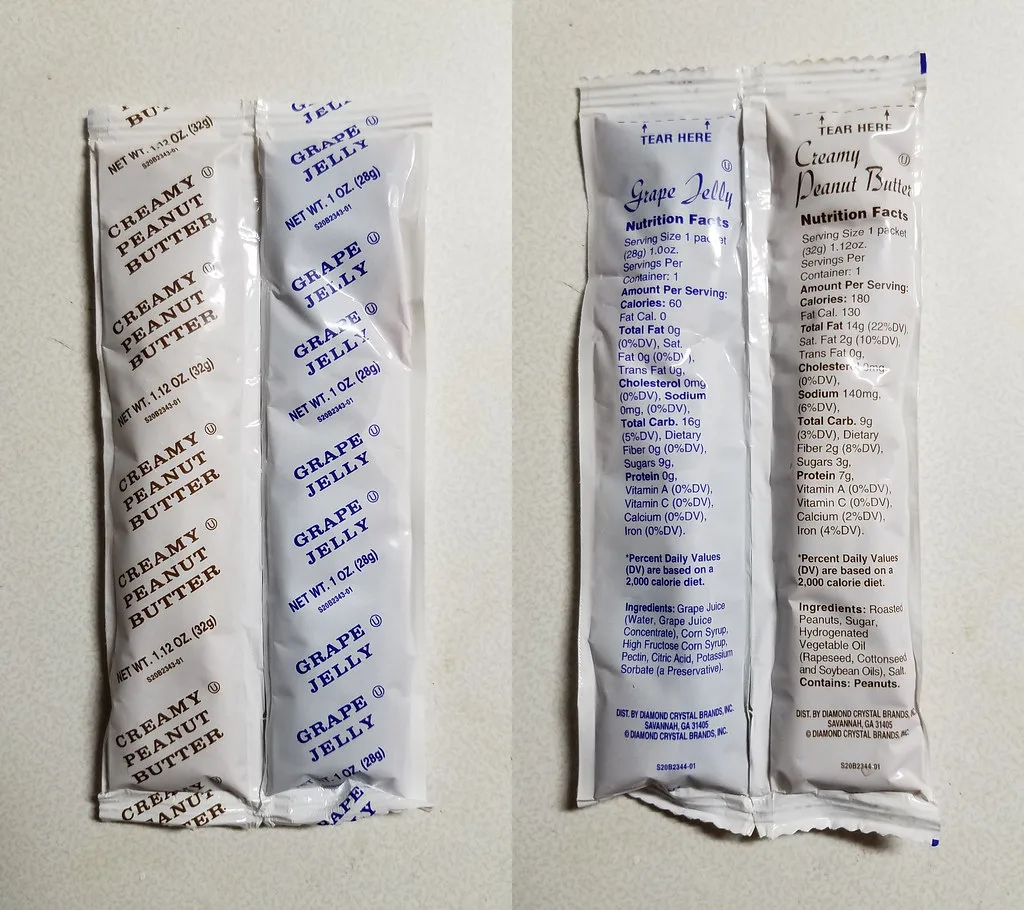
Preserving fruit is one of citric acid's long-standing roles. When making jams, jellies, and fruit preserves, citric acid does more than just add a touch of tartness to complement the fruit's sweetness. It plays a crucial role in achieving the correct pH balance, which is essential for proper gel formation when combined with pectin. This allows your preserves to set to that perfect jiggly consistency.
Furthermore, by lowering the pH, citric acid creates an environment that is less hospitable to bacteria and molds, acting as a natural preservative. This helps extend the shelf life of the product, ensuring it stays fresh and safe to eat for longer periods.