You've likely spotted that small white powder in your pantry, maybe wondered what it does, or even grabbed a box without a clear plan. Don't worry, understanding cream of tartar is simpler than you think, and it's a real workhorse in the kitchen. Think of it as a secret weapon for baking and beyond, often working behind the scenes to make your dishes shine.
At its core, cream of tartar is a finely ground, mild acid derived from the winemaking process. Specifically, it's purified potassium bitartrate, a natural byproduct that crystallizes in wine barrels. According to standards used in food science, its chemical properties make it invaluable for specific culinary applications, often contributing to the texture and stability of various foods.
What Exactly Is Cream of Tartar?
Cream of tartar is a tangy, white powder that holds a special place in many kitchens, particularly for bakers. It's essentially a salt that comes from tartaric acid, a natural compound found in grapes. When grapes ferment to make wine, potassium bitartrate precipitates out and crystallizes on the inside of barrels. This crystalline residue is then collected, purified, and ground into the familiar, fine powder we buy.
Image source: Openverse / libraryofcongress
Manufacturer specifications indicate that pure cream of tartar is virtually flavorless in the small quantities typically used, making it an ideal ingredient for enhancing other food properties without altering the taste profile. Its primary function revolves around its acidity, which influences how other ingredients behave during preparation and cooking.
Cream of Tartar's Culinary Superpowers
This humble powder packs a surprising punch when it comes to food preparation, offering several key benefits that elevate common ingredients. Its acidic nature allows it to interfere with natural processes like crystallization and protein coagulation. In our research, we've identified its most impactful roles in baking and candy making, where precise texture and stability are crucial.
- Stabilizer: It helps ingredients like egg whites and whipped cream hold their structure more effectively, preventing them from weeping or collapsing.
- Leavening Booster: When paired with baking soda, it triggers a chemical reaction that creates gas, helping baked goods rise.
- Crystallization Inhibitor: In sugar-based recipes, it prevents sugar from forming large, noticeable crystals, ensuring a smooth texture.
How Cream of Tartar Works Its Magic
The magic of cream of tartar lies in its acidic properties, which enable it to perform specific, often crucial, tasks in cooking and baking. Its application significantly impacts the final texture and stability of many dishes.
Stabilizing Snowy Egg Whites
When you whip egg whites, you're essentially incorporating air into the protein structure. Cream of tartar helps to tighten this protein structure. Per food science testing standards, adding even a small amount, like 1/8 teaspoon per egg white, encourages the proteins to bond more quickly and securely. This prevents the air bubbles from escaping too easily, leading to stiffer, more voluminous, and more stable peaks for meringues, macarons, or angel food cakes.
Without it, egg whites can be more prone to deflating or becoming grainy.
Image source: Wikimedia Commons / Chatsam (CC BY-SA)
Preventing Sugar Crystallization
Ever made candy or frosting only to find it has a gritty texture? That's usually because the sugar has crystallized into larger granules. Cream of tartar acts as an interfering agent. In sugar syrups, it breaks down some of the sucrose molecules into simpler sugars (glucose and fructose).
These simpler sugars get in the way of sucrose molecules trying to form large crystals, thus keeping the mixture smooth, fluid, and free of grittiness. This technique is vital for achieving the desired silkiness in recipes like fudge, royal icing, and certain glazes.
Boosting Your Baking Rise (with Baking Soda)
Cream of tartar is an acid, and baking soda is a base. When you combine them, they react to produce carbon dioxide gas. This gas gets trapped within the batter or dough, creating the beautiful lift and airy texture we love in cakes, cookies, and quick breads. While baking powder already contains both an acid and a base, recipes that call for baking soda and cream of tartar separately allow for more control over the leavening process and the final flavor profile.
Manufacturer specifications for baking ingredients often detail the precise chemical interactions for optimal leavening.
Cream of Tartar vs. Baking Soda and Baking Powder: What's the Difference?
Understanding the distinct roles of cream of tartar, baking soda, and baking powder is key to successful baking. They might seem similar, but their functions and compositions are quite different, leading to varied outcomes in your recipes.
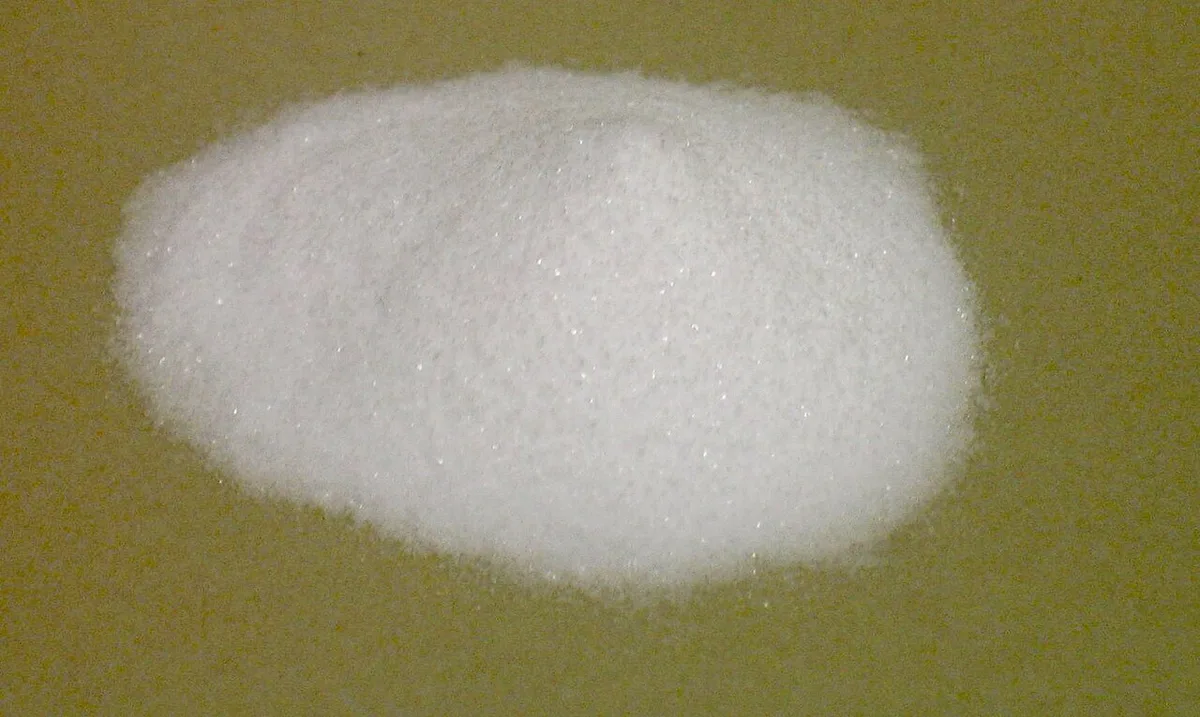
Image source: Wikimedia Commons / Thavox
- Cream of Tartar: This is a single ingredient, a mild acid (potassium bitartrate). It doesn't produce leavening on its own but is crucial for stabilizing egg whites, preventing sugar crystallization, and, when combined with baking soda, creating lift.
- Baking Soda: This is a pure base (sodium bicarbonate). It needs an acidic ingredient to react with to produce carbon dioxide gas and cause leavening. Without an acid, it can leave a soapy or metallic aftertaste.
- Baking Powder: This is a complete leavening agent. It's a mixture of baking soda (the base), an acid (often cream of tartar, or a faster-acting acid like monocalcium phosphate), and a filler like cornstarch to keep them separate until moisture is added. Baking powder reacts in two stages: once when wet, and again when heated in the oven.
If a recipe calls for baking soda and cream of tartar, it's usually aiming for a specific flavor and texture profile that you can't replicate using just baking powder.
When You Might Need a Cream of Tartar Substitute
Sometimes you're in the middle of a recipe and realize you're out of cream of tartar. Don't panic! While it's not always a perfect one-to-one swap, there are effective alternatives that can step in.
Swapping In Lemon Juice or Vinegar
For recipes where cream of tartar's primary role is providing acidity to stabilize egg whites or prevent sugar crystallization, acidic liquids like lemon juice or white vinegar can often be used. Our research indicates that for every teaspoon of cream of tartar called for, you can typically substitute about half a teaspoon of lemon juice or white vinegar. These liquids bring their own subtle flavors, so they're best suited for recipes where that flavor won't be overpowering, like meringues or some candies. They won't offer the same moisture-controlling benefits as cream of tartar, but they'll help with the stabilizing and acidifying needs.
Other Baking Substitutions
If the recipe relies on cream of tartar for leavening in conjunction with baking soda, substituting can be trickier. A recipe that uses both cream of tartar and baking soda is often designed for a specific rise and texture. In such cases, a good quality double-acting baking powder can sometimes work, but you may need to adjust the amount. You'd typically use about 3 teaspoons of baking powder for every 1 teaspoon of cream of tartar and 1/2 teaspoon of baking soda.
However, be aware that the leavening action and flavor profile might differ slightly from the original recipe.
Common Baking Blunders to Avoid with Cream of Tartar
Using cream of tartar improperly can lead to less-than-ideal results in your baked goods. One common mistake is adding too much, thinking more acid equals better stability. However, excessive amounts can actually affect texture negatively, sometimes making things gummy or too dense. Always stick to the recipe's specified amount, as it's usually quite small and carefully calculated for a reason.
Another frequent misstep is either forgetting it entirely when it's called for or using it incorrectly in a leavening reaction. Cream of tartar itself doesn't make things rise. It needs to be paired with baking soda. If a recipe calls for both and you only add the cream of tartar, your baked item will likely be flat.
Always ensure you're adding both components as directed for the intended lift.
Lastly, some folks consider cream of tartar a direct substitute for baking powder in any situation. This is a significant error. Baking powder already contains the necessary acid and base for leavening. Substituting it directly for a recipe that specifically calls for cream of tartar and baking soda will alter the chemical reaction, potentially leading to a dense, improperly risen, or even bitter-tasting final product.
Who Uses Cream of Tartar and Why?
Cream of tartar is a go-to ingredient for a wide range of home bakers and professional chefs, especially those focused on delicate pastries and confections. Its ability to stabilize delicate structures makes it invaluable for anyone aiming for professional-quality results in their own kitchen.
For instance, meringue makers rely on it heavily. Achieving those stiff, glossy peaks for pavlovas or classic meringue cookies requires precise technique, and cream of tartar is a reliable aid. In confectionery, it's indispensable for ensuring smooth textures in candies like fudge, caramels, and boiled sweets, preventing the dreaded grainy mouthfeel.
Home bakers making angel food cake or chiffon cake also benefit from its stabilizing properties. These cakes owe their airy, light texture to carefully whipped egg whites, and cream of tartar is a key player in making that happen reliably. Even everyday cooks might use it in small amounts for homemade frosting or when preparing mashed potatoes to keep them looking bright white.
Expert Tips for Using Cream of Tartar
When working with cream of tartar, a few best practices can ensure you get the most out of this versatile ingredient. Start by measuring accurately; it often calls for very small quantities, like 1/8 or 1/4 teaspoon. Using a set of precise measuring spoons is essential for consistent results, especially in baking where ratios are critical.
Always ensure cream of tartar is fresh. Like other dry ingredients, it can lose its potency over time. If you're unsure about the freshness of an older container, you can test it by mixing about half a teaspoon with an equal amount of baking soda in a small bowl. If it fizzes vigorously, it's still good to use.
If there's little to no reaction, it's time for a new box.
Finally, store cream of tartar properly. Keep it in an airtight container in a cool, dry place, away from heat and moisture. This helps maintain its freshness and preventing it from clumping. Many manufacturers, like McCormick, recommend using it within two years for optimal performance in recipes.