What Is The Minimum Temperature To Hold Cold Food?
Keeping your food safely chilled is more than just a good habit; it's a critical step in preventing serious health issues. Understanding what Is the minimum temperature to hold cold food can make a big difference in your kitchen. Getting this wrong means you could be inviting harmful bacteria to thrive on your groceries.
Our research confirms that maintaining specific cold temperatures is paramount. Per guidelines from food safety authorities, perishable foods must be kept below 40°F (4°C) to significantly slow the growth of most dangerous microorganisms. This simple number is your first line of defense against foodborne illness.
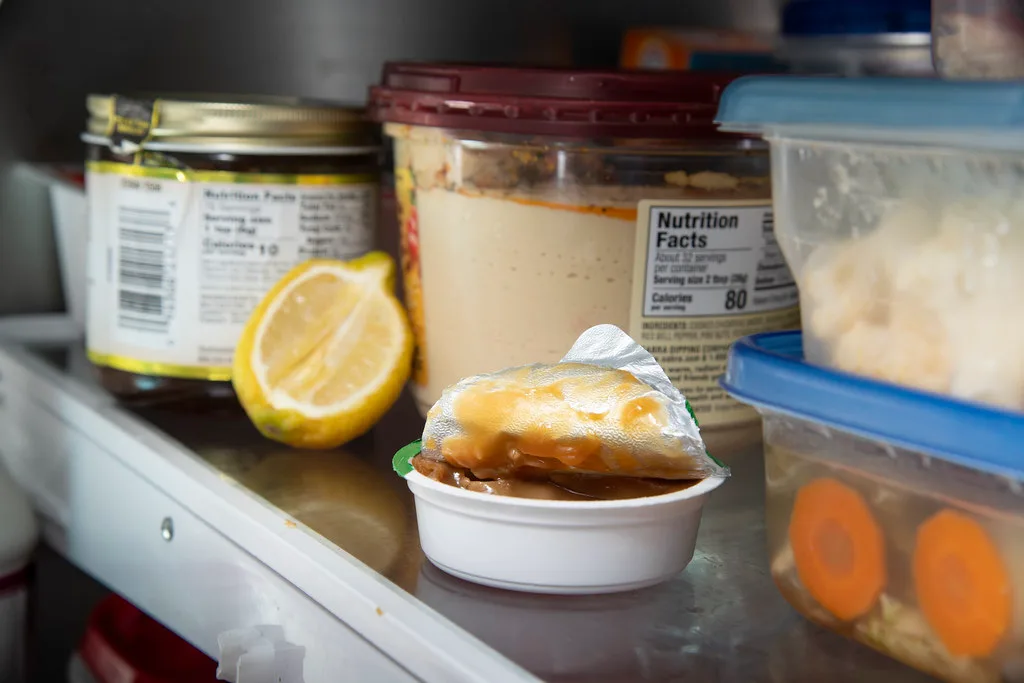
Keeping Cold Food Safe: What's the Magic Number?
So, what's the absolute minimum temperature you need to aim for to keep your cold food genuinely safe? It boils down to one key figure: 40°F (4°C) or below. This isn't just a suggestion; it's a standard recommendation from food safety experts.
When food is kept at this temperature or cooler, the growth rate of most bacteria, including common culprits like Salmonella, E. coli, and Listeria, slows down dramatically. Think of it as putting those microscopic troublemakers into a deep freeze of inactivity, preventing them from multiplying to harmful levels before you consume the food.
The "Danger Zone" and Why It Matters
The Temperature Danger Zone is the range between 40°F (4°C) and 140°F (60°C). This is the critical interval where bacteria that cause foodborne illness can multiply rapidly. It's the sweet spot for microbial growth, and that's exactly why we want to avoid it for our perishable items.
Bacteria don't need much to get going, just the right temperature and a bit of moisture. In the danger zone, they can double in number in as little as 20 minutes. This means food left out at room temperature for even a couple of hours can become unsafe to eat.
How Quickly Do Bacteria Grow?
- At 40°F (4°C): Growth is very slow.
- At 60°F (15.5°C): Growth accelerates.
- At 90°F (32°C) and above: Growth is rapid.
It's crucial to remember that even if food looks, smells, and tastes fine after being in the danger zone, it might still contain enough harmful bacteria (pathogens) to make you sick. These pathogens often don't change the sensory qualities of the food.
What's the Minimum Temperature for Safe Cold Food Storage?
As established, the universally recommended minimum temperature for safe cold food storage in your refrigerator is 40°F (4°C) or below. Manufacturer specifications for most residential refrigerators aim to maintain this temperature range, though accuracy can vary.
It’s more than just a number; it’s about creating an environment that actively inhibits microbial proliferation. Keeping your refrigerator set at 40°F or slightly lower ensures that this crucial barrier against spoilage and illness is consistently in place.
Why "At or Below" is Key
- It's a Margin of Safety: Home refrigerators can fluctuate. Setting the dial to 40°F or below provides a buffer, ensuring that even if the temperature creeps up slightly in certain areas, it remains below the unsafe threshold.
- Think of Your Fridge's Quirks: Different zones within your refrigerator can have varying temperatures. The door, for instance, is typically warmer than the back or bottom shelves. A cooler set point compensates for these variations, protecting the most vulnerable foods.
- When You Open the Door: Every time the door is opened, warmer ambient air enters the appliance. A colder initial temperature means it takes longer for the internal temperature to rise into the hazardous range, offering a more robust safety net.
This "at or below" principle is also why prompt refrigeration after purchasing groceries or preparing food is so vital.
The "Four-Hour Rule" for Food Left Out
You might have heard of the "four-hour rule" in food safety discussions. This guideline, which applies to perishable food left in the Temperature Danger Zone (40°F to 140°F), is a key safety measure.
It essentially states that perishable food should not be left out in this temperature range for more than a cumulative total of four hours. If food has been in the danger zone for four hours or more, it's generally recommended to discard it, even if it appears to be perfectly fine.
Key Points of the Four-Hour Rule:
- Cumulative Time: This counts any time the food spends in the danger zone, not just a single continuous period.
- From Preparation to Consumption/Refrigeration: It applies from the moment food is removed from safe hot or cold holding temperatures.
- When in Doubt, Throw It Out: This rule prioritizes safety over salvaging potentially contaminated food.
This rule is particularly important for foods like cooked meats, dairy products, prepared salads, and cut fruits and vegetables that require consistent cold temperatures to remain safe.
Practical Tips to Keep Your Cold Food Safe
Maintaining the 40°F (4°C) or below standard in your refrigerator requires a bit of attention. Here are some actionable tips that leverage current food safety research and best practices to ensure your cold food stays safe and fresh.
Invest in a Fridge Thermometer
Don't rely solely on the temperature dial on your refrigerator door; these are often imprecise. An independent refrigerator thermometer, preferably digital for easy reading, provides an accurate measurement of the actual internal temperature. Place it in a central location where it will give a representative reading of the overall temperature. Our research indicates that using a dedicated thermometer can help you identify and correct temperature deviations you might otherwise miss, ensuring the safety of your stored perishables.
Keep It Full (But Not Too Full)
A refrigerator's ability to maintain a consistent cold temperature is linked to its contents. A refrigerator that is about two-thirds full tends to hold its cold temperature better than an empty one because the mass of the food helps to stabilize the internal climate. However, overpacking can obstruct airflow, creating warmer spots and hindering the circulation of cold air. This uneven cooling means some areas of the fridge might drift into the Temperature Danger Zone.
Cool Hot Foods Quickly
Placing large amounts of steaming hot food directly into the refrigerator can significantly raise the appliance's internal temperature, potentially pushing other foods into the danger zone. To avoid this, allow hot foods to cool down somewhat at room temperature for no more than an hour before refrigerating. For larger batches, divide the food into smaller, shallow containers. This increases the surface area, allowing the food to cool down much faster in the refrigerator, preserving its safety and quality.
Check Your Freezer Too
While our primary focus is on cold food in the refrigerator, your freezer plays a vital role in long-term food preservation. The standard for a safe and effective freezer is 0°F (-18°C) or below. At this temperature, bacterial growth is halted completely, effectively preserving food for extended periods without spoilage. Ensuring your freezer is set correctly complements your refrigerator's role in a comprehensive food safety strategy.