
What makes a sausage truly "Andouille"? It’s more than just a spicy kick; it's a specific tradition, a blend of ingredients, and a smoking technique that sets it apart from its sausage cousins. If you've ever wondered what gives this Louisiana staple its deep, smoky flavor and satisfying bite, you're in the right place. We're breaking down exactly what goes into making authentic Andouille sausage.
In our research, we found that while pork is the dominant meat, some traditional recipes might incorporate a small amount of beef. Crucially, the distinct smoky character isn't just from the spices; it comes from a specific, slow smoking process. Per industry standards for cured meats, Andouille must undergo a thorough curing and smoking process to achieve its signature profile and shelf stability, typically requiring longer smoking times than other sausages.
What Makes Andouille Sausage, Andouille?
The magic of Andouille sausage lies in its carefully guarded combination of ingredients and, perhaps more importantly, its robust smoking process. It’s not just about throwing spices into ground pork; it’s about a culinary heritage passed down through generations. Authenticity often hinges on specific preparation methods that yield that unmistakable flavor.
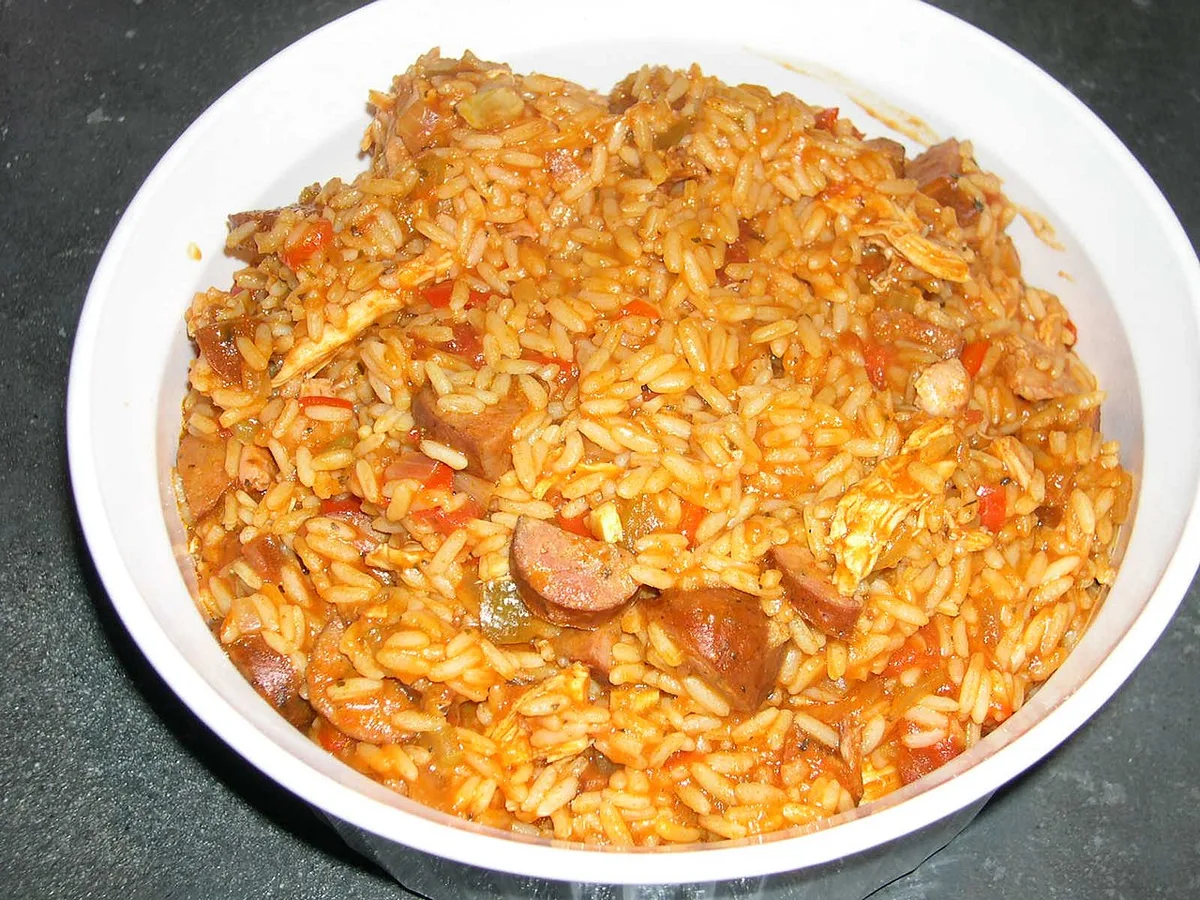
Image source: Wikimedia Commons / Jessica Rossi (CC BY-SA)
This sausage carries a history rooted in French charcuterie, but it truly found its soul in the Cajun and Creole kitchens of Louisiana. The result is a coarse, intensely flavorful sausage that forms the backbone of many iconic dishes. When you’re looking for that authentic Louisiana experience, real Andouille is key.
Quick Answer: The Heart of Andouille
At its core, Andouille sausage is a smoked, cured pork sausage seasoned heavily with black pepper, garlic, and often cayenne pepper for heat. Its defining characteristic is the intense, slow smoking process, traditionally over hardwood like pecan or hickory, which imparts a deep smoky flavor and aroma that no other sausage quite replicates.
This isn't your breakfast sausage; Andouille is a robust, savory link meant to stand up to long cooking times in hearty dishes. It adds complexity, a touch of heat, and that irreplaceable smoky depth. Think of it as the flavor engine for dishes like gumbo and jambalaya.
Core Explanation: Pork, Smoke, and Spice
The foundation of Andouille sausage is its meat. Predominantly, you'll find it made from pork, specifically fattier cuts like pork shoulder, which are essential for moisture and flavor. Some very traditional recipes might allow for a small percentage of beef to be mixed in, but pork is the star.
The spices are where Andouille really earns its reputation. Peppercorns, both black and white, são cruciais, alongside generous amounts of garlic powder and onion powder. Heat comes from cayenne pepper, and other seasonings might include paprika, marjoram, and sometimes a touch of thyme or bay leaf, though these are less common. These spices are ground coarsely, giving the sausage a distinct texture.
Features: What's Actually Inside
Getting into the nitty-gritty, Andouille’s composition reveals why it tastes and feels the way it does. It’s a simple formula, but the execution is what makes it special.
The Meats: Pork is King
The primary meat in Andouille sausage is pork. Our research indicates that pork shoulder is the preferred cut due to its ideal fat-to-lean ratio, typically around 70% lean meat to 30% fat. This fat content is crucial; it prevents the sausage from drying out during the long smoking process and ensures a tender, juicy finished product.
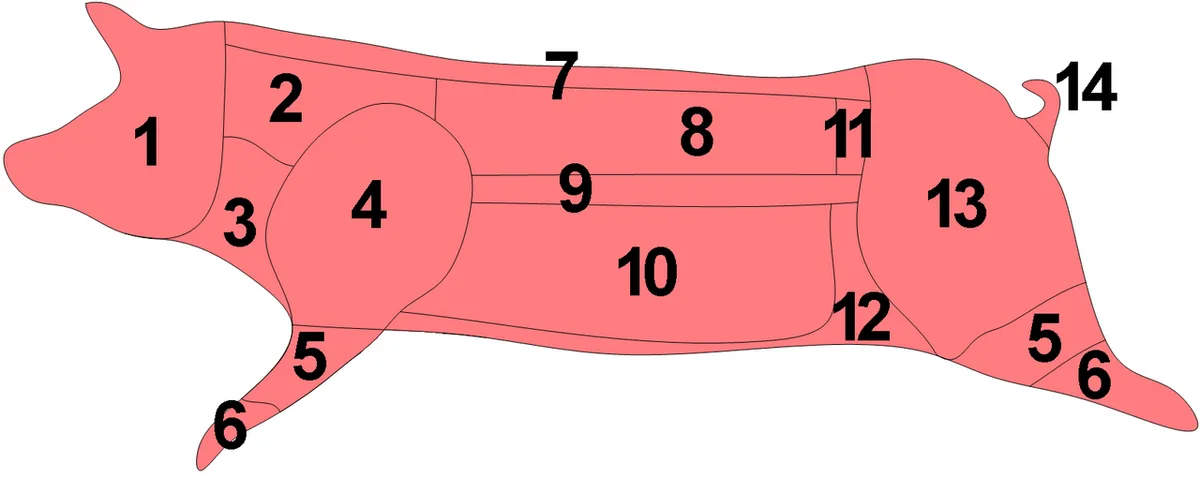
Image source: Wikimedia Commons / Kpalion (CC BY-SA)
While pork is the undisputed champion, some very old-school recipes might include a small amount of beef, perhaps up to 20%. This inclusion is rare in modern commercial production and is typically reserved for those seeking the most authentic, historical preparation. The goal is always a rich, pork-forward flavor.
The Grind: Coarse and Chewy
Unlike the finely ground texture of some other sausages, Andouille is characterized by a coarse grind. This means the meat and fat are not processed into a paste but are left in noticeable, distinct pieces. When you bite into genuine Andouille, you should feel the texture of the meat and fat chunks.
This coarse grind contributes to its characteristic chewiness and mouthfeel. It also allows the smoke and seasonings to penetrate the meat more effectively during the curing and smoking stages, leading to a more complex flavor profile throughout the sausage. This texture is a key identifier for traditional Andouille.
The Seasonings: That Kick You Know
The spice blend for Andouille is robust and meant to complement, not overpower, the smoky pork flavor. Black pepper is paramount, often used in both coarse and finely ground forms. Garlic is another non-negotiable, typically appearing as garlic powder or dehydrated garlic granules.
Cayenne pepper provides the signature heat, but the level can vary significantly. Some producers aim for a mild warmth, while others offer a fiery punch. Other common additions include onion powder, paprika for color and a mild sweetness, and sometimes a hint of marjoram for an earthy note. Acidity is often introduced with a touch of vinegar or lactic acid cultures during curing.
The Smoke: The Defining Difference
This is where Andouille truly separates itself. While many sausages are smoked, Andouille undergoes an intensive, long, low-temperature smoking process. Manufacturers' specifications often call for smoking at temperatures between 150°F (65.5°C) and 180°F (82°C) for extended periods, sometimes up to 12-18 hours.
The type of wood used for smoking is also critical. Traditionally, pecan wood is favored in Louisiana due to its availability and distinctive smoky flavor, though hickory is also commonly used. This slow smoking process not only imbues the sausage with a deep, rich smoky aroma and taste but also plays a vital role in curing and preserving the meat. It's this prolonged exposure to smoke that gives Andouille its dark color and its signature character.
Benefits: Why It's a Kitchen Star
Andouille sausage brings a lot to the table, making it a beloved ingredient for cooks serious about flavor. Its primary benefit is that unique, profoundly smoky taste that's hard to replicate with other sausages. This flavor profile forms the essential base for many classic Cajun and Creole dishes, giving them their signature character.
Beyond the smoke, it adds a satisfying, savory depth and a pleasant heat that can be adjusted by your spice choices. Its coarse texture also provides a substantial bite, making dishes feel more hearty and complete. Versatility is another huge plus; it’s not limited to one type of meal and can elevate everything from soups and stews to breakfast scrambles.
Drawbacks: When It Might Miss the Mark
While Andouille is fantastic, it's not always the right choice for every situation, and there are a few potential downsides to consider. The most significant is its strong, dominant flavor. If you're aiming for a subtler sausage note in a dish, a less intensely smoked option might be better.
Its inherent spiciness can also be a drawback for those sensitive to heat. While spice levels vary by producer, most Andouille carries a noticeable kick. Finally, authentic Andouille can sometimes be more expensive and harder to find than more common smoked sausages, especially if you're not in a region with strong Cajun or Creole culinary influence.
Common Andouille Mistakes to Avoid
Cooking with Andouille is generally forgiving, but a few common missteps can prevent you from unlocking its full potential. One of the biggest errors is trying to achieve flavor by simply browning it quickly. Andouille is already cooked and smoked; its primary purpose is to infuse flavor, not to be the main protein cooked from raw.
Another mistake is not rendering its fat properly. Slicing Andouille and cooking it in a pan allows a significant amount of its flavorful fat to render out, which can then be used to cook other ingredients, like vegetables for a gumbo or jambalaya. Cutting it too small can also make it disappear into dishes, reducing its textural and flavor impact.
Andouille vs. Other Smoked Sausages
Understanding what makes Andouille unique means looking at how it compares to other popular smoked sausages. While many share a smoky characteristic, the nuances of meat, spice, grind, and smoking process set them apart.
Andouille vs. Kielbasa
Kielbasa, a Polish sausage, is also smoked and often features garlic. However, kielbasa typically has a finer grind, a less aggressive spice profile, and a less pronounced smoky flavor compared to Andouille. While both are great for heartier meals, kielbasa tends to be milder and less peppery.
Andouille vs. Italian Sausage
This is a more significant contrast. Italian sausage, whether fresh or smoked, is defined by its Italian herbs, primarily fennel and garlic, and a brighter, often milder flavor. It's generally not smoked for as long or as intensely as Andouille, and its spice blend is entirely different. Andouille’s smoke and pepper are its defining characteristics, while fennel and Italian herbs define Italian sausage.
Best Dishes for Andouille Sausage
Andouille sausage truly shines when it's placed at the heart of dishes that can handle its bold flavor. Its smoky, spicy, savory profile makes it an indispensable ingredient in many classic Southern cuisines.
Gumbo and Jambalaya Essentials
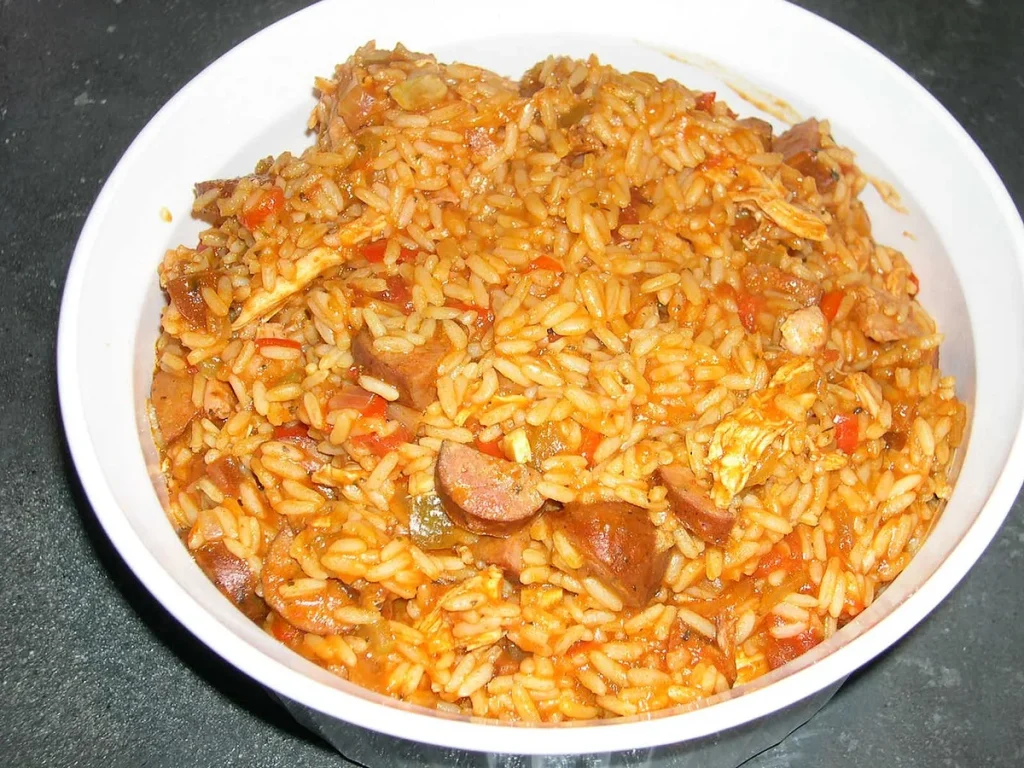
You simply can't talk about authentic gumbo or jambalaya without mentioning Andouille. In gumbo, it's often one of the foundational meats, providing a deep smoky base alongside chicken or seafood. For jambalaya, it's typically diced and browned to release its flavorful fat, which then seasons the rice and other ingredients.
Beyond the Classics: Other Great Uses
Don't limit yourself to the iconic Louisiana duos. Andouille is fantastic sliced and grilled to serve as a standalone appetizer with a tangy mustard dipping sauce. It can be added to potato salads, baked beans, or even chopped into omelets and frittatas for a smoky, spicy breakfast. It also works wonderfully in pasta dishes or simply served with a side of rice and collard greens.
Expert Tips for Using Andouille
To really make Andouille shine in your cooking, a few pro tips can make a big difference. First off, think about slicing it. For dishes like gumbo or jambalaya, slicing it into ¼-inch to ½-inch rounds and then browning them in a dry pan is ideal. This process allows the flavorful fat to render out, creating a rich base for sautéing your aromatic vegetables, known as the "trinity" in Cajun cooking.
Don't discard that rendered fat! It’s liquid gold for building flavor in your dishes. Use it to cook your onions, bell peppers, and celery, or to toast your flour for a roux. If you're grilling Andouille, aim for medium heat and don't overcook it; it’s already fully cooked, so you’re just warming it through and achieving a nice char.
Always taste a small piece before adding too much extra salt to your dish, as Andouille itself can be quite salty.
Where Does Real Andouille Come From?
The heartland of authentic Andouille sausage is undeniably Louisiana, specifically the Acadiana region known for its vibrant Cajun culture. It's here that the sausage evolved from French charcuterie into the smoky, peppery icon we know today. While you can find Andouille-style sausages in many places, true Louisiana Andouille is crafted with distinct traditions and ingredients.
The flavor profile and smoking method are crucial to its identity. Many producers in Louisiana pride themselves on using traditional smoking techniques, often over pecan wood, which imparts a subtle, unique sweetness to the smoke. If you're seeking the most authentic experience, look for sausages explicitly labeled as "Louisiana Andouille" or those from reputable Cajun butchers, as of 2026. These often adhere more closely to the original methods.