
Ever wondered about that peppery green that’s become a staple in so many dishes? You're not alone. This vibrant leaf adds a distinct zing, transforming simple salads and pizzas into something special. So, what exactly is arugula?
It's a cruciferous vegetable, known scientifically as Eruca vesicaria, that brings a unique flavor profile and a host of culinary possibilities to your table.
Our research confirms that arugula has gained significant popularity in recent decades, with availability increasing across most major grocery chains worldwide. As of 2026, it's commonly found year-round in produce sections, offering a convenient way to add both flavor and nutrients to everyday meals. Let’s dive into what makes this peppery green so remarkable.
Arugula's Distinctive Look and Zingy Flavor
When we talk about arugula, we're not just talking about any old leafy green. It’s got a personality all its own, primarily defined by its appearance and unique taste. Understanding these core characteristics is the first step to appreciating why it’s used the way it is.
What Arugula Leaves Look Like
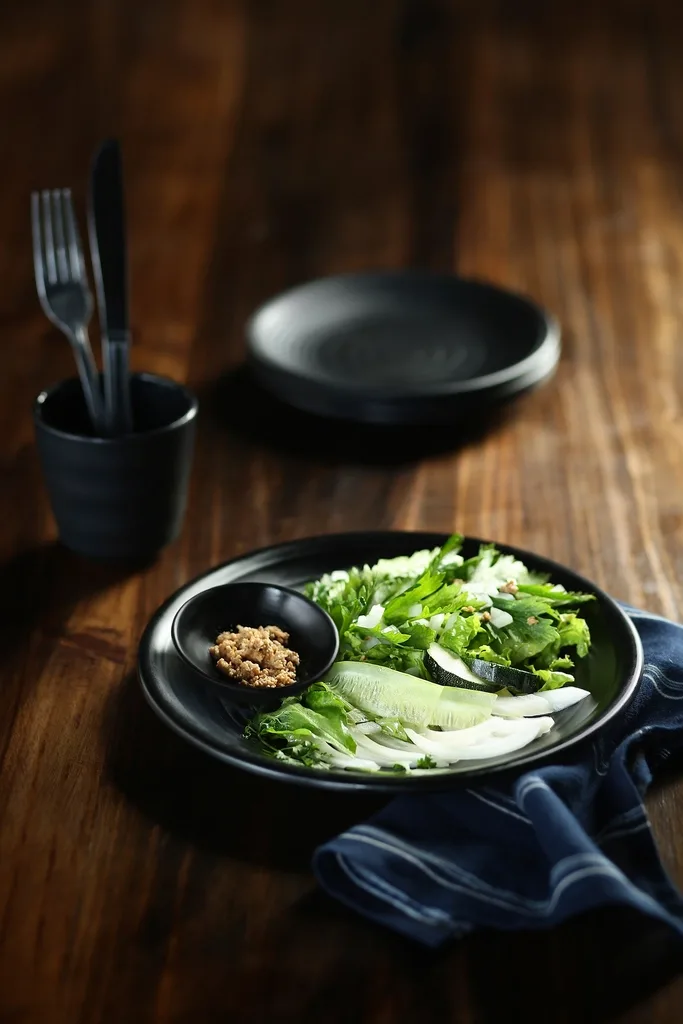
Arugula leaves are usually recognizable by their distinct shape. They tend to be long and somewhat lobed, with edges that can be either smooth or a bit jagged. Think of them as having a somewhat feathery or dandelion-like appearance, but with a more structured form. The color is typically a lively, bright green, sometimes showing subtle purple veins that hint at its bold flavor.
This shape and color make it stand out in a mixed green salad.
What It Tastes Like: Beyond Just "Green"
The defining characteristic of arugula is its flavor. It’s not at all bland; instead, it delivers a pleasant, peppery kick. This taste comes from compounds called glucosinolates, which are also found in other cruciferous vegetables. The flavor can range from mildly peppery to quite assertive, depending on the variety and growing conditions.
It also has a slight bitterness that complements the peppery notes, creating a complex taste that’s both refreshing and stimulating.
Is Arugula a Cruciferous Vegetable?
Yes, arugula is indeed a cruciferous vegetable. This means it belongs to the Brassicaceae family, a group that includes well-known produce like broccoli, cauliflower, cabbage, kale, and Brussels sprouts. This classification is significant because plants in the cruciferous family often share similar nutritional profiles and certain compounds that contribute to their distinct flavors and potential health benefits. Their genetic makeup links them, and arugula shares in this botanical heritage.
Where Does Arugula Come From?
Arugula has deep roots in a very specific part of the world, and its origins help explain its culinary popularity. It hails from the Mediterranean region, an area celebrated for its vibrant cuisine and fresh ingredients. Historically, people in places like Italy, Greece, and parts of North Africa have utilized arugula for its distinctive taste. This warm, sunny climate is ideal for growing these peppery leaves, which is why it became a natural fit for the fresh, bold flavors characteristic of Mediterranean cooking.
How to Use Arugula in Your Cooking
Arugula's flavor profile makes it incredibly versatile in the kitchen. It’s not a one-trick pony; it can elevate a variety of dishes, from simple snacks to more elaborate meals. Its peppery bite can cut through richness, balance sweetness, and add an exciting dimension that many other greens simply can't match.
Arugula's Starring Role in Salads
This is where arugula truly shines and is most commonly found. Its peppery flavor is a fantastic counterpoint to milder greens, adding complexity to any salad mix. Toss it with classic vinaigrettes, or try combinations with ingredients like roasted vegetables (like beets or sweet potatoes), creamy cheeses (goat cheese or mozzarella), nuts (like walnuts or pine nuts), and fruits (figs or pears). It’s especially good with heartier fare, such as grilled chicken, steak, or fish, where its sharp flavor can cut through savory richness.
Beyond Salads: Toppings and More
Don't limit yourself to salads! Arugula makes a fantastic topping for many dishes. After a pizza comes out of the oven, a generous pile of fresh arugula transforms it, wilting slightly to offer its characteristic peppery notes without becoming soggy. It’s also wonderful layered into sandwiches and paninis, offering a fresh crunch and zest that elevates simple fillings.
Think of it as a flavorful alternative to lettuce on your favorite sandwich.
Making Arugula Pesto: A Flavor Bomb
For those looking to explore beyond the usual, arugula pesto is a revelation. While traditional pesto uses basil, substituting or combining arugula creates a pesto with a much bolder, spicier profile. This peppery pesto works wonderfully with pasta, as a spread for crostini, or mixed into dips. Our research indicates that substituting arugula for basil in pesto recipes results in a more robust flavor that pairs exceptionally well with ingredients like grilled meats or hearty vegetables, offering a surprising depth.
Nutritional Perks of Adding Arugula
Beyond its fantastic flavor and versatility, arugula brings a good dose of nutrition to your plate. It’s a nutrient-dense food, meaning you get a lot of beneficial vitamins and minerals for relatively few calories. According to aggregate nutritional data, a 1-cup serving of raw arugula (about 20 grams) typically contains only 5 calories.
This leafy green is an excellent source of Vitamin K, which is crucial for blood clotting and bone health. It also provides a good amount of Vitamin A, important for vision and immune function, and offers folate, which plays a key role in cell growth and metabolism. You'll also find smaller amounts of other minerals like calcium, potassium, and magnesium.
Arugula vs. Other Greens: What Makes It Different?
While arugula shares the "leafy green" category with lettuce, spinach, and kale, it stands apart quite distinctly. The primary difference lies in its flavor profile. Unlike the mild, almost watery taste of iceberg lettuce or the subtle sweetness of romaine, arugula offers a definite peppery, slightly bitter punch. This isn't just a hint of flavor; it's the green's signature characteristic.
This boldness makes arugula ideal for different applications. While spinach might wilt down and take on the flavors of your dish, arugula often retains its assertive taste. This contrast is why it works so well on pizzas or in salads where you want a distinct flavor note to cut through richness or balance other ingredients.
Common Ways People Enjoy Arugula
The appeal of arugula spans many culinary preferences, but certain applications have become particularly popular. Its ease of use and unique impact make it a go-to for both quick meals and more elaborate dishes.
- Simple Salads: As we touched on, a basic salad of arugula, olive oil, lemon juice, salt, and pepper is incredibly satisfying. Parmesan cheese or a scattering of toasted nuts often elevates this further.
- Pasta Dishes: Tossing fresh arugula into hot pasta right before serving causes it to wilt slightly, infusing the dish with its peppery goodness. It’s fantastic with rich, creamy sauces or simple garlic and oil preparations.
- Sandwich & Wrap Booster: Adding a handful of arugula to any sandwich or wrap provides a fresh, zesty crunch that contrasts nicely with softer fillings like cheese, avocado, or deli meats.
- Gourmet Pizza Topping: One of the most beloved uses is as a fresh topping added after baking. It adds a touch of gourmet flair and a lively flavor.
Tips for Buying and Storing Arugula
To get the best flavor and texture from your arugula, proper selection and storage are key. When buying, look for leaves that are vibrant green, crisp, and free from wilting or yellowing. Avoid bunches that look slimy or have signs of decay, as these indicate the arugula is past its prime.
Once you bring it home, proper storage will help maintain its freshness. It’s best to store arugula unwashed in its original packaging or transfer it to a resealable bag lined with a paper towel. The paper towel absorbs excess moisture, which is the main culprit behind wilting and spoilage. Stored this way, you can often keep it fresh in the refrigerator for 3 to 5 days, though its peppery flavor is often best within the first couple of days.
