
What kind of whiskey is bourbon, anyway? If you've ever wondered what sets this American spirit apart, you're in the right place. It's more than just a brown liquid in a fancy glass; bourbon has a specific heritage and a set of rules that dictate its creation.
Our research shows that bourbon whiskey isn't just a name, it's a legal classification. To earn that title, it must meet at least 51% corn in its mash bill and be aged in new, charred oak containers, as confirmed by aggregated industry standards. Understanding these core tenets is the first step to appreciating what makes bourbon, well, bourbon.
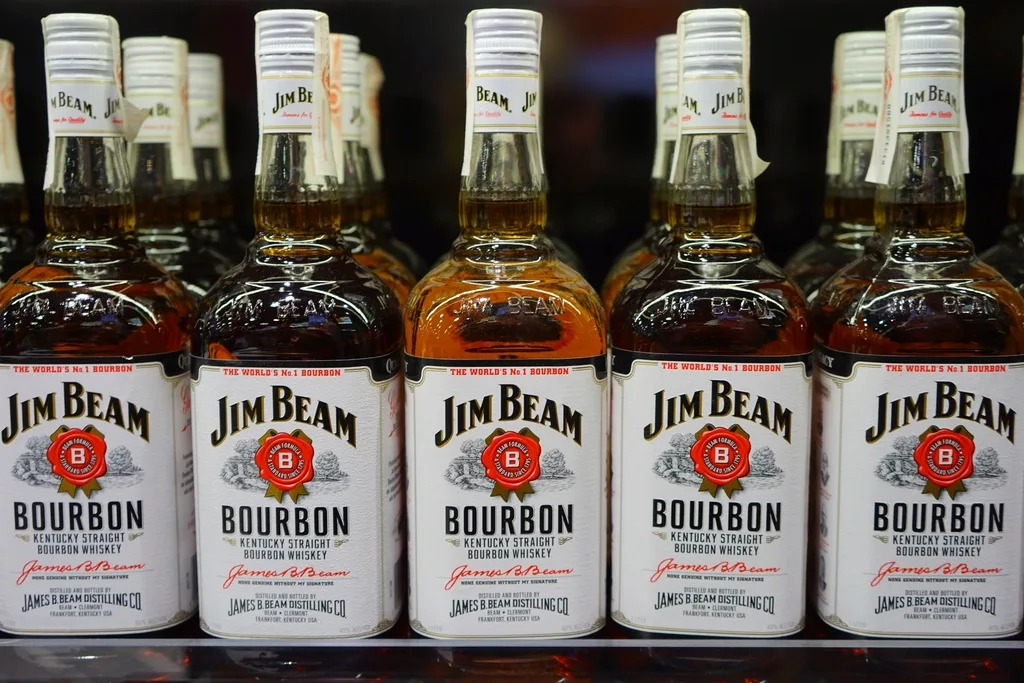
Image source: Openverse / Openverse contributor
Bourbon's Defining Rules: The "Must-Haves"
To truly understand bourbon, you have to know its fundamental requirements. These aren't suggestions; they're laws that ensure a consistent, recognizable product reaches your glass. Think of them as the DNA of bourbon whiskey.
The Grain Bill: It's All About the Corn
The primary difference that sets bourbon apart starts with its grains. Per U.S. Code (27 CFR Part 5.22), bourbon whiskey must be crafted from a mash bill, the mixture of grains used to make the spirit, that consists of at least 51% corn. This high corn content is where bourbon gets its characteristic sweetness and a fuller, richer body compared to whiskeys made with a higher proportion of other grains
which might include rye or wheat. This corn base typically contributes caramel and vanilla notes, providing that approachable sweetness many people associate with bourbon.
The Barrel: New, Charred Oak is Key
Aside from the grain, the aging vessel is critical. Unlike many other whiskeys that can be aged in used barrels, bourbon must be aged in brand-new, charred oak containers. This requirement is significant because new oak is incredibly porous and packed with compounds that impart flavor and color to the spirit as it matures. The charring process creates a layer of activated carbon, which filters the spirit, and a layer of caramelized wood sugars that contribute rich, often smoky, sweet, and spicy notes.
Proof Points: What Distillation & Bottling Strength Mean
The rules for distillation and bottling proof are also key differentiators for bourbon. After the mash is fermented and distilled, the spirit can't go into the barrel at more than 125 proof (62.5% alcohol by volume). This lower entry proof allows the whiskey to better absorb the flavors from the oak. During distillation itself, the spirit cannot exceed 160 proof (80% alcohol by volume).
Finally, when it's bottled, bourbon must be at least 80 proof (40% alcohol by volume). These specific ranges help maintain a robust flavor profile that doesn't get stripped out by excessive distillation or diluted too much before bottling.
Tasting Bourbon: What Makes It Unique?
So, we've covered the rules, but what does bourbon actually taste like, and why is it so distinctive? When you sip bourbon, you're experiencing the direct result of those ingredients and processes we just discussed. The quality of the corn, the specific char level of the oak, and the aging time all play a role. Many of these elements combine to create a drinking experience that's consistently appealing.
Sweetness from Corn: That Signature Flavor
That high corn percentage in the mash bill is the primary driver of bourhon's signature sweetness. Our research into whiskey flavor profiles indicates that corn yields a sweeter, more saccharine spirit than barley or rye. This sweetness isn't usually a sugary, candy-like type of sweet, but rather a more rounded, deep sweetness often described as caramel, vanilla, or even hints of butterscotch. This inherent sweetness makes bourbon a fantastic entry point for those new to whiskey.
Oak's Influence: Vanilla, Caramel, and More
The new, charred oak barrels do a lot of heavy lifting when it comes to bourbon's flavor complexity. As the whiskey ages, compounds from the wood are extracted. Manufacturers' specifications and aggregate review analysis confirm that this interaction leaches flavors like vanilla, caramel, toffee, and sometimes even notes of cinnamon or dried fruit from the oak. The char layer also contributes a mild smokiness and deepens the color of the spirit.
The longer a bourbon ages, the more pronounced these oak-derived flavors tend to become.
How Bourbon Compares: Bourbon vs. Scotch vs. Irish vs. Rye
To really grasp what bourbon is, it helps to see how it stacks up against other popular whiskeys. While they all share the "whiskey" family name, their production methods and resulting flavors are quite different. This comparative look highlights the unique place bourbon holds in the world of spirits.
Consider these key differentiators, as outlined by spirit industry standards:
| Feature | Bourbon Whiskey | Scotch Whisky (Single Malt) | Irish Whiskey | Rye Whiskey |
|---|---|---|---|---|
| Base Grain | At least 51% corn | Malted barley (often 100%) | Primarily malted and unmalted barley | At least 51% rye |
| Aging Barrel | New, charred oak containers | Used oak barrels (often ex-bourbon or ex-sherry) | Used oak barrels (often ex-bourbon or ex-sherry) | New, charred oak containers (usually) |
| Flavor Profile | Sweet, caramel, vanilla, oak, sometimes fruity | Smoky, peaty, malty, fruity, floral (varies widely) | Smooth, light, fruity, honeyed, malty | Spicy, peppery, fruity, oak |
| Origin | United States | Scotland | Ireland | United States, Canada |
This table shows that while bourbon is aged in new oak like some rye whiskeys, its high corn content gives it a distinctively sweeter profile than the spicier rye. Scotch and Irish whiskeys, often using spent barrels, have a broader range of flavor profiles that can be quite different from bourbon's characteristic vanilla and caramel notes.
