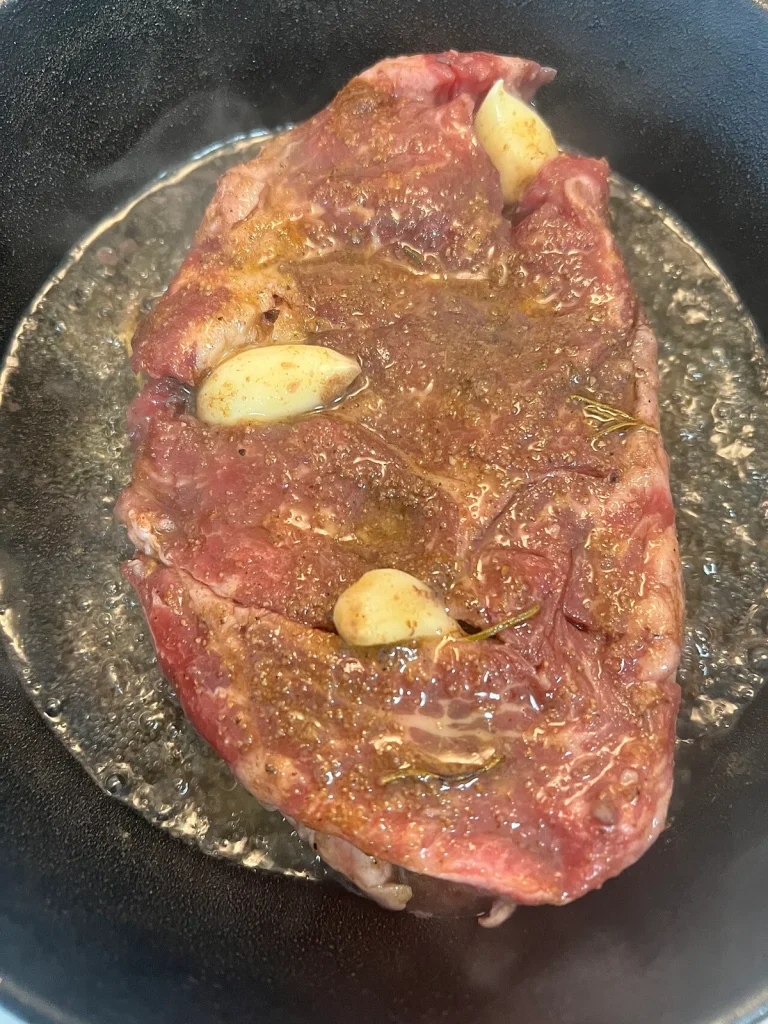

Breakfast steak is that perfect, hearty cut you want to start your day right, especially when you're craving something more substantial than toast or cereal. It's less about a single, specific cut and more about selecting beef that's tender, flavorful, and cooks quickly enough for a morning meal. Think of it as the ideal steak partner for eggs, potatoes, and that essential cup of coffee.
In our research, we found that cuts often recommended for breakfast steak typically range from about 3/4 to 1 inch thick, ensuring a quick sear without overcooking. These cuts deliver satisfying beefy notes that complement breakfast flavors without feeling heavy. We'll break down what makes a steak a great breakfast steak and explore the best options available.
Common Cuts for Your Morning Meal
When you're browsing the butcher case, a few steak names pop up more than others for a breakfast context. These cuts are chosen for their balance of tenderness, flavor, and cooking speed, making them ideal for a satisfying morning meal. We're generally looking for steaks that can go from the fridge to the pan and be ready in under 15 minutes, excluding rest time.
Minute Steak: The Speedy Star
Minute steak is probably one of the most common finds when people talk about breakfast steak. It's known for its incredibly thin profile, usually around 1/4 to 1/2 inch thick. This thinness means it cooks up in mere minutes, literally living up to its name.
- Origin: Often derived from the round or flank primal cuts, which are less tender but become palatable when pounded thin.
- Texture: Due to its thinness, it can be a bit chewier than thicker cuts, but it sears quickly, locking in flavor.
- Flavor: It offers a straightforward, mild beefy taste that pairs well with a variety of breakfast accompaniments.
- Best for: Those who need protein fast or prefer a lighter steak option for breakfast. It’s also great for budget-conscious shoppers.
Sirloin Steak: A Reliable Favorite
Top sirloin steak is a consistent performer, offering a great combination of flavor, tenderness, and value. It's a popular choice because it provides a good beefy taste without being overly fatty or costly, making it a solid go-to for many home cooks.
- Origin: Comes from the sirloin primal, a well-exercised muscle that still retains good tenderness.
- Texture: It has a satisfying, firm bite that’s tender enough for breakfast, especially when cooked to medium-rare. Our research indicates it’s generally considered more tender than flank or round cuts.
- Flavor: A robust, classic steak flavor that stands up well to seasoning and cooking.
- Best for: A balanced breakfast steak that offers good flavor and texture at a reasonable price point. It’s versatile enough for grilling, pan-searing, or broiling.
Flank Steak: Bold Flavor
If you lean towards a more intense beefy experience, flank steak is an excellent choice. It's a long, flat cut known for its strong flavor and distinct, coarse grain. When prepared properly, it's a delicious addition to any breakfast plate.
- Origin: Sourced from the abdominal muscles, which means it’s a leaner cut.
- Texture: Flank steak has a noticeable chew due to its long muscle fibers. To achieve tenderness, it's crucial to slice it thinly against the grain after cooking.
- Flavor: It boasts a truly robust, beefy taste that some find more pronounced than other breakfast cuts.
- Best for: Those who appreciate a full-bodied steak flavor and don't mind the extra step of slicing against the grain for optimal tenderness. It also marinates beautifully.
Flat Iron Steak: Tender Luxury
For a touch of everyday luxury in your breakfast, the flat iron steak is a fantastic option. It's known for being remarkably tender and flavorful, often rivaling more expensive cuts. Its rich marbling contributes significantly to its succulence.
- Origin: Cut from the chuck primal, specifically from the top
steak muscle, which runs lengthwise, is incredibly tender. This cut is often praised for its rich marbling, which melts during cooking to create a succulent and buttery texture. When properly cooked and sliced, it offers a superior eating experience that many associate with fine dining.
- Origin: Specifically from the chuck primal, from the top blade roast.
- Texture: Consistently rated as one of the most tender beef cuts, even within the chuck. It's less prone to toughness than flank or round.
- Flavor: Deep, beefy, and rich, enhanced by its generous marbling.
- Best for: Those seeking a premium steak experience for breakfast without the premium price of ribeye or filet mignon. It's also forgiving to cook.
Ribeye: The Decadent Choice
While a full ribeye roast might be weekend dinner territory, smaller, boneless ribeye steaks are an absolutely decadent choice for breakfast. This cut is celebrated for its intense flavor and supreme tenderness, primarily due to its high marbling content. For a truly special morning meal, it’s hard to beat.
- Origin: The ribeye is cut from the rib primal, an area of the cow that is not heavily worked.
- Texture: Exceptionally tender and juicy, thanks to the abundant intramuscular fat. It almost melts in your mouth.
- Flavor: Rich, buttery, and unmistakably beefy. The fat content contributes significantly to its luxurious taste.
- Best for: Special occasions or when you want to indulge. It’s the ultimate treat for a weekend brunch or a celebratory morning.
What Makes a Steak "Breakfast Steak"?
So, what truly elevates a steak to "breakfast steak" status? It's a combination of factors that lead to a quick, satisfying, and delicious morning meal. While many steak cuts can be eaten for breakfast, some are just naturally better suited for the demands of an early morning meal.
Thickness Matters
The thickness of a steak is a critical factor for breakfast. We're usually aiming for cuts that are between 3/4 inch and 1 inch thick. Thinner cuts, like minute steak, cook incredibly fast but can sometimes become tough if overdone. Thicker cuts, over an inch, often require more time than is practical for a typical breakfast routine, potentially leading to a less-than-ideal meal if rushed.
Manufacturer specifications often confirm that maintaining a consistent thickness is key for even cooking.
The Role of Marbling
Marbling, that delicate webbing of intramuscular fat, plays a starring role in breakfast steaks. This fat melts as the steak cooks, basting the meat from within. This process not only enhances the flavor, making it richer and more satisfying, but also keeps the steak moist and tender, preventing it from drying out. Cuts like ribeye and flat iron are often lauded for their superior marbling.
How to Cook Breakfast Steak
Cooking breakfast steak is straightforward, but a few key steps ensure you get the most out of your cut. The goal is a beautifully seared exterior with a tender, juicy interior, ready to complement your other breakfast items. This process is about maximizing flavor and texture in a relatively short timeframe.
Prep and Seasoning
Before your steak even hits the pan, preparation is key. Start by patting your steak thoroughly dry with paper towels. This is crucial for achieving a good sear; moisture on the surface will steam the meat instead of searing it, hindering that desirable crust. Then, season generously with salt and freshly cracked black pepper.
Don't be shy with the seasoning, as it forms the primary flavor base.
Pan-Searing Technique
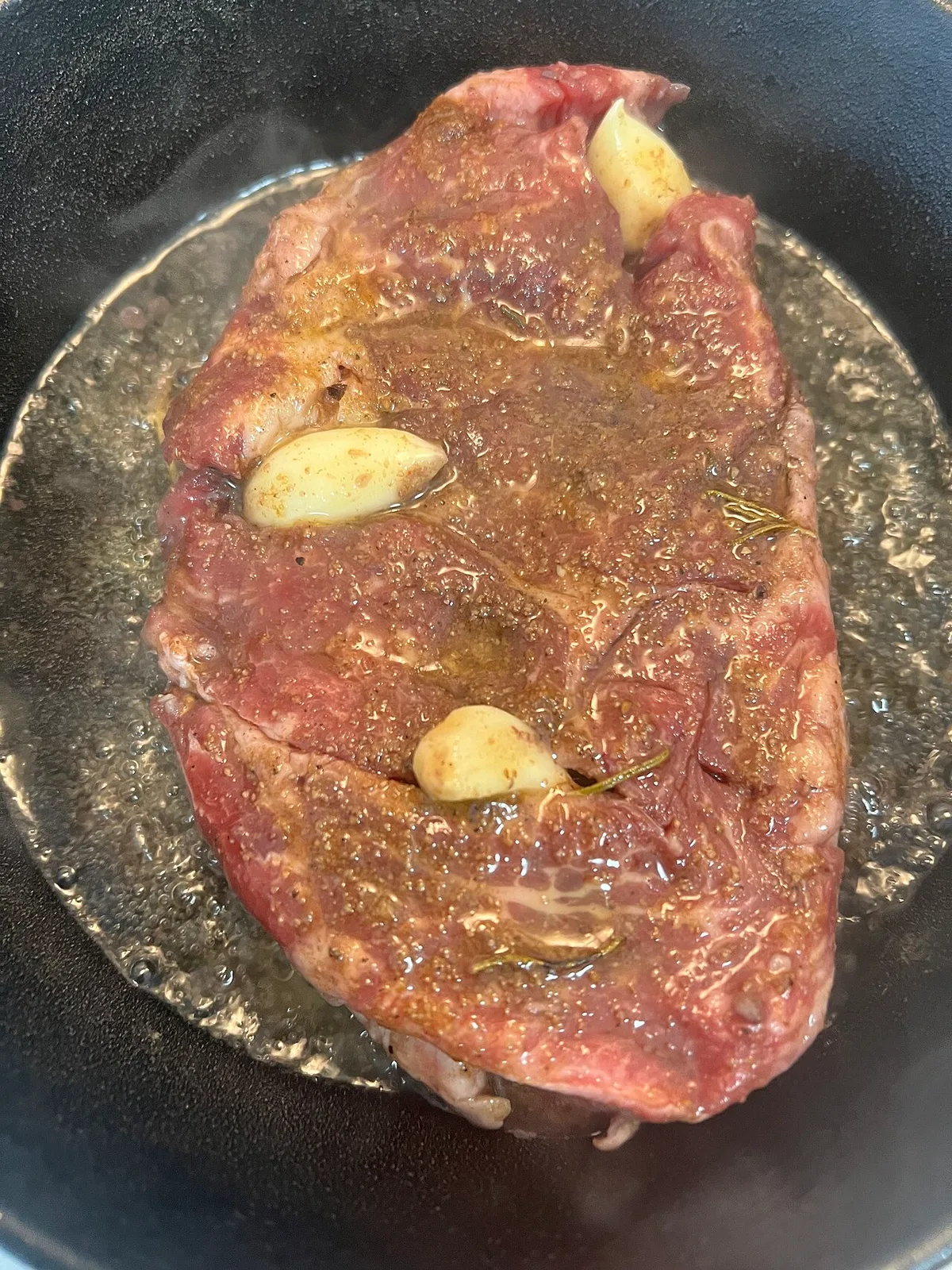
A hot skillet is your best friend here. Use a cast-iron skillet if possible, as it retains heat exceptionally well. Add a high-smoke-point oil, like canola or grapeseed oil, to the hot pan. Once the oil shimmers, carefully lay your seasoned steak into the skillet.
For cuts around 3/4 inch thick, aim for about 2 to 3 minutes per side for a medium-rare finish.
The Crucial Resting Period
After searing, immediately remove the steak from the pan and let it rest on a cutting board or plate for at least 5 minutes. This resting period is non-negotiable. It allows the muscle fibers to relax, redistributing the juices throughout the steak. If you slice it too soon, all that delicious moisture will run out onto your plate, leaving you with a drier steak.
Slicing for Success
How you slice your steak can dramatically affect its perceived tenderness. For cuts with a distinct grain, like flank steak, it's essential to slice thinly against the grain. This breaks up the long muscle fibers, making the meat much more enjoyable to chew. With other breakfast steaks, slicing into manageable, bite-sized pieces is standard practice.
