Tomato Base
Tomato Base

What Is Coney Island Clam Chowder

{“@context”:”https://schema.org”,”@type”:”BlogPosting”,”headline”:”What Is Coney Island Clam Chowder”,”description”:”What Is Coney Island Clam Chowder? It’s a question that might seem straightforward, but the answer usually sparks a debate about what truly defines this iconic…”,”datePublished”:”2026-06-03″,”dateModified”:”2026-06-03″,”mainEntityOfPage”:{“@type”:”WebPage”,”@id”:”https://myfabulousrecipes.com/what-is-coney-island-clam-chowder”},”author”:{“@type”:”Person”,”name”:”Editorial Team”},”publisher”:{“@type”:”Organization”,”name”:”MFR”},”keywords”:”What Is Coney Island Clam Chowder”}

What Is Coney Island Clam Chowder? It's a question that might seem straightforward, but the answer usually sparks a debate about what truly defines this iconic New York dish. When you think of clam chowder, you might picture rich, creamy bowls from New England or the hearty, tomato-laced versions closer to Manhattan. Coney Island chowder carves out its own distinct space, a flavorful concoction that's both familiar and uniquely its own.

Our research shows that Coney Island clam chowder is primarily characterized by its broth or tomato base, distinguishing it from the heavy cream of New England style. It often includes a medley of vegetables and, of course, plenty of clams. To understand it better, we need to compare it against its cousins and explore what makes it a favorite on the boardwalk and beyond.
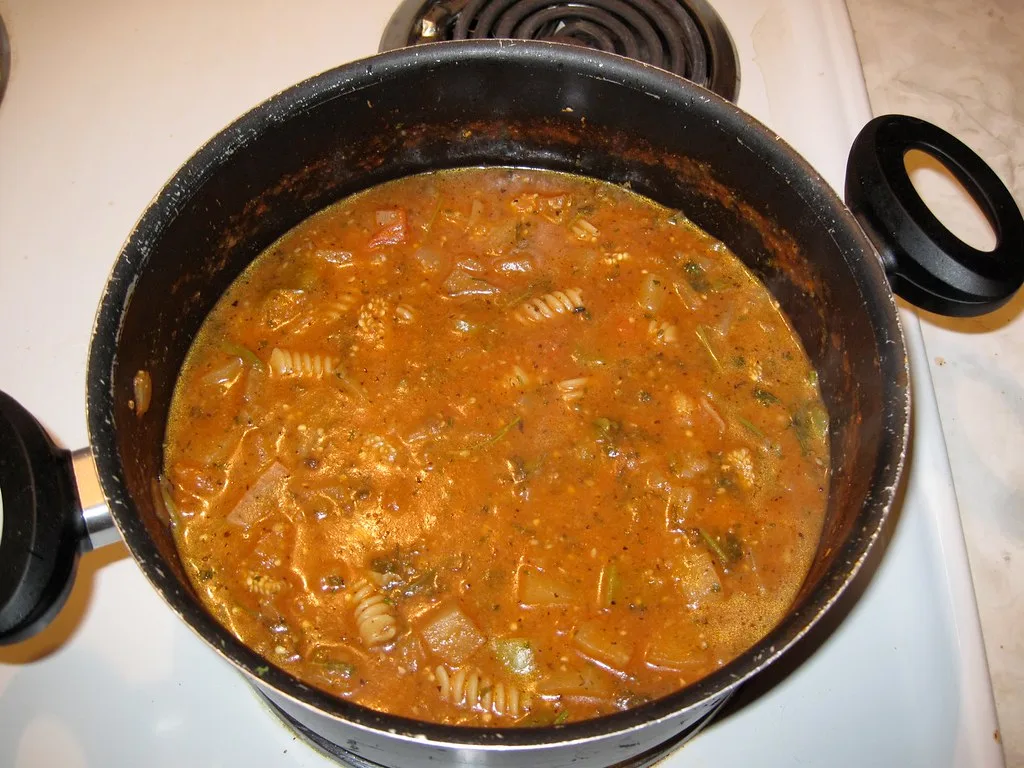
Tomato Base

Image source: Openverse / cogdogblog

The Heart of Coney Island Clam Chowder: Tomato Base & Broth

At its core, Coney Island clam chowder is defined by what’s in the pot and what’s not. Unlike the dairy-laden New England variety, this style often features a tomato base, giving it a brighter, more acidic profile. However, it's not always a thick, stew-like consistency like Manhattan clam chowder. Many iterations lean towards a more refined, broth-based approach, allowing the fresh clam flavor to shine through without being weighed down by cream or excessive tomato paste.

The exact formulation can vary, but the general consensus points to a liquid base that is either primarily tomato- or broth-driven, sometimes a combination of both. This fundamental difference sets the stage for the entire flavor experience.

![Tomato Base](images/tomato-

Key Ingredients That Make It Sing

Beyond the base, the magic of Coney Island clam chowder lies in its components. Fresh clams are, of course, non-negotiable, providing that essential briny flavor. Beyond the stars of the show, a supporting cast of vegetables adds texture and depth. Common additions include potatoes for heartiness, celery and onions for aromatic depth, and sometimes bell peppers for a touch of sweetness and color.

The seasonings also play a crucial role. Think fresh herbs like thyme and parsley, bay leaves for a subtle earthy note, and perhaps a pinch of red pepper flakes for a gentle warmth. It's about building layers of flavor that complement, rather than overpower, the natural taste of the clams.

Clams and Their Role

Clams are the undisputed heroes here, and their quality directly impacts the final dish. Whether you're using fresh shucked clams or canned, their briny liquor contributes significantly to the soup's flavor base. For the best results, many culinary traditions advocate for using whole clams in their shells during the simmering process to enhance the broth, then removing them, shucking, and adding the meat back towards the end. This technique ensures maximum clam flavor infusion.

Shellfish advisories, where applicable, should always be observed when sourcing fresh clams, ensuring they are safe for consumption.

The Vegetable Medley

The right mix of vegetables transforms a simple broth into a satisfying meal. Potatoes are a staple, providing that comforting bite, though their starch content can slightly thicken the broth. Finely diced celery and onions, sautéed until softened, build a foundational flavor profile. Some recipes even incorporate diced carrots or bell peppers, adding a touch of sweetness and vibrant color that complements the tomato or broth base.

The key is in the chop; consistent, small dice ensures even cooking and a pleasant texture throughout the chowder.

Herbs and Seasonings

The aromatic backbone of Coney Island clam chowder is built with classic herbs and spices. A bay leaf steeped during simmering adds a subtle, complex layer that can't be replicated. Fresh thyme sprigs offer a more robust, earthy aroma, while a generous handful of chopped fresh parsley stirred in at the end brightens the entire dish. A touch of black pepper and a pinch of salt are essential, but chefs often experiment with a whisper of paprika or cayenne for a subtle warmth.

How Coney Island Chowder Stacks Up: A Comparison

Understanding Coney Island clam chowder truly clicks when you see how it differs from its well-known counterparts. New England and Manhattan clam chowders are the most common points of reference, but the Coney Island style offers its own distinct identity within the broader chowder family. This comparison helps clarify what makes it unique and where its culinary lineage comes from.

The divergence often boils down to base ingredients: cream versus tomato versus clear broth, and the presence of certain vegetables.

Coney Island vs. New England: Cream vs. Tomato

The most striking difference between Coney Island and New England clam chowder is the base. New England clam chowder is famously creamy, relying on milk or heavy cream for its rich, velvety texture. It's thick, hearty, and traditionally contains no tomatoes. Coney Island clam chowder, conversely, often incorporates tomatoes or a tomato-rich broth, leading to a lighter, tangier, and more vibrant bowl.

While New England chowder is a comforting, winter staple, Coney Island's tomato element makes it feel more suited to warmer weather or a lighter seafood preference.

Coney Island vs. Manhattan: Similar Roots, Different Paths

Where Coney Island clam chowder and Manhattan clam chowder diverge most significantly is in their thickness and specific vegetable profiles, though both share a tomato base. Manhattan clam chowder is generally more robust, with a thicker, stew-like consistency and often features a more varied vegetable combination, including carrots and sometimes parsnips. Coney Island's version tends to be less dense, with a more pronounced clam flavor, and while it uses tomatoes, they're often used to enhance the broth rather than create a thick, stew-like sauce.

Coney Island vs. Rhode Island: Clear Broth Brilliance

Rhode Island clam chowder is the minimalist of the family. It's a clear, broth-based chowder, meaning it contains neither cream nor tomatoes. Its purity allows the intrinsic flavors of fresh clams and vegetables like potatoes, onions, and celery to take center stage. Coney Island, while often broth-based, can sometimes incorporate a hint of tomato, bridging the gap between the pure broth of Rhode Island and the richer, more complex flavors of its other chowder relatives.

When to Choose Coney Island Clam Chowder

So, when does this particular style of chowder hit the spot? It's a choice that often comes down to preference for flavor profile, desired richness, and even the season or setting. If you’re looking for something that feels both comforting and bright, and you’re not necessarily in the mood for a heavy, cream-based dish, Coney Island clam chowder is a fantastic pick.

It occupies a unique space, offering a taste that’s refreshing yet hearty enough to be a meal.

Seaside Sensations

This chowder is practically synonymous with seaside dining, especially in the New York area. Its brighter, tangier notes, often courtesy of the tomato element, feel incredibly refreshing when you're enjoying a day by the ocean. Think of the bustling boardwalks and piers where lighter, flavorful fare is often the order of the day. It’s the kind of food that pairs perfectly with a salty breeze and the sound of waves.

A Lighter Seafood Craving

If you love clam chowder but find the cream-based New England style a bit too heavy, Coney Island’s often broth-forward approach is a welcome alternative. The tomato base adds a welcome acidity and depth without the richness that can sometimes feel overwhelming, especially for lunch or a lighter evening meal. It’s a great way to enjoy the robust flavor of clams and vegetables without feeling weighed down afterward.

Common Pitfalls to Sidestep

Even with a classic dish, it's easy to stumble if you're not careful. The main challenges with making Coney Island clam chowder revolve around balancing those key base flavors and achieving the right texture. Too much of one thing can easily throw the whole pot off-kilter, turning a potentially delicious meal into a disappointment.

We’ve seen aggregate reviews of home cooks and even some professional establishments struggle with these specific points, sometimes leading to bowls that miss the mark.

Overpowering the Tomato

The tomato element is crucial, but it shouldn't dominate. If you use too much tomato paste or too many acidic tomatoes, the chowder can end up tasting more like a rustic tomato soup with clams, rather than a clam chowder with tomato undertones. The goal is to use the tomato to enhance the broth and add brightness, not to make it the primary flavor.

This is especially true if using canned diced tomatoes; draining some of the liquid or opting for a milder variety can help.

Getting the Consistency Wrong

Achieving the perfect consistency is key to distinguishing Coney Island clam chowder from its Manhattan cousin. If the base is too thin, it might feel watery and lack substance. Conversely, if it's too thick, it can drift into Manhattan territory, losing the delicate balance that defines this style. The starch from potatoes, if used, can help thicken it, but careful simmering and judicious stirring are often the best tools for control.

Manufacturers of canned clams often provide broth that can be used to adjust the final consistency.

Comments

No comments yet. Why don’t you start the discussion?

Leave a Reply

Your email address will not be published. Required fields are marked *