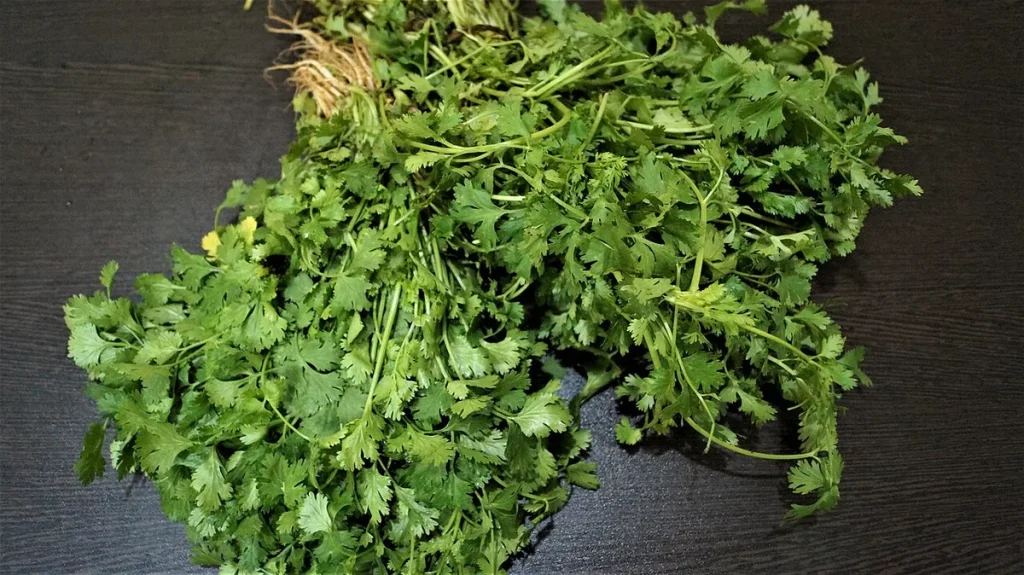

What Exactly Is Coriander, Anyway?
If you've ever found yourself hovering over a bunch of leafy greens at the grocery store, wondering if you're grabbing cilantro or something else entirely, you're not alone. The exact identity of coriander can be a bit confusing, especially since one of its most popular forms goes by a different name. It's an aromatic herb used in kitchens worldwide, bringing a unique zest to countless dishes.
Here's the straightforward answer: coriander refers to both the fresh leaves and the dried seeds of the Coriandrum sativum plant. The leaves are widely known as cilantro, particularly in North America. According to the U.S. Department of Agriculture, a standard cup of chopped fresh cilantro leaves contains approximately 246 milligrams of vitamin K and 10.6 milligrams of vitamin C, highlighting its nutritional contribution.
Understanding the difference and how to use each part is key to unlocking its full culinary potential.
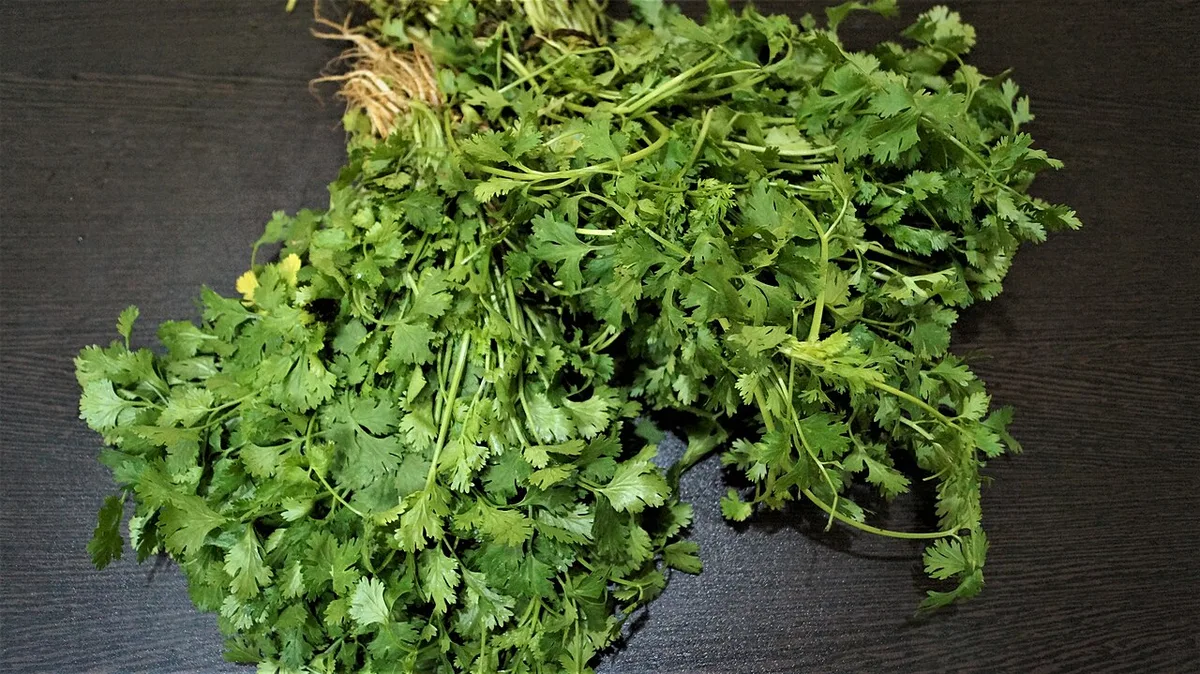
Image source: Wikimedia Commons / Kpsudeep (CC BY-SA)
A Quick Look at Coriander: Herb or Spice?
The easiest way to think about coriander is that it's a dual-purpose plant. Think of it like a carrot, where you use both the root and the greens, though in coriander's case, the parts are much more distinct in flavor and application. The fresh, green leaves, which we call cilantro in many parts of the world, are typically used as a fresh herb. They have a bright, herbaceous, and sometimes sharp flavor profile that adds a lift to finished dishes.
On the other hand, the dried seeds of the Coriandrum sativum plant are where you get the spice we know as coriander. These seeds are usually harvested after the plant has finished producing its leaves and has gone to flower. They have a distinctly different taste, warm, nutty, and slightly citrusy, with hints of sage. While related by origin, the flavors are so divergent that they're treated as entirely separate ingredients in most cooking contexts.
Coriander Leaves vs. Coriander Seed: What's the Difference?
The primary difference between coriander leaves (cilantro) and coriander seed boils down to their form and flavor. Leaves are the leafy green tops of the Coriandrum sativum plant. You use them fresh or very briefly cooked, and their taste is often described as zesty, citrusy, and sometimes a bit pungent. The seeds, on the other hand, develop after the plant flowers.
They are small, round, and dry, usually ground or used whole in cooking recipes for their warm, savory, and aromatic qualities.
When you encounter coriander in recipes, pay close attention to which part is called for. Fresh cilantro leaves are fantastic stirred into salsas, guacamole, Vietnamese pho, or Thai curries right at the end of cooking. Ground coriander seed is a staple in spice blends like curry powder or garam masala, and it's excellent in marinades for meats, stews, and baked goods like gingerbread. They're not interchangeable.
Adding ground seed to a fresh salad would be jarring, while adding fresh leaves to a slow-cooked stew might lose all their delicate flavor.
Coriandrum sativum: The Plant Behind It All
- Botanical Name: Coriandrum sativum
- Family: Apiaceae (the parsley family)
- Origin: Mediterranean and Middle Eastern regions
- Growth Habit: Annual herb that grows up to 2 feet tall. It produces delicate white or pale pink flowers that eventually form the seeds.
That "Soapy Taste" Thing: Why Some People Hate Coriander
You've probably heard friends or family members rave about cilantro, only for someone else to declare it tastes like soap. This isn't just pickiness; it’s rooted in genetics. Our perception of cilantro's flavor is influenced by specific olfactory receptor genes. For some individuals, particularly those with a particular variant of the 'OR6A2' gene, the aldehydes present in cilantro's leaves are perceived as soapy or unpleasant.
This genetic link is why taste is so subjective. Researchers have identified that individuals with this gene variant are more sensitive to the soapy notes, overpowering the herb's intended fresh, citrusy qualities. For those who don't have this genetic predisposition, cilantro offers a bright burst of flavor that complements many savory dishes. It's a fascinating example of how our biology directly impacts our culinary experiences, affecting how we enjoy ingredients as common as coriander.
Using Coriander Leaves in Your Cooking: Fresh
Fresh coriander leaves, or cilantro, are a vibrant addition to meals when used correctly. Their delicate flavor is best preserved when they aren't subjected to prolonged, high heat. Think of them as a finishing touch, added just before serving or stirred in during the last minute or two of cooking. This technique ensures you get that refreshing, zesty pop that makes so many dishes sing.
A good practice is to wash the leaves thoroughly under cool running water and then gently pat them dry to remove excess moisture, which can make them wilt prematurely. Whether you chop them finely, tear them, or blend them into a paste, their role is generally to provide a bright counterpoint to richer flavors. They’re a staple in cuisines from Mexico and India to Thailand and Vietnam, proving their versatility across continents and flavor profiles.
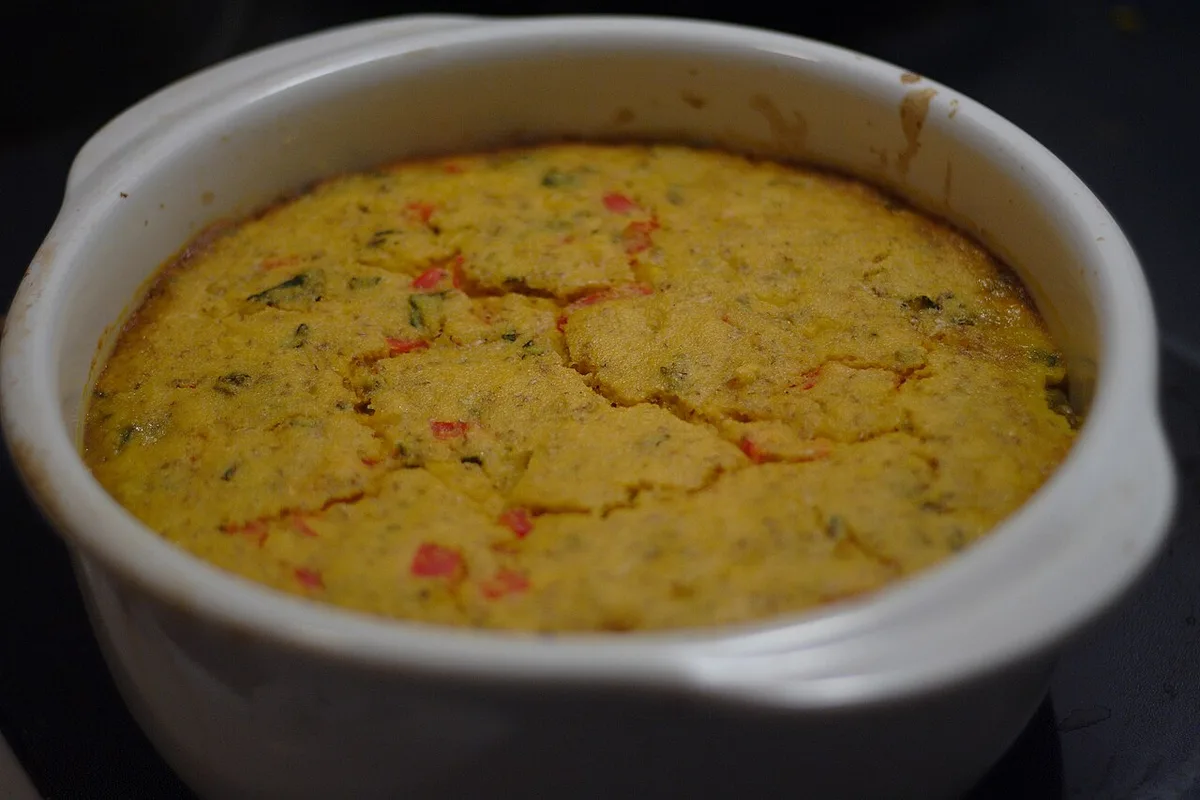
Image source: Wikimedia Commons / Michelle Tribe from Ottawa, Canada (CC BY)
Quick Tips for Using Fresh Coriander Leaves:
- Add at the end: Stir into soups, stews, curries, and pasta dishes right before serving.
- Garnish generously: Sprinkle over tacos, grilled fish, stir-fries, or salads.
- Blend into sauces: Incorporate into pestos, chimichurri, or green salsas.
- Marinate with caution: While great in marinades, limit cooking time to retain freshness.