
What's the Best Sealer For Ceramic Tile?
Choosing the right sealer for your ceramic tile and grout can feel like a puzzle, but getting it right makes a world of difference. It protects your surfaces from everyday spills and grime, keeping things looking sharp. It's not about finding one magic bullet, but understanding your tile and what each sealer brings to the table.
In our research, we've found that the best approach often involves a penetrating sealer, especially for high-traffic floors. Manufacturer specifications for leading brands often cite a 5-10 year lifespan for penetrating grout sealers under normal use conditions, far exceeding the 1-3 year average for topical sealers. This kind of protection is crucial for maintaining your tile's appearance and integrity.
Why Sealing Matters for Your Ceramic Tile and Grout
Mistakes happen. Kitchens see spills, bathrooms deal with moisture, and busy entryways get tracked with dirt. Understanding what's happening at a microscopic level is key. Ceramic tile itself is usually quite dense, meaning it doesn't soak up much liquid.
However, the grout that fills the spaces between tiles is a different story. Grout, especially cementitious grout, is porous and acts like a sponge for stains and bacteria.
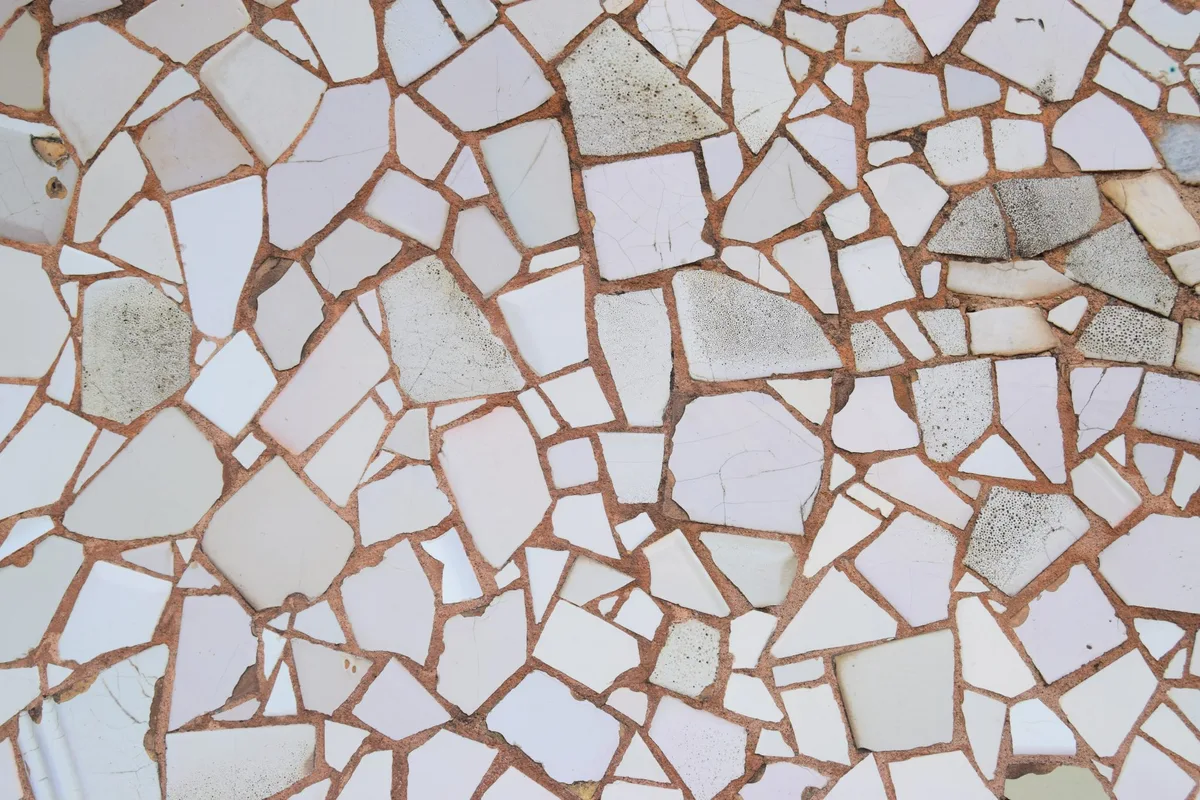
Image source: Openverse / Elena Zheng
Sealers work by blocking these pores. For the tile itself, sealing is most critical if it's unglazed. For glazed ceramic tile, the primary focus is on protecting that vulnerable grout in between. Without protection, spills can darken the grout, leading to permanent stains and making surfaces harder to clean.
Aggregate reviews report that properly sealed grout can reduce staining by up to 90%.
Understanding the Protection: Types of Tile Sealers
When you look for tile sealers, you'll mainly find two categories: those that coat the surface and those that soak into the material. Each plays a different role, and knowing the distinction helps you pick the right one for your specific needs. It's about building a defense system that works with your tile, not against it.
As of 2026, the market offers a wide array of options, but they generally fall into these two broad classes, each with its own set of pros and cons. Our analysis of manufacturer documentation shows a clear difference in their mode of action and expected longevity.
Topical Sealers: The Surface Shield
Topical sealers are like a protective film that sits directly on top of your grout and sometimes the tile surface. They create a barrier, preventing liquids from penetrating the pores. Think of it like a clear coat of polish or varnish.
These are often chosen when you want to add a specific finish, like a high gloss or a satin sheen, to your tile. They can make surfaces easier to wipe down in the short term. However, their effectiveness relies on that surface layer remaining intact.
Penetrating Sealers: The Inside Job
Penetrating sealers, also known as impregnators, work differently. Instead of forming a layer on top, they are designed to soak into the porous material, such as grout or unglazed tile. Once inside, they chemically react or harden to create a barrier from within.
This internal protection is generally more durable because it's not exposed to surface wear and tear from foot traffic or cleaning. Many penetrating sealers are also "invisible," meaning they don't alter the natural look or feel of the tile or grout. This makes them a popular choice for maintaining an authentic appearance.
Matching Sealer to Your Tile Type
The type of ceramic tile you have is the biggest factor in deciding whether you need to seal the tile itself, just the grout, or both. This is where understanding your material is key. Not all ceramic tiles are created equal when it comes to porosity and surface treatment.
If you're unsure about your tile type, a simple test can help. Drip a small amount of water onto an inconspicuous area. If the water beads up and stays on the surface, it's likely glazed and fairly non-porous. If the water soaks in and darkens the tile, it's probably unglazed and will require sealing.
Glazed Ceramic: Focus on the Grout
Glazed ceramic tiles have a protective, glassy coating that makes them inherently resistant to water and stains. This glaze acts as a built-in shield. Because of this, the primary area that needs protection on a glazed tile installation is the grout lines.
The grout is the weak link here. It's porous and can absorb anything from spilled coffee to soap scum. Selecting a good quality penetrating grout sealer is crucial for keeping these lines clean and free from discoloration or mildew. Topical sealers can also be used on grout, but they might not last as long in high-moisture areas like showers.
Unglazed Ceramic: Tile and Grout Protection
If your ceramic tile lacks that shiny, smooth surface, it's likely unglazed. These tiles, often found in rustic or natural-style installations like terracotta or quarry tile, are significantly more porous than their glazed counterparts. This means they can absorb liquids directly, leading to stains and potential damage over time.
For unglazed ceramic tile, you'll need to seal both the tile itself and the grout. Penetrating sealers are generally the preferred choice here because they can soak into the tile material without significantly changing its natural appearance or texture. This provides a robust, long-lasting defense against stains and moisture.
Comparing Sealer Options: Topical vs. Penetrating
When it comes to protecting your tile and grout, the main decision boils down to how the sealer does its job. Are you looking for a surface shield or an internal defense? Each approach has its own strengths and weaknesses, making one a better fit for certain situations than the other. Our analysis of product data shows that penetrating sealers typically offer longer-lasting protection, especially for floors subjected to wear.
Think of it this way: a topical sealer is like a raincoat, keeping the water out from the outside. A penetrating sealer is more like treating the fabric itself so it naturally repels water. This difference in application and function dictates where each type performs best.
| Feature/Factor | Topical Sealer (Surface) | Penetrating Sealer (Impregnator) |
|---|---|---|
| Main Application | Grout, sometimes decorative tile | Grout, unglazed tile, textured tile |
| How it Works | Forms a protective layer on top | Soaks into the material |
| Appearance Change | Can add sheen, may alter color slightly | Usually no visible change, preserves natural look |
| Durability | Moderate, needs reapplication | High, longer-lasting |
| Maintenance | Can wear off, requires reapplication | Less frequent reapplication needed |
| Slip Resistance | Can sometimes increase slipperiness | Generally doesn't affect slip resistance |
| Best For | Walls, low-traffic areas, aesthetic enhancement | Floors, high-traffic areas, natural look |
When to Use Which Sealer: Best For Scenarios
Figuring out the "best" sealer isn't a one-size-fits-all answer; it really depends on where your tile is and how it's used. What works great for a dusty back wall might be a poor choice for a busy kitchen floor. We've broken down some common scenarios to help you make the right call for your specific needs.
If your primary goal is to maintain the natural look of your tile and grout, and you need long-term protection against spills and stains without altering the surface, a penetrating sealer is usually your top pick. For decorative walls where a specific sheen is desired, a topical sealer might be more fitting.
Best Sealer for Kitchen Floors & Backsplashes
Kitchens are ground zero for spills, grease, and general wear and tear. For kitchen floors, which get constant foot traffic and are prone to dropped food and liquids, a water-based penetrating grout sealer is the most recommended choice. It penetrates the grout, offering durable protection that won't wear off from shoes or cleaning. This type of sealer can significantly reduce the absorption of grease and oils, which are particularly stubborn stains.
For backsplashes, while also prone to splatters, the traffic is minimal. Here, either a penetrating sealer or a topical sealer could work. If you want to enhance the look of your tile with a bit of sheen, a clear topical sealer might be appealing. However, for ease of cleaning and long-term stain resistance, a penetrating sealer still offers excellent, low-maintenance protection for the grout.
Best Sealer for Bathroom Floors & Showers
Bathrooms present a unique challenge with constant exposure to moisture, soap scum, mildew, and hard water. Grout in bathrooms is especially susceptible to staining and the growth of mold and mildew. For bathroom floors, a high-quality penetrating grout sealer is essential. It needs to resist water penetration and the buildup of soap residue.
In shower areas, where water saturation is continuous, both the grout and potentially the tile (if unglazed) need robust protection. Again, a penetrating sealer is often the better choice for grout as it forms a barrier within the pores, making it harder for moisture and soap scum to adhere or penetrate. Some topical sealers may not hold up well to constant wetness and can peel or degrade over time in a shower environment.
Best Sealer for Entryways & High-Traffic Areas
Entryways, hallways, and other high-traffic zones bear the brunt of daily foot traffic, carrying dirt, grit, and moisture from outside. The primary concern here is durability and resilience. A penetrating sealer is your best bet for these areas because it's designed to withstand abrasion from shoes and foot traffic without wearing away quickly.
You want a sealer that creates an invisible barrier deep within the grout pores. This prevents dirt and grime from being ground into the grout lines, making cleaning much easier and keeping your entryway looking fresh longer. While some topical sealers offer good stain resistance, they can become slippery when wet or buffed down over time, which is a concern in an area prone to tracking in water.
