
You've seen them at the grocery store, those tough, leathery green or purple things that look almost alien. But what exactly is an artichoke? It's actually a flower bud of a thistle-like plant, specifically the Cynara cardunculus var. scolymus. We're not just talking about one species, either; several varieties exist, with the Globe artichoke being the most commonly recognized.
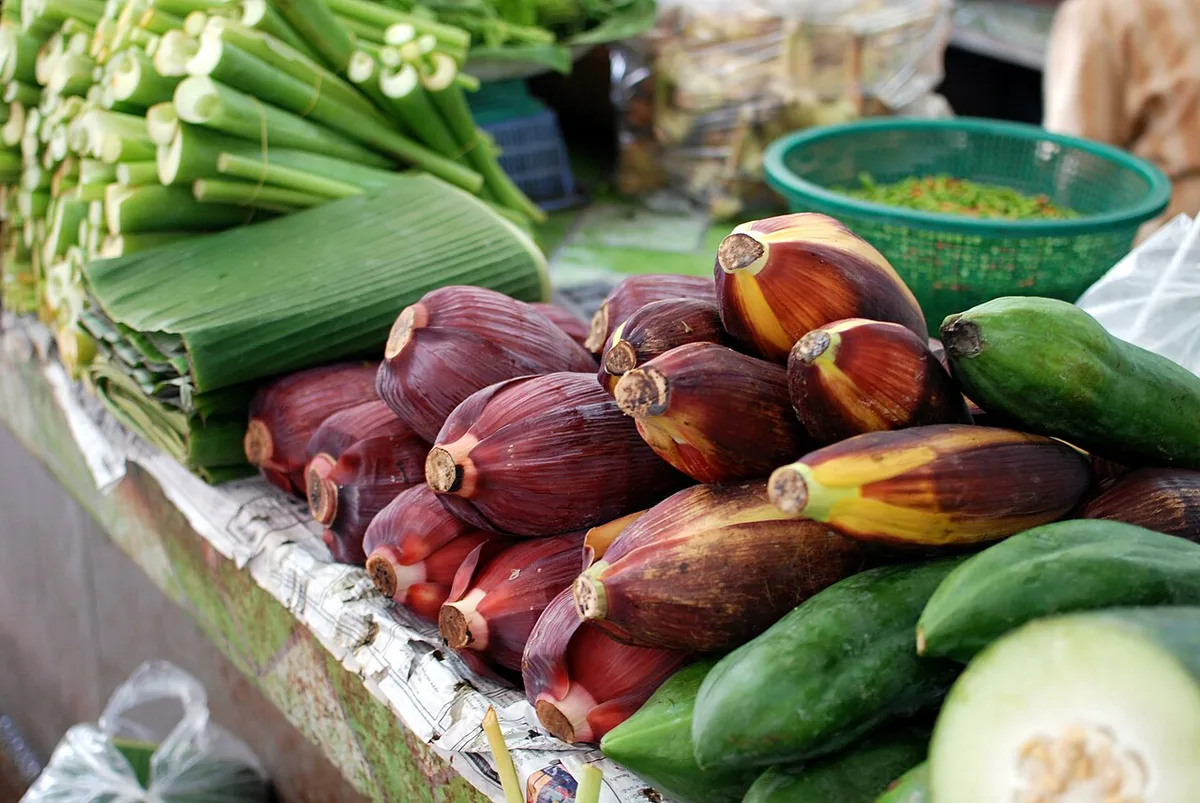
Image source: Wikimedia Commons / Takeaway (CC BY-SA)
This bud, when left to mature, would open into a beautiful purple flower, but we harvest them before they bloom to enjoy their tender insides. Our research indicates that as of 2026, artichokes are cultivated in various regions worldwide, with California being a major producer in North America. Let's dig into what makes this edible flower bud so special.
The Artichoke: Not Just Pretty, But A Budding Flower
The artichoke is more than just a unique vegetable; it’s a botanical marvel preparing to bloom. Its entire structure, from the tough outer layers to the tender heart, is designed for a specific purpose in the plant's life cycle. Understanding its nature as an unopened flower bud helps explain its form and how we prepare it for eating. Unlike many common vegetables that come from roots, stems, or leaves, the part of the artichoke we savor is a tightly furled blossom.
What Exactly Is an Artichoke? It's a Flower Bud!
At its core, an artichoke is an immature flower bud. Imagine a plant’s strategy to protect something precious, its future flowers. That's precisely what the artichoke is doing. It's a bundle of tightly packed, immature flower parts, covered by protective green or purple scales that we call leaves, or more botanically, bracts.
This bud hasn't yet opened to reveal its vibrant petals and pollination structures.
The Secret Life of the Artichoke Plant
The artichoke plant itself is a stately, thistle-like perennial that can grow quite large, often reaching three to four feet in height and about the same in width. It thrives in temperate climates and prefers well-drained soil. While the bud is what we typically eat, the plant also produces attractive, silvery-green foliage. In its native Mediterranean region, the plant has been cultivated for centuries, admired for both its edible bounty and its striking appearance.
In some areas, like parts of Europe and North Africa, you might also find the wild ancestor, often referred to as the wild cardoon, which is closely related but primarily grown for its edible leaf stalks rather than the buds.
Anatomy of an Artichoke: What You're Actually Eating
To truly appreciate an artichoke, you need to know its different parts. When you pick one up, you're holding a complex structure all geared towards protecting its future bloom.
- Outer Leaves (Bracts): These are the tough, fibrous outer layers. They often have a sharp point and offer the plant robust protection. You'll pull these off first when preparing to eat.
- Inner Leaves: As you get toward the center, the bracts become younger, more tender, and paler in color.
- The Heart: This is the most prized part, the fleshy, tender base of the artichoke bud. It has a delicate, almost nutty flavor.
- The Choke: Sitting just above the heart, under the innermost bracts, you'll find the "choke." This is the fuzzy, hairy part that’s not edible and needs to be removed after cooking. It’s essentially the immature flower's stamens and pistils.
Those "Leaves": Understanding the Bracts
What we commonly call artichoke "leaves" are botanically known as bracts. These are modified leaves that enclose and protect the developing flower head. Each bract is layered tightly around the next, forming a sturdy shield.
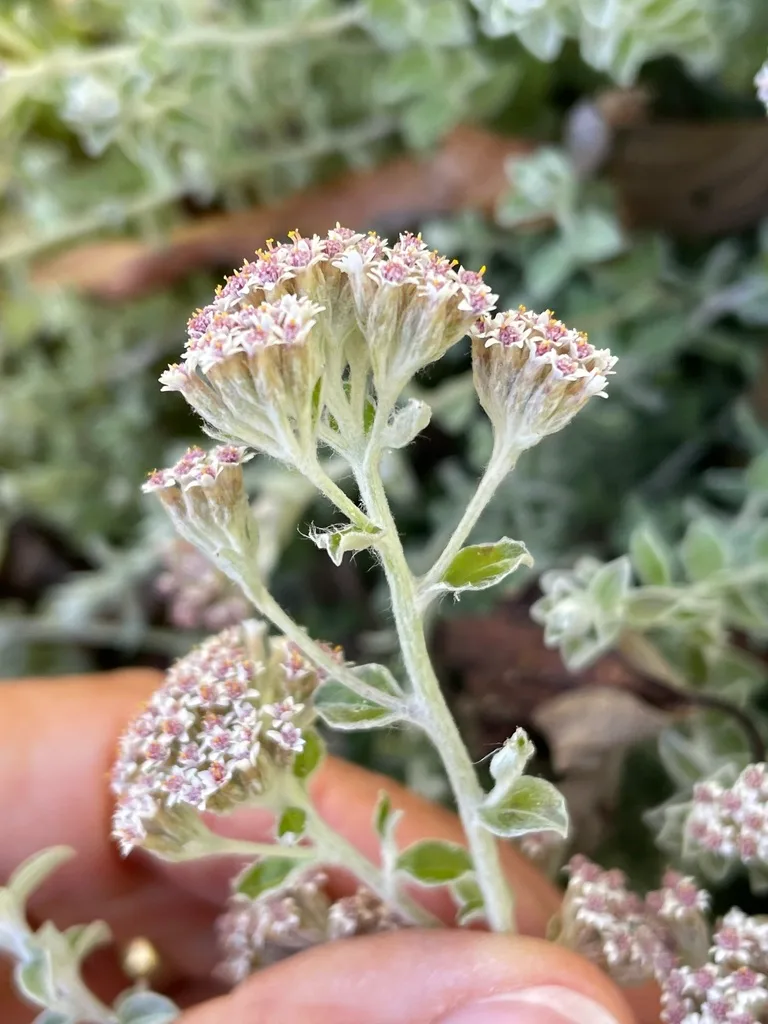
Image source: iNaturalist / Irene
The texture and flavor of the bracts vary; the outer ones are tougher and less flavorful, while the inner ones become progressively more tender and delicious. When you eat an artichoke, you're essentially peeling back these bracts and scraping the fleshy, edible base of each one with your teeth. This layered defense mechanism is a testament to the plant’s evolutionary strategy to ensure its reproductive success.