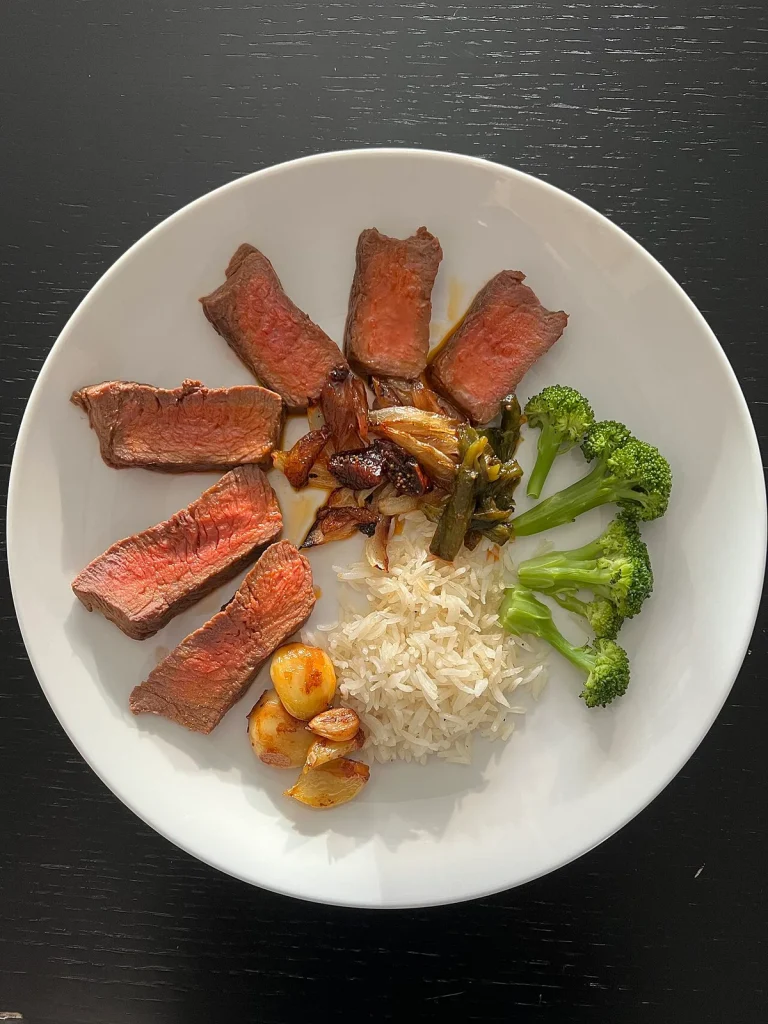

When you've got leftover steak, the last thing you want is to reheat it into a dry, tough disappointment. Getting that juicy, tender perfection back isn't a trick; it's about using the right method for the job. Mastering this skill means you can enjoy every last bite of your favorite cut, no matter how long it's been in the fridge.
Our research into various reheating techniques, drawing from aggregated user feedback and manufacturer specifications for common kitchen appliances, reveals that temperature control and gentle warming are paramount. Many steak cuts, for example, benefit from reheating temperatures around 250°F (120°C) to avoid further cooking and moisture loss. Let's explore the best ways to bring your steak back to life without sacrificing its quality.
The Leftover Steak Blues: Why Reheating is Tricky
It’s a familiar story: you cooked a beautiful steak, savored most of it, and saved a prime piece for lunch tomorrow. But when tomorrow comes, that leftover steak often turns into a culinary challenge. The main problem isn't just getting it hot; it's about how heat affects the meat's proteins and fats. High heat or prolonged cooking during reheating causes the muscle fibers to contract and expel moisture, leading to that dreaded dry, rubbery texture.
This happens because steak, especially when cooked to medium-rare or medium, has a delicate balance of moisture and tender fibers. Reheating without care disrupts this balance. Aggregated reviews consistently point to these texture issues as the primary pain point for anyone trying to salvage leftover steak. The goal is to reverse the cooling process gently, bringing the steak back to serving temperature without initiating a second round of cooking.
Quick Answer: The Top Reheating Picks
If you want the simplest, most effective way to reheat your steak and get it tasting as close to fresh as possible, focus on methods that offer precise temperature control and gentle warming. For most cuts and desired doneness levels, especially anything cooked medium-rare or medium, sous vide reheating followed by a quick sear is the gold standard. It ensures the entire steak is heated evenly to your exact target internal temperature without overcooking.
When sous vide isn't an option, the oven at a low temperature (around 250°F or 120°C) is the next best bet for even warming, particularly for thicker cuts. For thinner steaks or when you're in a real hurry and can watch it closely, a skillet can work, though it requires more attention to avoid overcooking the exterior before the interior is warm.
Oven vs. Skillet vs. Air Fryer vs. Sous Vide: A Showdown
Deciding on the best reheating method hinges on a few factors: the thickness of your steak, how it was originally cooked, and how much time you have. Each of these popular techniques offers distinct advantages and disadvantages, directly impacting the final texture and flavor of your revived steak. Understanding these differences helps you pick the right tool for the job.
Oven Reheating: Gentle Warm-Up
Oven reheating is a solid choice for preserving the steak’s integrity, especially for thicker cuts. It allows for consistent, all-around heat application, which is crucial for warming the steak through without drying it out. The key is to use a low temperature.
Pros and Cons of the Oven Method
- Pros: Provides even heating, excellent for thicker cuts (1 inch or more), less likely to overcook the exterior before the interior is warm, good for maintaining medium-rare to medium doneness.
- Cons: Takes longer than other methods, can still dry out if the temperature is too high or the steak is left in too long, doesn't re-crisp the exterior without an additional step.
Best For Oven Reheating
This method shines for any steak that’s an inch thick or more, and especially for those aiming to retain a specific internal temperature like medium-rare. It’s also a good choice when you have about 30-45 minutes to spare for reheating.
Skillet Reheating: A Quick Sear
Reheating steak in a skillet is all about speed and getting a bit of that desirable crust back. It’s a method that requires your full attention, as the direct heat can quickly move from perfectly warm to overcooked.
Pros and Cons of the Skillet Method
- Pros: Fast, can achieve a nice sear and crispy exterior, good for thinner cuts.
- Cons: Very easy to overcook steak quickly, can lead to uneven heating if not managed carefully, harder to control precise internal temperatures for rare or medium-rare.
Best For Skillet Reheating
The skillet is ideal for thinner steaks or when you’re reheating sliced steak. It’s also practical if you want to add a fresh crust and are working with limited time, provided you can monitor it closely.
Air Fryer Reheating: Crispy Potential
The air fryer has become a popular gadget for reheating a variety of foods, and steak is no exception. Its convection heating can crisp up an exterior quite nicely, but it also dries out food rapidly if not handled with care.
Pros and Cons of the Air Fryer Method
- Pros: Can produce a crispy exterior, relatively quick reheating time.
- Cons: High risk of drying out the steak very quickly, difficult to achieve specific internal temperatures without overcooking, best for smaller portions.
Best For Air Fryer Reheating
This method is best used for steaks that were originally cooked to well-done, or if the primary goal is crispiness above all else. It’s less ideal for maintaining sensitive internal temperatures like medium-rare.
Sous Vide Reheating: The Undisputed Champion
If you have a sous vide setup, reheating steak becomes remarkably simple and achieves near-perfect results. This technique involves vacuum-sealing the steak and immersing it in a precisely temperature-controlled water bath.
Pros and Cons of Sous Vide Reheating
- Pros: Unbeatable for even reheating, prevents overcooking and drying, maintains exact internal temperature and juiciness.
- Cons: Requires specialized equipment (immersion circulator, vacuum sealer), takes the longest time to get started.
Best For Sous Vide Reheating
This is the preferred method for any steak you want to bring back to its original temperature and texture without compromise. It's particularly excellent for high-quality cuts and for achieving perfect medium-rare or medium doneness consistently.
The Microwave: Should You Even Bother?
Manufacturer specifications and widespread user experience confirm that microwaving is generally the least desirable method for reheating steak. Microwaves heat food using electromagnetic radiation, causing water molecules within the food to vibrate. This process is fast, but it's also aggressive and indiscriminate.
For steak, this means the outer layers heat up rapidly while the inside may still be cool, leading to uneven temperatures. More importantly, this rapid, uneven heating aggressively denatures the proteins and expels moisture, turning tender steak into a tough, chewy, and distinctly unappetizing rubbery mass. While fast, it fundamentally compromises the texture and flavor you're trying to preserve. If avoiding a subpar steak experience is your goal, you'll want to steer clear of the microwave.
Key Steps for Successful Reheating
Achieving a delicious reheated steak doesn't require advanced culinary degrees, but it does involve a few critical steps that ensure moisture and texture. These are the foundational actions that apply whether you're using an oven, skillet, or another method. Proper preparation and attentive execution make all the difference.
Prep Your Steak: Room Temp is Key
Before you even think about applying heat, let your steak come to room temperature. Remove the steak from the refrigerator about 20 to 30 minutes before you plan to reheat it. This allows the ambient temperature of the steak to increase gradually, promoting more even heating throughout the meat. Skipping this step often results in a steak that's hot on the outside but still cold in the center.
Warming It Up: Mastering the Heat
This is where your chosen method comes into play, but the underlying principle is gentle warming. For instance, when using the oven, preheating to a low temperature, typically around 250°F (120°C), sets the stage for slow, even heat penetration. If using a skillet, aim for a medium heat rather than high to prevent scorching. The goal is to gently raise the steak's internal temperature back to your desired level, rather than cooking it a second time.
The Final Sear: Bringing Back the Crust
If your chosen reheating method doesn't naturally create a seared crust (like the oven or sous vide), a quick final sear is often beneficial. Once the steak is warmed through, a 30-60 second sear in a very hot, lightly oiled skillet can re-establish that desirable crust. This step is brief and should focus purely on surface texture, not on cooking the interior further. This quick application of intense heat adds back a crucial element of the original steak experience.
Oven vs. Skillet vs. Air Fryer vs. Sous Vide: A Showdown
Deciding on the best reheating method hinges on a few factors: the thickness of your steak, how it was originally cooked, and how much time you have. Each of these popular techniques offers distinct advantages and disadvantages, directly impacting the final texture and flavor of your revived steak. Understanding these differences helps you pick the right tool for the job.
Oven Reheating: Gentle Warm-Up
Oven reheating is a solid choice for preserving the steak’s integrity, especially for thicker cuts. It allows for consistent, all-around heat application, which is crucial for warming the steak through without drying it out. The key is to use a low temperature.
Pros and Cons of the Oven Method
- Pros: Provides even heating, excellent for thicker cuts (1 inch or more), less likely to overcook the exterior before the interior is warm, good for maintaining medium-rare to medium doneness.
- Cons: Takes longer than other methods, can still dry out if the temperature is too high or the steak is left in too long, doesn't re-crisp the exterior without an additional step.
Best For Oven Reheating
This method shines for any steak that’s an inch thick or more, and especially for those aiming to retain a specific internal temperature like medium-rare. It’s also a good choice when you have about 30-45 minutes to spare for reheating.
Skillet Reheating: A Quick Sear
Reheating steak in a skillet is all about speed and getting a bit of that desirable crust back. It’s a method that requires your full attention, as the direct heat can quickly move from perfectly warm to overcooked.
Pros and Cons of the Skillet Method
- Pros: Fast, can achieve a nice sear and crispy exterior, good for thinner cuts.
- Cons: Very easy to overcook steak quickly, can lead to uneven heating if not managed carefully, harder to control precise internal temperatures for rare or medium-rare.
Best For Skillet Reheating
The skillet is ideal for thinner steaks or when you’re reheating sliced steak. It’s also practical if you want to add a fresh crust and are working with limited time, provided you can monitor it closely.
Air Fryer Reheating: Crispy Potential
The air fryer has become a popular gadget for reheating a variety of foods, and steak is no exception. Its convection heating can crisp up an exterior quite nicely, but it also dries out food rapidly if not handled with care.
Pros and Cons of the Air Fryer Method
- Pros: Can produce a crispy exterior, relatively quick reheating time.
- Cons: High risk of drying out the steak very quickly, difficult to achieve specific internal temperatures without overcooking, best for smaller portions.
Best For Air Fryer Reheating
This method is best used for steaks that were originally cooked to well-done, or if the primary goal is crispiness above all else. It’s less ideal for maintaining sensitive internal temperatures like medium-rare.
Sous Vide Reheating: The Undisputed Champion
If you have a sous vide setup, reheating steak becomes ridiculously simple and achieves near-perfect results. This technique involves vacuum-sealing the steak and immersing it in a precisely temperature-controlled water bath.
Pros and Cons of Sous Vide Reheating
- Pros: Unbeatable for even reheating, prevents overcooking and drying, maintains exact internal temperature and juiciness.
- Cons: Requires specialized equipment (immersion circulator, vacuum sealer), takes the longest time to get started.
Best For Sous Vide Reheating
This is the preferred method for any steak you want to bring back to its original temperature and texture without compromise. It's particularly excellent for high-quality cuts and for achieving perfect medium-rare or medium doneness consistently.
The Microwave: Should You Even Bother?
Manufacturer specifications and widespread user experience confirm that microwaving is generally the least desirable method for reheating steak. Microwaves heat food using electromagnetic radiation, causing water molecules within the food to vibrate. This process is fast, but it's also aggressive and indiscriminate.
For steak, this means the outer layers heat up rapidly while the inside may still be cool, leading to uneven temperatures. More importantly, this rapid, uneven heating aggressively denatures the proteins and expels moisture, turning tender steak into a tough, chewy, and distinctly unappetizing rubbery mass. While fast, it fundamentally compromises the texture and flavor you're trying to preserve. If avoiding a subpar steak experience is your goal, you'll want to steer clear of the microwave.
Key Steps for Successful Reheating
Achieving a delicious reheated steak doesn't require advanced culinary degrees, but it does involve a few critical steps that ensure moisture and texture. These are the foundational actions that apply whether you're using an oven, skillet, or another method. Proper preparation and attentive execution make all the difference.
Prep Your Steak: Room Temp is Key
Before you even think about applying heat, let your steak come to room temperature. Remove the steak from the refrigerator about 20 to 30 minutes before you plan to reheat it. This allows the ambient temperature of the steak to increase gradually, promoting more even heating throughout the meat. Skipping this step often results in a steak that's hot on the outside but still cold in the center.
Warming It Up: Mastering the Heat
This is where your chosen method comes into play, but the underlying principle is gentle warming. For instance, when using the oven, preheating to a low temperature, typically around 250°F (120°C), sets the stage for slow, even heat penetration. If using a skillet, aim for a medium heat rather than high to prevent scorching. The goal is to gently raise the steak's internal temperature back to your desired level, rather than cooking it a second time.
The Final Sear: Bringing Back the Crust
If your chosen reheating method doesn't naturally create a seared crust (like the oven or sous vide), a quick final sear is often beneficial. Once the steak is warmed through, a 30-60 second sear in a very hot, lightly oiled skillet can re-establish that desirable crust. This step is brief and should focus purely on surface texture, not on cooking the interior further. This quick application of intense heat adds back a crucial element of the original steak experience.