Baking lobster in the oven is a straightforward way to create an elegant dish, but nailing that perfect doneness can feel tricky. You want tender, sweet meat, not a rubbery disappointment. Understanding the visual cues is your best bet for success, as over- or undercooking can quickly ruin this decadent treat.
Our research confirms that visual indicators are paramount for achieving ideal texture and flavor when baking lobster. When done right, recipes from culinary institutions typically aim for an internal temperature of 140-145°F (60-63°C) for the most succulent result. This guide will walk you through what to look for every step of the way.
Why Your Eyes Are Key to Perfect Baked Lobster
When you're aiming for restaurant-quality baked lobster, your eyes become your most important tool. Unlike some other proteins, lobster doesn't always give clear auditory or tactile signals of being perfectly cooked. It's that rapid transition from raw to perfectly tender, and then just a minute or two later to tough and dry, that makes visual assessment critical.
This is especially true if you're dealing with lobster tails, which cook much faster than a whole specimen. You’re looking for specific changes in color and opacity in the flesh from translucent to opaque white. Even slight variations can make a big difference in the final texture and enjoyment of your meal.
Prepping Your Lobster for the Oven: What to Look For
Getting your lobster ready involves a few key steps, and what you see at each stage tells you whether you're on the right track. This prep work isn't just about cleanliness; it's about setting up the lobster for even cooking and optimal flavor absorption. If you've ever wondered how chefs make it look so easy, it's often down to understanding these visual checkpoints.
Cleaning and Splitting Lobster: Visualizing the Steps
Before you even think about preheating the oven, you need to prepare your lobster. For whole lobsters, this usually means splitting them lengthwise. You'll want to see a clean cut all the way down the middle, exposing the meat in both halves.
This visual action reveals the succulent meat and the tomalley (a green, liver-like substance) and roe (if it's a female lobster, appearing as red beads when cooked) which some people enjoy. For lobster tails, this might involve deveining, carefully removing the dark digestive tract that runs along the top of the tail meat. Seeing that tract clearly helps you make a clean removal, ensuring no gritty texture compromises the delicate sweet flavor.
Deveining for a Cleaner Bite: See the Difference
For lobster tails, removing the digestive tract (the "vein") is a crucial step for both appearance and taste. You're looking for a dark line just under the surface of the meat, running from the fan tail towards the thicker end of the tail. Some methods suggest using kitchen shears to cut lengthwise along the top of the shell and meat, then gently pulling out the dark vein.
Others prefer to make a small cut across the top of the tail meat and use the tip of a paring knife or a skewer to hook and pull out the vein. Whichever method you choose, the goal is to see it come out as a relatively intact strand. A clean devein means a cleaner bite and a more enjoyable eating experience, as this part of the lobster can be gritty or taste unpleasant if left in.
Baking Butter & Flavor: Essential Toppings for Your Lobster
Once your lobster is prepped and ready, it’s time to think about flavor. The beauty of baked lobster is that it doesn't need much to shine, but a few simple additions can elevate it significantly. What you see here are the building blocks for a delicious, buttery, and aromatic lobster.
Melty Butter, Sizzling Garlic: What "Ready" Looks Like
A classic pairing for lobster is a garlic-butter mixture. You'll typically see recipes calling for melted butter infused with minced garlic. When you add the garlic to the warm butter, you want to see it become fragrant and lightly golden, but not burnt. Burnt garlic can turn bitter, so watch it closely.
The butter itself should be fully melted and gently simmering with the garlic. Sometimes, recipes will add a touch of white wine or lemon juice to this mixture. You'll see the liquids combine with the butter, creating a rich sauce that you'll baste over the lobster meat.
Herbs and Lemon: Adding Freshness Visually
Fresh herbs like parsley, chives, or dill add not only flavor but also a pop of vibrant color to your baked lobster. You’ll typically see them chopped finely and sprinkled over the lobster just before or after baking. The bright green flecks against the pinkish-white lobster meat look appealing and promise a fresh taste.
A squeeze of fresh lemon juice right before serving is also common. You'll see a bright splash of liquid that cuts through the richness of the butter and enhances the natural sweetness of the lobster meat. These visual additions signal freshness and a bright flavor profile.
The Bake Itself: Watching for Doneness and Texture
This is where your visual skills really come into play. Baking time and temperature are guidelines, but the lobster's appearance is the ultimate tell. You're looking for a transition in the flesh that indicates it has cooked through without becoming tough.
Oven Temp and Timing: Visual Cues for Success
Manufacturer specifications for many ovens suggest preheating to 400-425°F (200-220°C) for baking seafood like lobster. This higher heat helps to cook the lobster relatively quickly. For whole lobsters split in half, you might be looking at around 10-15 minutes per pound, while lobster tails might only need 10-20 minutes total, depending on their size.
However, don't set a timer and walk away. Keep an eye on the lobster. The visual cues become your most reliable guide. You're aiming for the meat to turn opaque white.
Spotting Overcooked vs. Perfectly Cooked Lobster: A Visual Dictionary
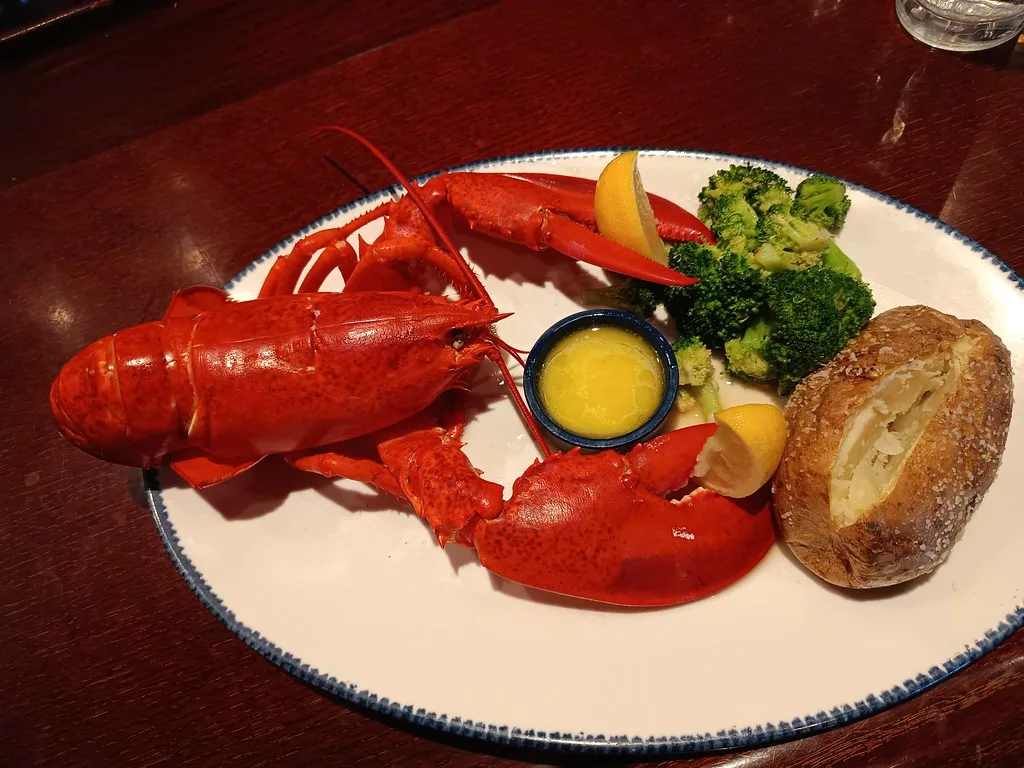
The difference between perfectly cooked lobster and overcooked lobster is dramatic. Perfectly cooked lobster meat is succulent, slightly firm, and easily pulls away from the shell. Visually, it will be opaque white, sometimes with a hint of pinkish-orange color, especially if it’s a female lobster that had roe.
Overcooked lobster, on the other hand, will appear dry and chalky. The meat will look tightly packed and can even start to shrink away from the shell dramatically. It loses its plumpness and becomes tough and rubbery, a clear sign that it has spent too much time in the heat.
The Color and Opacity Tells: Knowing When It's Done
When baking lobster, watch the flesh closely. Raw lobster meat is translucent, often with a slightly grayish or pinkish hue. As it cooks, this translucency will disappear, and the meat will become uniformly opaque white. This is your primary indicator that the protein strands are firming up and cooking through.
A final check involves gently probing the thickest part of the tail or claw meat with a fork or skewer. If it flakes easily and is no longer translucent, it's likely done. The color should be a clean white, not chalky or excessively browned. This visual shift is your go-to signal.
Common Visual Mistakes in Baking Lobster
Even with the best intentions, a few visual slip-ups can turn a potential masterpiece into a chewy disappointment. The most common error is simply relying on time rather than appearance to determine doneness. Lobsters, like many seafood items, have a very narrow window of perfect cooking, and oven temperatures can fluctuate.
When "Cooked" Means Rubbery: The Overdone Indicator
You'll see the meat starting to look dry and packed tightly within the shell. The once plump, juicy flesh becomes visibly less voluminous and seems to pull away from the shell too easily, indicating moisture loss. It might also take on a slightly granular or chalky texture visually, rather than a smooth, appealing sheen.
Underbaked Lobster: What It Looks Like (and Why It's Bad)
If you pull your lobster out too soon, the meat will still look translucent, especially towards the thicker parts of the tail or claw. It might retain a slightly gelatinous appearance, and when you try to probe it with a fork, it won't flake easily. This undercooked lobster isn't just unappetizing; it can also pose a food safety risk, as raw or undercooked shellfish can harbor harmful bacteria.
Easier Ways to Get to Delicious Lobster Meat
Sometimes, the idea of a whole baked lobster feels a bit daunting, or maybe you just want to get to the good part faster. Thankfully, there are a couple of excellent alternatives that often make the process even simpler and quicker, especially if you're watching visual cues. These methods highlight the meat itself, making it easier to achieve that perfect bake.
Baked Lobster Tail Recipe: A Visual Snapshot
Lobster tails are, for many, the most appealing part of the lobster. Baking just the tails streamlines the process significantly. You'll typically see lobsters cut into tails, with the top shell already removed or split.
When baking lobster tails, the visual of the meat turning opaque white from translucent pinkish-white is your main indicator. They cook much faster, so keeping a close eye on that color change is paramount. A perfectly baked tail will have firm, moist meat that flakes readily.
What a Beautifully Baked Lobster Presentation Looks Like
The final visual is what counts when you serve your creation. A properly baked whole lobster, split lengthwise, should show plump, white meat nestled in the shell, often glistening with butter and herbs. The shell itself will have turned a vibrant red.
For tails, you'll see the fan-shaped meat, white and tender, often brushed with a flavorful sauce. The visual appeal is about that perfect balance: moist, opaque meat, a beautifully colored shell, and enticing garnishes. It’s a feast for the eyes before it even hits the plate.
Baking Lobster Tail vs. Whole Lobster: What Changes Visually
When you're deciding between baking a whole lobster or just the tails, think about the visual outcome and the cooking process. Baking a whole lobster is often seen as more dramatic, with both halves presented on the shell. The visual is of a larger, more substantial portion.
Lobster tails, on the other hand, cook faster and allow for easier access to the meat. Visually, you're focused on the individual meat portion turning opaque white. Both methods require attention to the same visual cues for doneness, the translucency to opacity shift, but the timing and presentation differ.
Quick Baked Lobster Tail Recipe: A Visual Snapshot
To get a quick, visually appealing lobster dish, focus on the tails. Preheat your oven to 425°F (220°C). Take your lobster tails (about 4-6 oz each), and make a lengthwise cut through the top of the shell and meat, stopping just short of the tail fin.
Open the tail and gently pull the meat up and over the shell, what’s sometimes called ‘bacon-style’. Brush the meat generously with melted butter mixed with garlic, lemon juice, and a pinch of paprika. You’ll see the butter and seasonings coating the meat.
Bake for about 10-15 minutes, or until the meat is opaque white and firm to the touch. The visual goal is moist, succulent meat with a glossy finish from the butter sauce.
When to Bring in the Pros for Seafood Prep
While baking lobster at home is usually manageable, there are moments when seeking professional help makes sense. If you're preparing for a very large gathering and lack confidence in your ability to prep many lobsters quickly and cleanly, a trusted fishmonger can often split and even devein them for you. This saves time and ensures a consistent visual presentation across all your dishes.
Also, if you're a complete novice and the idea of handling live or even fresh-dead lobsters feels intimidating, many seafood markets will happily prepare them for you. They have the right tools and experience to do it safely and efficiently. This allows you to focus on the baking and flavoring, trusting that the initial prep is handled correctly.
Beyond the Bake: Other Ways to Cook Lobster with Visuals
While baking lobster in the oven is a fantastic method, it's not the only way to enjoy this delicacy. Understanding alternative cooking styles helps you choose the best approach based on your desired texture and the occasion. Each method offers a distinct visual and textural outcome.
For example, boiling or steaming lobster offers a straightforward way to cook the entire creature. Visually, you'll see the lobster turn a bright, saturated red as it cooks in the pot. This method is often favored for its simplicity and for yielding very moist meat, ideal if you plan to extract the meat for other dishes like salads or bisques.
Beyond the Bake: Other Ways to Cook Lobster with Visuals
While baking lobster in the oven is a fantastic method, it's not the only way to enjoy this delicacy. Understanding alternative cooking styles helps you choose the best approach based on your desired texture and the occasion. Each method offers a distinct visual and textural outcome.
For example, boiling or steaming lobster offers a straightforward way to cook the entire creature. Visually, you'll see the lobster turn a bright, saturated red as it cooks in the pot. This method is often favored for its simplicity and for yielding very moist meat, ideal if you plan to extract the meat for other dishes like salads or bisques.
Grilling lobster, on the other hand, imparts a smoky flavor and can create slightly charred, caramelized edges on the meat. You'll see grill marks on the shell and sometimes a touch of char on the exposed meat, offering a rustic visual appeal. This method is excellent for outdoor cooking and provides a distinct flavor profile that baking alone can't replicate. Broiling is also very similar to baking but uses direct, intense heat from above, which can quickly crisp the top of the lobster.
Beyond the Bake: Other Ways to Cook Lobster with Visuals
While baking lobster in the oven is a fantastic method, it's not the only way to enjoy this delicacy. Understanding alternative cooking styles helps you choose the best approach based on your desired texture and the occasion. Each method offers a distinct visual and textural outcome.
For example, boiling or steaming lobster offers a straightforward way to cook the entire creature. Visually, you'll see the lobster turn a bright, saturated red as it cooks in the pot. This method is often favored for its simplicity and for yielding very moist meat, ideal if you plan to extract the meat for other dishes like salads or bisques.
Grilling lobster, on the other hand, imparts a smoky flavor and can create slightly charred, caramelized edges on the meat. You'll see grill marks on the shell and sometimes a touch of char on the exposed meat, offering a rustic visual appeal. This method is excellent for outdoor cooking and provides a distinct flavor profile that baking alone can't replicate. Broiling is also very similar to baking but uses direct, intense heat from above, which can quickly crisp the top of the lobster.
If you're aiming for a robust, caramelized flavor with those desirable crispy edges, consider grilling or broiling. If you prioritize tender, moist meat that's easy to extract for other uses, boiling or steaming might be your go-to. Baking provides a balance, offering a slightly less intense flavor but excellent texture with minimal fuss.
Beyond the Bake: Other Ways to Cook Lobster with Visuals
While baking lobster in the oven is a fantastic method, it's not the only way to enjoy this delicacy. Understanding alternative cooking styles helps you choose the best approach based on your desired texture and the occasion. Each method offers a distinct visual and textural outcome.
For example, boiling or steaming lobster offers a straightforward way to cook the entire creature. Visually, you'll see the lobster turn a bright, saturated red as it cooks in the pot. This method is often favored for its simplicity and for yielding very moist meat, ideal if you plan to extract the meat for other dishes like salads or bisques.
Grilling lobster, on the other hand, imparts a smoky flavor and can create slightly charred, caramelized edges on the meat. You'll see grill marks on the shell and sometimes a touch of char on the exposed meat, offering a rustic visual appeal. This method is excellent for outdoor cooking and provides a distinct flavor profile that baking alone can't replicate. Broiling is also very similar to baking but uses direct, intense heat from above, which can quickly crisp the top of the lobster.
If you're aiming for a robust, caramelized flavor with those desirable crispy edges, consider grilling or broiling. If you prioritize tender, moist meat that's easy to extract for other uses, boiling or steaming might be your go-to. Baking provides a balance, offering a slightly less intense flavor but excellent texture with minimal fuss. As of 2026, these methods continue to be popular choices for home cooks seeking to prepare lobster.
Beyond the Bake: Other Ways to Cook Lobster with Visuals
While baking lobster in the oven is a fantastic method, it's not the only way to enjoy this delicacy. Understanding alternative cooking styles helps you choose the best approach based on your desired texture and the occasion. Each method offers a distinct visual and textural outcome.
For example, boiling or steaming lobster offers a straightforward way to cook the entire creature. Visually, you'll see the lobster turn a bright, saturated red as it cooks in the pot. This method is often favored for its simplicity and for yielding very moist meat, ideal if you plan to extract the meat for other dishes like salads or bisques.
Grilling lobster, on the other hand, imparts a smoky flavor and can create slightly charred, caramelized edges on the meat. You'll see grill marks on the shell and sometimes a touch of char on the exposed meat, offering a rustic visual appeal. This method is excellent for outdoor cooking and provides a distinct flavor profile that baking alone can't replicate. Broiling is also very similar to baking but uses direct, intense heat from above, which can quickly crisp the top of the lobster.
If you're aiming for a robust, caramelized flavor with those desirable crispy edges, consider grilling or broiling. If you prioritize tender, moist meat that's easy to extract for other uses, boiling or steaming might be your go-to. Baking provides a balance, offering a slightly less intense flavor but excellent texture with minimal fuss. As of 2026, these methods continue to be popular choices for home cooks seeking to prepare lobster.
Is Baking Lobster the Easiest Method?
For many home cooks, baking lobster in the oven is considered one of the easiest methods. This is primarily because it requires minimal active cooking time and less specialized equipment than, say, grilling. Once the lobster is prepped and in the oven, you can mostly let it do its thing, reapplying butter or checking for doneness periodically.
The visual cues for baking are also quite straightforward, focusing on the color and opacity of the meat. Compared to the precise timing and heat management needed for grilling or broiling, or the large pot of boiling water required for boiling, baking often feels more forgiving. This makes it a great entry point for those new to cooking lobster.
Beyond the Bake: Other Ways to Cook Lobster with Visuals
While baking lobster in the oven is a fantastic method, it's not the only way to enjoy this delicacy. Understanding alternative cooking styles helps you choose the best approach based on your desired texture and the occasion. Each method offers a distinct visual and textural outcome.
For example, boiling or steaming lobster offers a straightforward way to cook the entire creature. Visually, you'll see the lobster turn a bright, saturated red as it cooks in the pot. This method is often favored for its simplicity and for yielding very moist meat, ideal if you plan to extract the meat for other dishes like salads or bisques.
Grilling lobster, on the other hand, imparts a smoky flavor and can create slightly charred, caramelized edges on the meat. You'll see grill marks on the shell and sometimes a touch of char on the exposed meat, offering a rustic visual appeal. This method is excellent for outdoor cooking and provides a distinct flavor profile that baking alone can't replicate. Broiling is also very similar to baking but uses direct, intense heat from above, which can quickly crisp the top of the lobster.
If you're aiming for a robust, caramelized flavor with those desirable crispy edges, consider grilling or broiling. If you prioritize tender, moist meat that's easy to extract for other uses, boiling or steaming might be your go-to. Baking provides a balance, offering a slightly less intense flavor but excellent texture with minimal fuss. As of 2026, these methods continue to be popular choices for home cooks seeking to prepare lobster.
Is Baking Lobster the Easiest Method?
For many home cooks, baking lobster in the oven is considered one of the easiest methods. This is primarily because it requires minimal active cooking time and less specialized equipment than, say, grilling. Once the lobster is prepped and in the oven, you can mostly let it do its thing, reapplying butter or checking for doneness periodically.
The visual cues for baking are also quite straightforward, focusing on the color and opacity of the meat. Compared to the precise timing and heat management needed for grilling or broiling, or the large pot of boiling water required for boiling, baking often feels more forgiving. This makes it a great entry point for those new to cooking lobster.
Beyond the Bake: Other Ways to Cook Lobster with Visuals
While baking lobster in the oven is a fantastic method, it's not the only way to enjoy this delicacy. Understanding alternative cooking styles helps you choose the best approach based on your desired texture and the occasion. Each method offers a distinct visual and textural outcome.
For example, boiling or steaming lobster offers a straightforward way to cook the entire creature. Visually, you'll see the lobster turn a bright, saturated red as it cooks in the pot. This method is often favored for its simplicity and for yielding very moist meat, ideal if you plan to extract the meat for other dishes like salads or bisques.
Grilling lobster, on the other hand, imparts a smoky flavor and can create slightly charred, caramelized edges on the meat. You'll see grill marks on the shell and sometimes a touch of char on the exposed meat, offering a rustic visual appeal. This method is excellent for outdoor cooking and provides a distinct flavor profile that baking alone can't replicate. Broiling is also very similar to baking but uses direct, intense heat from above, which can quickly crisp the top of the lobster.
If you're aiming for a robust, caramelized flavor with those desirable crispy edges, consider grilling or broiling. If you prioritize tender, moist meat that's easy to extract for other uses, boiling or steaming might be your go-to. Baking provides a balance, offering a slightly less intense flavor but excellent texture with minimal fuss. As of 2026, these methods continue to be popular choices for home cooks seeking to prepare lobster.
Is Baking Lobster the Easiest Method?
For many home cooks, baking lobster in the oven is considered one of the easiest methods. This is primarily because it requires minimal active cooking time and less specialized equipment than, say, grilling. Once the lobster is prepped and in the oven, you can mostly let it do its thing, reapplying butter or checking for doneness periodically.
The visual cues for baking are also quite straightforward, focusing on the color and opacity of the meat. Compared to the precise timing and heat management needed for grilling or broiling, or the large pot of boiling water required for boiling, baking often feels more forgiving. This makes it a great entry point for those new to cooking lobster.
Beyond the Bake: Other Ways to Cook Lobster with Visuals
While baking lobster in the oven is a fantastic method, it's not the only way to enjoy this delicacy. Understanding alternative cooking styles helps you choose the best approach based on your desired texture and the occasion. Each method offers a distinct visual and textural outcome.
For example, boiling or steaming lobster offers a straightforward way to cook the entire creature. Visually, you'll see the lobster turn a bright, saturated red as it cooks in the pot. This method is often favored for its simplicity and for yielding very moist meat, ideal if you plan to extract the meat for other dishes like salads or bisques.
Grilling lobster, on the other hand, imparts a smoky flavor and can create slightly charred, caramelized edges on the meat. You'll see grill marks on the shell and sometimes a touch of char on the exposed meat, offering a rustic visual appeal. This method is excellent for outdoor cooking and provides a distinct flavor profile that baking alone can't replicate. Broiling is also very similar to baking but uses direct, intense heat from above, which can quickly crisp the top of the lobster.
If you're aiming for a robust, caramelized flavor with those desirable crispy edges, consider grilling or broiling. If you prioritize tender, moist meat that's easy to extract for other uses, boiling or steaming might be your go-to. Baking provides a balance, offering a slightly less intense flavor but excellent texture with minimal fuss. As of 2026, these methods continue to be popular choices for home cooks seeking to prepare lobster.
Is Baking Lobster the Easiest Method?
For many home cooks, baking lobster in the oven is considered one of the easiest methods. This is primarily because it requires minimal active cooking time and less specialized equipment than, say, grilling. Once the lobster is prepped and in the oven, you can mostly let it do its thing, reapplying butter or checking for doneness periodically.
The visual cues for baking are also quite straightforward, focusing on the color and opacity of the meat. Compared to the precise timing and heat management needed for grilling or broiling, or the large pot of boiling water required for boiling, baking often feels more forgiving. This makes it a great entry point for those new to cooking lobster.
Beyond the Bake: Other Ways to Cook Lobster with Visuals
While baking lobster in the oven is a fantastic method, it's not the only way to enjoy this delicacy. Understanding alternative cooking styles helps you choose the best approach based on your desired texture and the occasion. Each method offers a distinct visual and textural outcome.
For example, boiling or steaming lobster offers a straightforward way to cook the entire creature. Visually, you'll see the lobster turn a bright, saturated red as it cooks in the pot. This method is often favored for its simplicity and for yielding very moist meat, ideal if you plan to extract the meat for other dishes like salads or bisques.
Grilling lobster, on the other hand, imparts a smoky flavor and can create slightly charred, caramelized edges on the meat. You'll see grill marks on the shell and sometimes a touch of char on the exposed meat, offering a rustic visual appeal. This method is excellent for outdoor cooking and provides a distinct flavor profile that baking alone can't replicate. Broiling is also very similar to baking but uses direct, intense heat from above, which can quickly crisp the top of the lobster.
If you're aiming for a robust, caramelized flavor with those desirable crispy edges, consider grilling or broiling. If you prioritize tender, moist meat that's easy to extract for other uses, boiling or steaming might be your go-to. Baking provides a balance, offering a slightly less intense flavor but excellent texture with minimal fuss. As of 2026, these methods continue to be popular choices for home cooks seeking to prepare lobster.
Is Baking Lobster the Easiest Method?
For many home cooks, baking lobster in the oven is considered one of the easiest methods. This is primarily because it requires minimal active cooking time and less specialized equipment than, say, grilling. Once the lobster is prepped and in the oven, you can mostly let it do its thing, reapplying butter or checking for doneness periodically.
The visual cues for baking are also quite straightforward, focusing on the color and opacity of the meat. Compared to the precise timing and heat management needed for grilling or broiling, or the large pot of boiling water required for boiling, baking often feels more forgiving. This makes it a great entry point for those new to cooking lobster.
Beyond the Bake: Other Ways to Cook Lobster with Visuals
While baking lobster in the oven is a fantastic method, it's not the only way to enjoy this delicacy. Understanding alternative cooking styles helps you choose the best approach based on your desired texture and the occasion. Each method offers a distinct visual and textural outcome.
For example, boiling or steaming lobster offers a straightforward way to cook the entire creature. Visually, you'll see the lobster turn a bright, saturated red as it cooks in the pot. This method is often favored for its simplicity and for yielding very moist meat, ideal if you plan to extract the meat for other dishes like salads or bisques.
Grilling lobster, on the other hand, imparts a smoky flavor and can create slightly charred, caramelized edges on the meat. You'll see grill marks on the shell and sometimes a touch of char on the exposed meat, offering a rustic visual appeal. This method is excellent for outdoor cooking and provides a distinct flavor profile that baking alone can't replicate. Broiling is also very similar to baking but uses direct, intense heat from above, which can quickly crisp the top of the lobster.
If you're aiming for a robust, caramelized flavor with those desirable crispy edges, consider grilling or broiling. If you prioritize tender, moist meat that's easy to extract for other uses, boiling or steaming might be your go-to. Baking provides a balance, offering a slightly less intense flavor but excellent texture with minimal fuss. As of 2026, these methods continue to be popular choices for home cooks seeking to prepare lobster.
Is Baking Lobster the Easiest Method?
For many home cooks, baking lobster in the oven is considered one of the easiest methods. This is primarily because it requires minimal active cooking time and less specialized equipment than, say, grilling. Once the lobster is prepped and in the oven, you can mostly let it do its thing, reapplying butter or checking for doneness periodically.
The visual cues for baking are also quite straightforward, focusing on the color and opacity of the meat. Compared to the precise timing and heat management needed for grilling or broiling, or the large pot of boiling water required for boiling, baking often feels more forgiving. This makes it a great entry point for those new to cooking lobster.
Beyond the Bake: Other Ways to Cook Lobster with Visuals
While baking lobster in the oven is a fantastic method, it's not the only way to enjoy this delicacy. Understanding alternative cooking styles helps you choose the best approach based on your desired texture and the occasion. Each method offers a distinct visual and textural outcome.
For example, boiling or steaming lobster offers a straightforward way to cook the entire creature. Visually, you'll see the lobster turn a bright, saturated red as it cooks in the pot. This method is often favored for its simplicity and for yielding very moist meat, ideal if you plan to extract the meat for other dishes like salads or bisques.
Grilling lobster, on the other hand, imparts a smoky flavor and can create slightly charred, caramelized edges on the meat. You'll see grill marks on the shell and sometimes a touch of char on the exposed meat, offering a rustic visual appeal. This method is excellent for outdoor cooking and provides a distinct flavor profile that baking alone can't replicate. Broiling is also very similar to baking but uses direct, intense heat from above, which can quickly crisp the top of the lobster.
If you're aiming for a robust, caramelized flavor with those desirable crispy edges, consider grilling or broiling. If you prioritize tender, moist meat that's easy to extract for other uses, boiling or steaming might be your go-to. Baking provides a balance, offering a slightly less intense flavor but excellent texture with minimal fuss. As of 2026, these methods continue to be popular choices for home cooks seeking to prepare lobster.
Is Baking Lobster the Easiest Method?
For many home cooks, baking lobster in the oven is considered one of the easiest methods. This is primarily because it requires minimal active cooking time and less specialized equipment than, say, grilling. Once the lobster is prepped and in the oven, you can mostly let it do its thing, reapplying butter or checking for doneness periodically.
The visual cues for baking are also quite straightforward, focusing on the color and opacity of the meat. Compared to the precise timing and heat management needed for grilling or broiling, or the large pot of boiling water required for boiling, baking often feels more forgiving. This makes it a great entry point for those new to cooking lobster.
Beyond the Bake: Other Ways to Cook Lobster with Visuals
While baking lobster in the oven is a fantastic method, it's not the only way to enjoy this delicacy. Understanding alternative cooking styles helps you choose the best approach based on your desired texture and the occasion. Each method offers a distinct visual and textural outcome.
For example, boiling or steaming lobster offers a straightforward way to cook the entire creature. Visually, you'll see the lobster turn a bright, saturated red as it cooks in the pot. This method is often favored for its simplicity and for yielding very moist meat, ideal if you plan to extract the meat for other dishes like salads or bisques.
Grilling lobster, on the other hand, imparts a smoky flavor and can create slightly charred, caramelized edges on the meat. You'll see grill marks on the shell and sometimes a touch of char on the exposed meat, offering a rustic visual appeal. This method is excellent for outdoor cooking and provides a distinct flavor profile that baking alone can't replicate. Broiling is also very similar to baking but uses direct, intense heat from above, which can quickly crisp the top of the lobster.
If you're aiming for a robust, caramelized flavor with those desirable crispy edges, consider grilling or broiling. If you prioritize tender, moist meat that's easy to extract for other uses, boiling or steaming might be your go-to. Baking provides a balance, offering a slightly less intense flavor but excellent texture with minimal fuss. As of 2026, these methods continue to be popular choices for home cooks seeking to prepare lobster.
Is Baking Lobster the Easiest Method?
For many home cooks, baking lobster in the oven is considered one of the easiest methods. This is primarily because it requires minimal active cooking time and less specialized equipment than, say, grilling. Once the lobster is prepped and in the oven, you can mostly let it do its thing, reapplying butter or checking for doneness periodically.
The visual cues for baking are also quite straightforward, focusing on the color and opacity of the meat. Compared to the precise timing and heat management needed for grilling or broiling, or the large pot of boiling water required for boiling, baking often feels more forgiving. This makes it a great entry point for those new to cooking lobster.