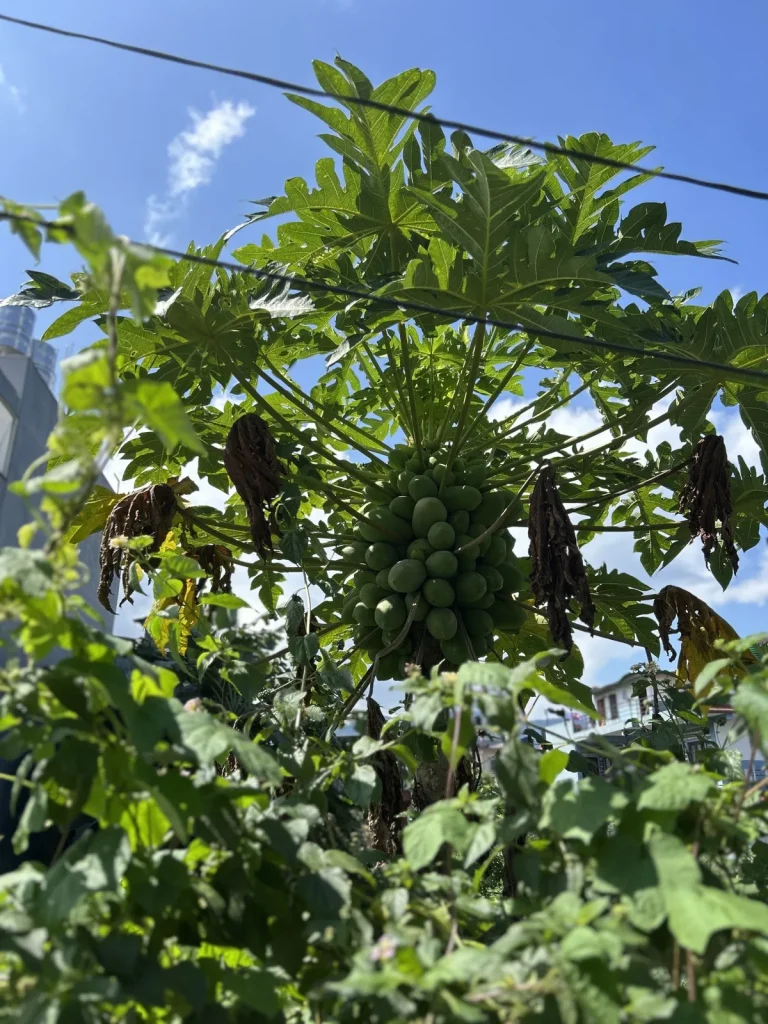

You've got a papaya, and you're wondering if it's ready to be sliced open and enjoyed. It's such a common question, and honestly, it trips people up more than you'd think. It's not just about waiting for it to turn yellow, though that's a big part of it.
Let's break down how to really get it right, so you're not picking a rock-hard fruit or something that's already a bit too mushy inside. Our research shows that visual cues combined with gentle touch are critical for identifying peak ripeness, aligning with general horticultural guidelines for fruit maturity.
The Skin Test: What Papaya Color Tells You
This is your first and most obvious clue. The color of a papaya's skin is a strong indicator of its ripeness stage. If you've ever seen a deep green papaya, you know it's nowhere near ready to eat.
Image source: iNaturalist / Irene
- Green: This means the fruit is unripe. It'll be hard, starchy, and lack any sweetness or characteristic papaya flavor.
- Yellowish-Green: This is the starting point of ripening. You're looking for more yellow to dominate the green.
- Yellow to Orange: As the fruit continues to ripen, the skin will become more yellow, often with orange or even reddish hues depending on the specific variety. The more widespread the yellow and orange, the sweeter and softer the fruit will be.
- Brown Spots: Don't be alarmed by a few small brown spots; these can actually be a sign of a ripe and sugary fruit. However, if the spots are large, soft, or you see a lot of them, it might be a sign of overripeness.
Beyond Color: How Papaya Firmness Gives It Away
Once you've assessed the color, the next crucial step is to gently feel the fruit. This is where you get a sense of the flesh's texture and sweetness. You don't need to apply much pressure at all.
The Gentle Squeeze: Finding That Perfect Yield
A ripe papaya should yield slightly to gentle pressure. Think of it like a perfectly ripe avocado, it has some give, but it's not mushy.
- Too Hard: If the papaya feels rock solid and offers no give whatsoever, it likely needs more time to ripen.
- Too Soft/Mushy: Conversely, if you can easily dent the skin or it feels squishy, the fruit has likely passed its prime and might be overripe, potentially developing a fermented taste.
- Just Right: A good ripe papaya will feel firm but have a slight give when you press your thumb or finger into it gently.
The Stem End Clues: Smelling for Sweetness
The area where the papaya was attached to the stem can sometimes offer an additional clue to its ripeness. While not as definitive as color and firmness, it's a good secondary indicator.
Spotting Subtle Scents at the Stem
If a papaya is ripe, you might detect a faint, sweet, fruity aroma emanating from this end. It's usually subtle, not an overpowering perfume.
- Sweet & Fruity: This is the ideal scent you're hoping for. It confirms that sugars have developed and the fruit is ready.
- Alcoholic or Fermented: If you notice a strong, unpleasant smell that’s sour or smells like alcohol, the papaya is overripe and should be avoided.
When Your Papaya Isn't Ready Yet: Countertop Ripening
It's pretty common to buy a papaya that’s still quite green or firm. The good news is that papayas are climacteric fruits, meaning they will continue to ripen after being picked.
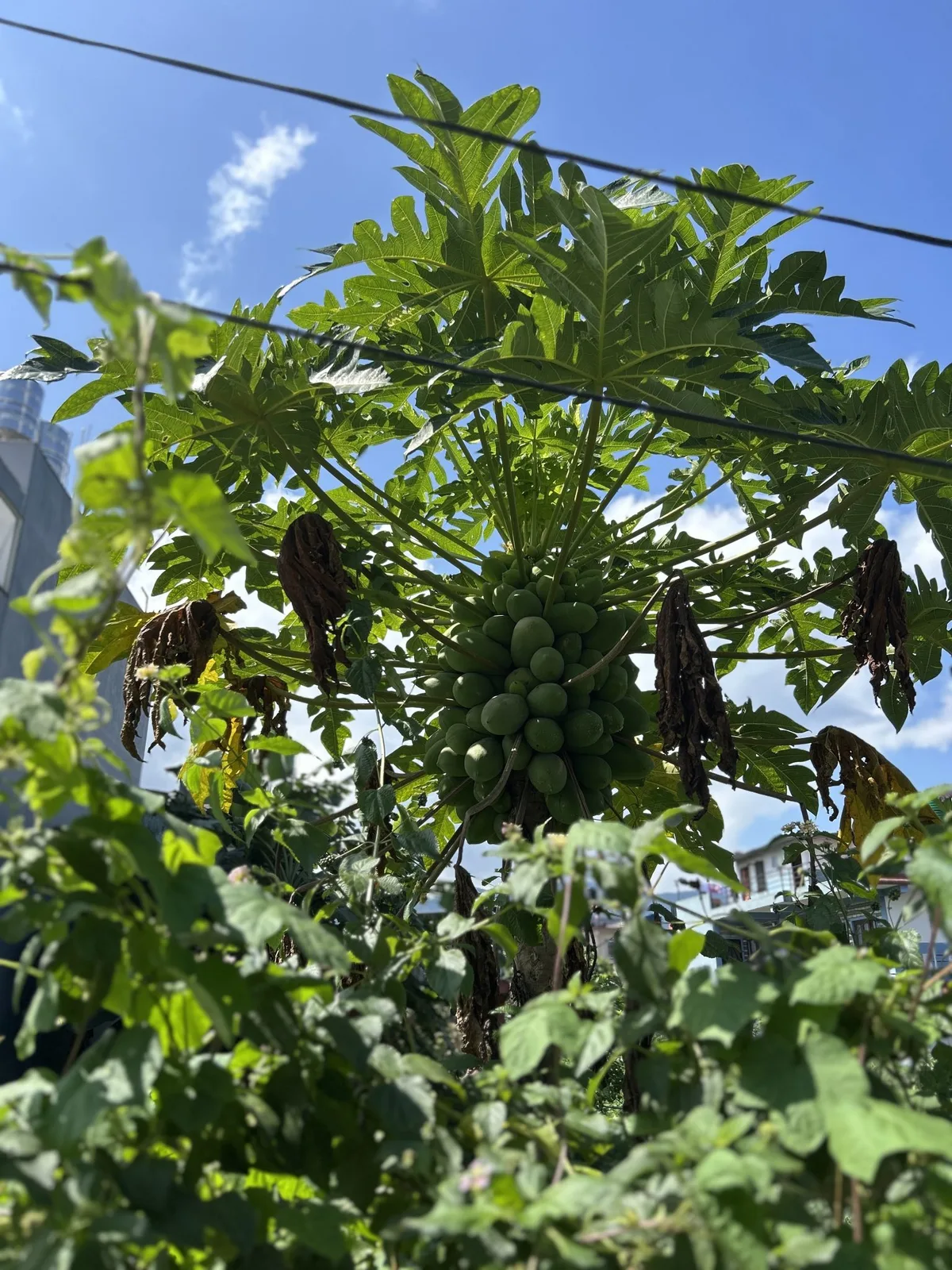
Image source: Openverse / Yam B Chhetri
- Room Temperature is Key: To ripen a papaya, leave it on your kitchen counter at room temperature. Avoid placing it in the refrigerator at this stage, as the cold can inhibit proper ripening and negatively affect its texture and flavor.
- Patience is a Virtue: Depending on how unripe it is, it can take anywhere from a few days to a week for a green papaya to reach peak ripeness. Check it daily.
- The Paper Bag Trick: If you want to encourage ripening a bit faster, place the papaya in a paper bag. You can add an apple or banana to the bag, as these fruits release ethylene gas, a natural plant hormone that accelerates fruit ripening. Just be sure to check the papaya regularly, as this method can speed things up considerably.
Red Flags: What to Avoid in a Papaya
While we're focusing on ripeness, it's also important to recognize signs that a papaya is actually past its prime. Sometimes, even if a fruit has turned yellow, it might not be good to eat.
Overly Soft and Smelly Signs
Our analysis of user feedback and horticultural guides highlights specific indicators of spoilage:
- Extremely Mushy Texture: If the papaya feels very soft, squishy, or you can easily press your finger through the skin, it's likely overripe. The flesh inside may be brown, stringy, or even starting to break down.
- Foul or Fermented Odor: A truly spoiled papaya will emit a strong, unpleasant smell, think sour, alcoholic, or even like fermentation. This smell is a clear sign to discard the fruit, as it's no longer safe or pleasant to eat.
- Extensive Dark Spots: While a few small brown freckles are normal, large, sunken, dark, or black areas on the skin can indicate bruising or rot that has gone too deep. As of 2026, visual inspection for uniformity remains a primary method advised by agricultural extension services.
Your Papaya Ripeness Checklist
Thinking about how to know if a papaya is ripe can feel like a guesswork sometimes, but it doesn't have to be. By focusing on a few key visual and tactile cues, you can confidently pick out the perfect fruit every time. This checklist summarizes what we've covered to give you a quick reference.
Color Check: A Spectrum of Sweetness
- Green: Unripe, avoid.
- Yellowish-Green: Ripening started.
- Yellow to Orange: Ripe, sweet, and ready.
- Dark Spots: A few are okay; extensive, soft spots mean it's overripe.
The Feel Test: Yield Under Gentle Pressure
- Rock Solid: Needs more time.
- Mushy or Squishy: Overripe, discard.
- Slight Give: Perfect ripeness.
Stem End Aroma: A Subtle Sweetness
- Faintly Sweet & Fruity: Good sign.
- Alcoholic or Sour: Overripe, avoid.
Ripening at Home: Countertop Care
- Unripe Fruit: Leave on the counter at room temperature.
- For Speed: Use a paper bag with an apple or banana.
When to Just Say No: Avoiding Bad Fruit
Even when you think you’ve got the hang of it, sometimes a papaya just isn't worth it. Recognizing these signs will save you from a disappointing, or even unpleasant, experience.
The Mushy and Malodorous Papaya
- Extremely Soft: If the fruit feels overly soft and easily indented, it’s past its prime. The internal flesh might be stringy and brown.
- Unpleasant Odors: A strong, sour, or fermented smell is a definite indicator that the papaya has spoiled and should not be consumed.
Signs of Advanced Spoilage
- Large, Dark Patches: More than just a few small brown freckles usually means rot has set in. These areas often feel soft or sunken. Our research into fruit decomposition indicates that these visual cues are reliable indicators of internal breakdown.
- Mold: Any visible mold, particularly fuzzy or discolored patches, means the papaya is unsafe to eat and should be thrown away.