
Figuring out the best ways to cook bok choy can feel a bit overwhelming, especially when you want to get it just right without turning it into mush. You’ve probably seen it on menus or in recipes, with its crisp white stems and tender green leaves. The good news is, whether you're aiming for a quick weeknight meal or a delicate side dish, bok choy is wonderfully versatile.
Our research pulls from culinary insights and food science to show you the most effective methods. For instance, a typical serving of bok choy provides about 95% of the daily recommended Vitamin C intake. Let’s get into how to prepare this nutrient-packed green so it always turns out delicious.
Stir-Frying Bok Choy: Quick, Crispy, and Packed with Flavor
Stir-frying is fantastic for bok choy because it cooks fast, locking in that satisfying crunch. This method works by using high heat and constant movement to cook the vegetables quickly and evenly. If you’ve ever ended up with soggy, overcooked greens, that’s usually a sign it spent too long on the heat.
Here’s why stir-frying is a top choice:
- Speed: It takes mere minutes from pan to plate.
- Texture: It preserves the crispness of the stems and the tenderness of the leaves.
- Flavor: High heat helps develop slightly caramelized notes.
To nail stir-fried bok choy, separate the stems from the leaves first. The stems need a little more time to cook, so they go into the hot wok or pan a minute or two before the leaves. Aim for a minute or two for the stems, then toss in the leaves until they just begin to wilt. Don't crowd the pan; cook in batches if necessary to ensure everything gets a good sear instead of steaming.
Steaming Bok Choy: The Purest Way to Taste This Green
Steaming bok choy lets its natural, mild, slightly sweet flavor really shine through. This technique is super simple and healthy, as it doesn't require any added oil during the cooking process itself. It’s a great option if you’re looking for a clean, unadulterated taste of the vegetable.
When you steam bok choy, you're essentially using hot vapor to gently cook it. This is ideal for preserving its nutrients because there's no leaching into cooking water.
- Health-Focused: No oil needed during cooking, low calories.
- Nutrient Retention: Steaming is excellent for keeping vitamins intact.
- Simplicity: Requires minimal attention once it's in the steamer.
Prepare your bok choy by washing it thoroughly and cutting it into manageable pieces. You can steam whole baby bok choy or cut larger ones into quarters or halves. Place the bok choy in a steamer basket over boiling water and cover tightly. For baby bok choy, this usually takes about 3-5 minutes.
Larger pieces might need 5-7 minutes, until the stems are tender-crisp.
Sautéing Bok Choy: Simple, Savory, and Speedy
Sautéing bok choy is a close cousin to stir-frying, but often involves a bit more fat, like oil or butter, and might cook at a slightly lower temperature. It’s a straightforward method that still delivers great flavor and texture, making it perfect for a quick side dish.
This technique involves cooking the bok choy in a pan with a bit of fat over medium to medium-high heat. The fat helps conduct heat and adds richness to the final dish.
- Rich Flavor: The added fat contributes to a more savory taste.
- Versatile: Works well with a variety of aromatics and seasonings.
- Quick Cooking: Similar to stir-frying, it’s a fast method.
Start by heating a tablespoon or two of your preferred oil (like sesame or a neutral vegetable oil) or butter in a skillet over medium-high heat. Add minced garlic or ginger and let it sizzle for about 30 seconds until fragrant. Then, add your chopped bok choy, starting with the thicker stem pieces. Sauté for 2-3 minutes, stirring frequently, before adding the leafy parts and continuing to cook for another 2-3 minutes until everything is tender-crisp.
Blanching Bok Choy: A Textural Foundation for Other Dishes
Blanching bok choy is a quick dip in boiling water followed by an ice bath. This process shocks the vegetable, setting its vibrant green color and making the stems tender-crisp without overcooking. It’s often a preparatory step before other cooking methods, or it can be a way to soften it for salads.
The blanching process stops enzymes that would otherwise degrade the vegetable’s quality during storage or further cooking. Think of it as a power-up for texture and color.
- Color Preservation: Sets the bright green hue beautifully.
- Texture Control: Achieves a tender-crisp bite.
- Preparation Step: Ideal for softening before adding to cold dishes or as a quick precursor to sautéing.
To blanch, you'll need a pot of boiling water and a separate bowl filled with ice water. Dunk your bok choy pieces into the boiling water for about 60-90 seconds. Immediately transfer them to the ice bath; this stops the cooking process instantly. Once cooled, drain them well.
This technique is particularly good for baby bok choy if you want to add it to a salad, or for larger bok choy you plan to use in a cold appetizer.
Roasting Bok Choy: Caramelized Edges and Tender Hearts
Roasting bok choy brings out a wonderful sweetness through caramelization, giving the edges a slightly crispy, browned finish while the insides become tender. This method takes a bit longer than stir-frying or sautéing, but the depth of flavor it develops is truly rewarding. It transforms the humble green into something special.
Roasting uses dry heat in an oven, which concentrates the natural sugars in the bok choy. The high heat causes the edges to char just slightly, adding a pleasant, subtle smoky note to the dish.
- Sweet & Savory: Caramelization adds a deep, pleasing sweetness.
- Texture Contrast: Crispy edges meet tender, cooked interiors.
- Hands-Off Cooking: Once in the oven, it requires little supervision.
Preheat your oven to around 400°F (200°C). Toss your prepared bok choy (halved or quartered lengthwise works best for roasting) with a good drizzle of olive oil, salt, and pepper directly on a baking sheet. Make sure not to overcrowd the pan; give the pieces some space so they roast rather than steam. Roast for about 10-15 minutes, flipping halfway through, until the leaves are slightly crispy and the stems are tender when pierced with a fork.
Braising Bok Choy: Deep Flavor and Fork-Tender Stems
Braising bok choy is a slower cooking method that infuses the vegetable with rich, savory liquid, resulting in incredibly tender stems and softened leaves. This technique is perfect when you want bok choy to absorb flavors deeply, moving beyond a simple side dish to become an integral part of a sauce or stew. It’s a patient approach that yields a wonderfully mellow texture.
This process involves searing the bok choy lightly, then simmering it in a flavorful broth or liquid over low heat for an extended period. Low and slow is the name of the game here, allowing the tough fibers in the stems to break down completely.
- Flavor Infusion: Bok choy absorbs aromatic liquids, becoming deeply flavorful.
- Melt-in-Your-Mouth Texture: Stems become exceptionally tender, almost creamy.
- Great for Soups & Stews: Adds body and a subtle vegetal note to larger dishes.
To braise, start by searing your bok choy pieces, cut larger ones into manageable lengths. In a pot or Dutch oven, heat a little oil and brown the bok choy stems for a few minutes. Then, add your braising liquid, think vegetable broth, chicken broth, or even a mixture with soy sauce and a touch of rice wine. Bring it to a simmer, cover tightly, and let it cook for 15-25 minutes, or until the stems are easily pierced with a fork.
Raw Bok Choy: Crisp Texture in Salads and Slaws
Eating bok choy raw might not be the first thing you think of, but it’s a fantastic way to enjoy its vibrant crunch and fresh, slightly peppery flavor. This method is ideal for incorporating bok choy into dishes where a crisp, refreshing element is needed, like salads or slaws. The key is preparation to ensure it’s palatable and easy to eat.
When raw, bok choy retains all its nutrients and offers a satisfying bite that wilts beautifully under dressing. It’s a no-cook option that’s incredibly quick and healthy.
- Maximum Freshness: Enjoy the raw, clean taste and vibrant green color.
- Ultimate Crunch: Provides a great textural contrast in salads and cold dishes.
- Nutrient Powerhouse: All vitamins and minerals are preserved.
For raw preparations, it’s best to use baby bok choy or just the tender leaves of mature bok choy. Finely shredding or thinly slicing the stalks (especially the more tender inner ones) makes them easier to chew. Toss with your favorite vinaigrette, or mix into a slaw with shredded carrots, cabbage, and a creamy dressing. Ensure you wash it thoroughly, as any grit will be quite noticeable in a raw dish.
Baby Bok Choy vs. Mature Bok Choy: What's the Difference When Cooking?
Understanding the difference between baby and mature bok choy is crucial for adjusting your cooking times and methods. Baby bok choy is essentially a younger, smaller version, harvested before it reaches full maturity. This means it has more tender stems and leaves right from the start.
Mature bok choy, on the other hand, is larger with more developed, fibrous stems. These differences directly impact how long each type needs to cook and what textures you can expect.
Baby Bok Choy Characteristics
- Size: Typically 4-6 inches tall.
- Stems: Thin, tender, and uniform in texture.
- Leaves: Delicate and quick to cook.
- Best Cooking Methods: Stir-frying, steaming, sautéing, or eating raw. It cooks very quickly.
Mature Bok Choy Characteristics
- Size: Can grow much larger, 10-12 inches or more.
- Stems: Thicker, more robust, and can be quite fibrous.
- Leaves: Larger and heartier.
- Best Cooking Methods: Braising, roasting, or cutting into smaller pieces for stir-fries and sautés to ensure even cooking. The stems often benefit from being cooked slightly longer or separately from the leaves.
Getting Bok Choy Ready: Washing and Prep Tips for Every Method
Proper preparation is key to enjoying bok choy, and that starts with thorough washing. The nooks and crannies between the stems and leaves can trap dirt and grit, which you definitely don't want in your finished dish. This step is non-negotiable, regardless of how you plan to cook it.
Here’s how to get your bok choy ready for the pan, steamer, or oven:
- Separate Leaves and Stems: For larger bok choy, trim off the base and separate the stalks from the leaves. This allows you to wash them individually and cook them according to their needs.
- Rinse Thoroughly: For both stems and leaves, rinse them under cool running water. Gently separate the leaves and run water between the stem layers to dislodge any soil. A salad spinner is excellent for removing excess water afterward.
- Chop as Needed: Cut the bok choy into bite-sized pieces. For methods like stir-frying, consistent sizing ensures even cooking. For roasting or braising, you might leave baby bok choy whole or halved, and larger ones quartered lengthwise.
Stems vs. Leaves: Cooking Them Perfectly for the Best Texture
One of the most common challenges when cooking bok choy is achieving the right texture, and that’s entirely down to how you handle the stems versus the leaves. The stems are denser and take longer to cook than the delicate leaves. If you cook them together for the same amount of time, you risk having mushy leaves and still-tough stems.
The most effective strategy is to give the stems a head start. This is a principle used in most cooking methods, from stir-frying to sautéing.
- Stems First: Always add the thicker stem pieces to the heat source before the leaves.
- Leaves Last: Toss in the leafy parts during the final minutes of cooking.
For example, when stir-frying, add your bok choy stems and cook them for 1-2 minutes until they start to soften slightly. Then, add the leaves and continue to cook, stirring, for another 1-3 minutes until the leaves are just wilted and the stems are tender-crisp. If you're braising or roasting, you can sometimes chop the stems into smaller pieces or cook them slightly longer before adding the leaves to the pot or pan.
Flavor Boosters: Sauces and Aromatics to Elevate Your Bok Choy
Adding a few key flavorings can transform plain bok choy into something truly special. Aromatics like garlic and ginger are fundamental to most Asian-inspired dishes and pair beautifully with the mild taste of bok choy. Together, they build a depth of flavor that elevates the vegetable from a simple side to a star.
Sauces and seasonings are where you can really customize your bok choy. Think of them as the finishing touches that tie everything together. A well-chosen sauce can add saltiness, umami, sweetness, and even a hint of spice, depending on your preference.
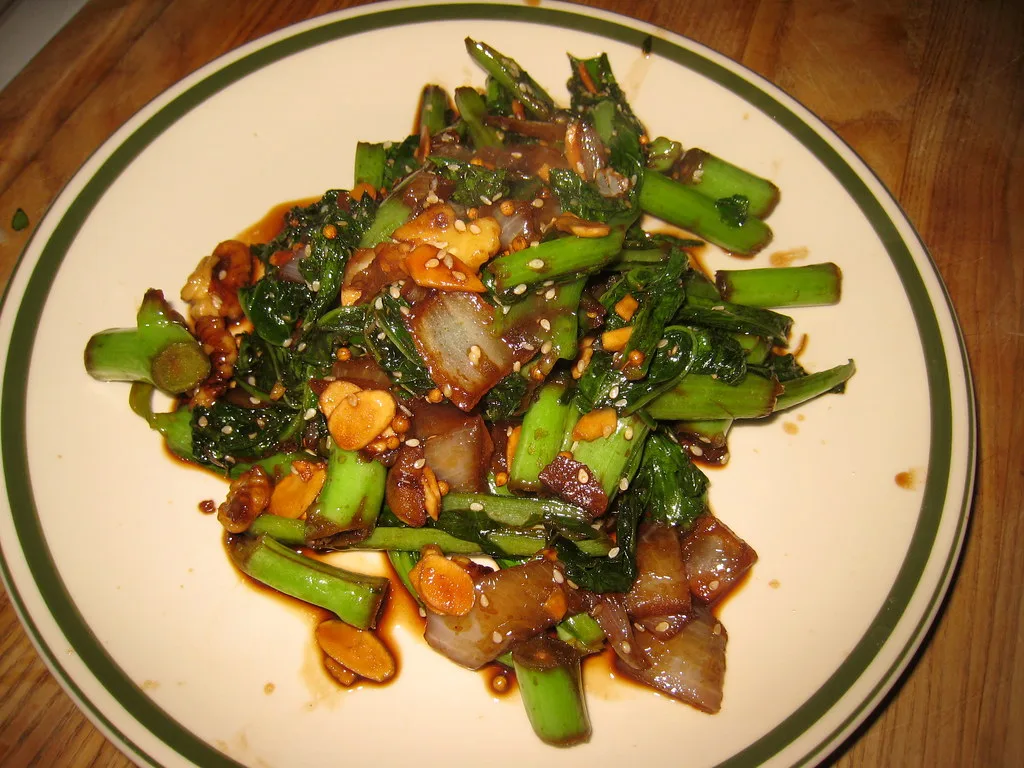
Here are some go-to flavor boosters:
- Garlic and Ginger: Finely minced or grated, these are often sautéed first in a bit of oil to release their fragrant oils.
- Soy Sauce or Tamari: Provides essential saltiness and umami. Use a light soy sauce for a milder flavor or tamari for a gluten-free option.
- Sesame Oil: A drizzle of toasted sesame oil at the end adds a nutty aroma and rich flavor.
- Oyster Sauce: Offers a complex savory-sweet profile that’s incredibly popular in Chinese cooking.
- Rice Vinegar: A splash can add a touch of brightness and acidity to cut through richness.
- Chili Flakes or Sriracha: For those who like a bit of heat.
When adding these, remember that stems can handle stronger flavors earlier in the cooking process, while delicate leaves are best seasoned toward the end to prevent them from becoming overpowering or mushy.
Bok Choy Cooking Mistakes to Steer Clear Of
Even with such a forgiving vegetable, there are a few common pitfalls that can lead to less-than-ideal bok choy. The most frequent mistake is overcooking, which turns those wonderfully crisp stems into a sad, waterlogged mess and wilts the leaves into oblivion. Another is not washing it thoroughly, leaving behind that gritty texture that can ruin an otherwise perfect dish.
Understanding these mistakes helps you avoid them and ensure delicious results every time. Most issues stem from improper heat management or insufficient prep work.
- Overcooking: This is the cardinal sin. Bok choy, especially baby bok choy, cooks very quickly. Overcooking leads to mushy texture and a loss of fresh flavor. If it looks limp and pale, it's likely overdone.
- Not Washing Properly: Dirt and sand hide in the base and between leaves. Always rinse thoroughly under cold running water, even if it looks clean.
- Uneven Cooking: Cooking stems and leaves together for the same duration causes one to be perfectly cooked while the other is either under- or over-done. Separate them or give stems a head start.
- Crowding the Pan: When stir-frying or sautéing, overloading the pan lowers the temperature, causing the bok choy to steam rather than sear. This leads to a soggy texture and less appealing flavor. Cook in batches if necessary.
Stir-Fry vs. Steam: Which Cooking Method is Best for You?
Deciding between stir-frying and steaming bok choy often comes down to what you're looking for in terms of flavor, texture, and time. Both are excellent, healthy ways to prepare this versatile green, but they offer slightly different results and suit different meal occasions.
- Choose Stir-Frying If: You want quick cooking, a slightly crisp-tender texture, and the ability to easily incorporate aromatics and sauces right in the pan. This method is ideal for a vibrant, flavorful side dish or as part of a main stir-fry meal. It’s generally faster and develops more complex flavors due to the high heat and browning.
- Choose Steaming If: You prioritize preserving the natural flavor and nutrients of the bok choy, or if you're looking for a very simple, oil-free preparation. Steaming yields a tender, clean-tasting vegetable that's perfect as a light side or for babies and those with sensitive digestive systems. It's also incredibly straightforward and requires minimal attention.
Baby Bok Choy vs. Mature Bok Choy: What's the Difference in Texture and Flavor?
The primary difference you'll notice between baby bok choy and its mature counterpart lies in their tenderness and flavor intensity. Baby bok choy is harvested when it's young and small, resulting in delicate, almost fully edible stalks and leaves that cook up quickly. It has a milder, sweeter taste and a pleasant, subtle crunch even when cooked briefly.
Mature bok choy is larger and more robust. Its stems are thicker and can be quite firm, sometimes even a bit fibrous if not cooked properly. The leaves are heartier as well. This means mature bok choy generally requires a bit more cooking time, and you might need to treat the stems and leaves separately to achieve the best balance of textures.
When to Use Which:
- Baby Bok Choy: Perfect for quick sautés, steaming whole, or adding to soups where it cooks down rapidly. Its delicate nature makes it ideal for dishes where you want a quick, tender green without much fuss.
- Mature Bok Choy: Better suited for braising or roasting where the longer cooking time can tenderize the thicker stems. If stir-frying, you'll want to chop it into smaller pieces and ensure the stems get a head start in the pan to cook evenly with the leaves.
Getting Bok Choy Ready: Washing and Prep Tips for Every Method
Proper preparation is absolutely critical for bok choy, ensuring you get rid of any lingering dirt or grit that can spoil the texture of your dish. The tightly packed leaves and thick stems can act like little traps for soil, so a thorough wash is non-negotiable. Giving your bok choy a good clean means you can enjoy its fresh flavor and satisfying crunch without any unpleasant surprises.
Here’s a breakdown of essential prep steps:
- Trim the Root: Start by trimming the tough root end at the base of the bok choy. This helps loosen the leaves and stems.
- Separate if Needed: For larger, mature bok choy, it’s often best to separate the thick stems from the leafy greens. This allows you to wash them more effectively and cook them at different times for optimal texture. Baby bok choy can usually be kept whole or halved lengthwise.
- Rinse Under Cold Water: Hold the bok choy under cool running water, gently fanning out the leaves and running water between the stem sections. Be diligent here, a good rinse is key.
- Dry Thoroughly: After washing, it’s important to dry the bok choy well. Excess water can lead to steaming rather than searing when stir-frying or sautéing. A salad spinner is excellent, or you can gently pat it dry with paper towels.
