
What Alcohol Is In Eggnog?
Ever take a sip of rich, creamy eggnog and wonder what gives it that special holiday warmth? You're not alone! Figuring out what alcohol is in eggnog often depends on whether you're reaching for a carton at the store or whipping it up yourself. While there's no single definitive spirit, certain liquors are the undisputed stars of this festive drink.
In our research, we found that the type and amount of alcohol can significantly alter the flavor and strength. As of 2026, many commercial eggnogs maintain an Alcohol By Volume (ABV) between 5% and 10%, but homemade versions can easily venture higher. Let's break down the common spirits you'll find and how they shape this beloved seasonal beverage.
The Usual Suspects: Common Spirits in Eggnog
When you ask what alcohol is in eggnog, the most common answers usually involve a few familiar friends from the liquor cabinet. These spirits have a long history with the drink, contributing distinct notes that complement the creamy, eggy base. Different spirits offer different flavor profiles, from the subtle sweetness of rum to the robust warmth of brandy. Understanding these options helps you appreciate why some eggnogs taste richer or smoother than others.
Rum's Role: Classic Warmth and Sweetness
Rum is arguably the most traditional spirit found in eggnog, and for good reason. Its natural sweetness and complex flavor notes play wonderfully with the dairy and spices. Light rum offers a clean, smooth profile that boosts the alcoholic content without overpowering the other ingredients. Darker, aged rums, however, can bring a deeper, more robust character, often with hints of molasses, caramel, and a pleasant spice that adds layers of warmth.
This depth makes aged rum a popular choice for those seeking a richer, more nuanced eggnog experience.
Brandy & Cognac: Adding Sophistication
For a more refined and complex eggnog, brandy or cognac often take center stage. Brandy, distilled from wine, offers a fruit-forward aroma and a smooth, elegant flavor that blends beautifully with the richness of eggnog. Cognac, a specific type of brandy from the Cognac region of France, is particularly prized for its smoothness and subtle notes of fruit, floral undertones, and oak. These spirits tend to lend an air of sophistication to the drink, turning a simple holiday beverage into something truly special.
Many recipes call for brandy specifically to achieve that signature smooth finish and warming sensation that’s hard to replicate with other spirits.
Whiskey's Kick: Bourbon and Rye Notes
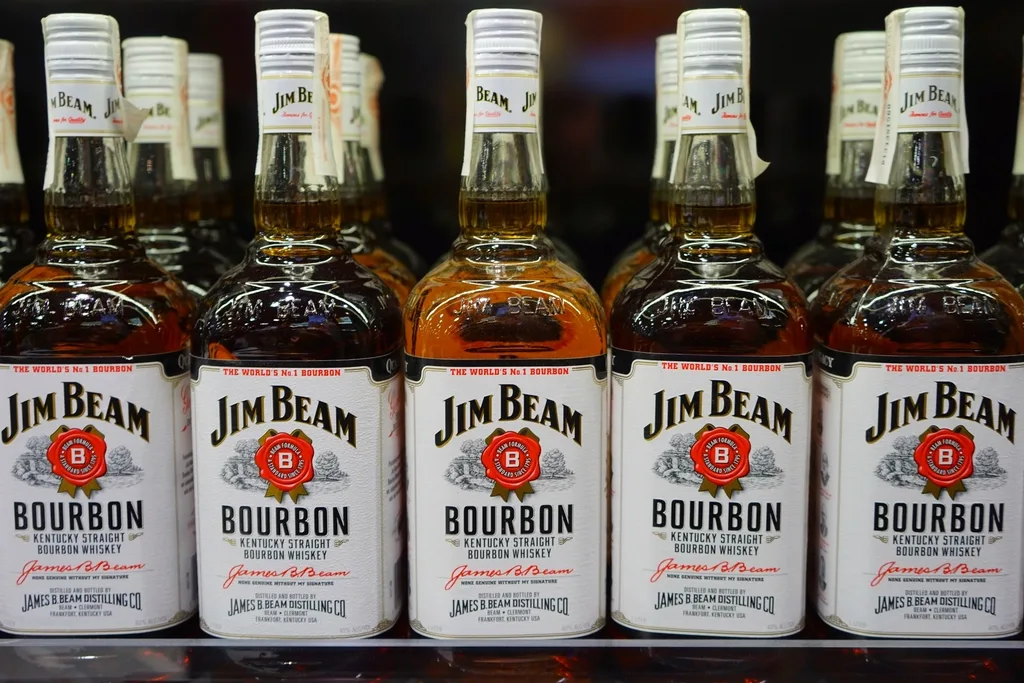
Whiskey brings a different kind of warmth and complexity to eggnog. Bourbon, with its inherent sweetness, notes of vanilla, and caramel derived from its oak barrel aging, can add a delightful counterpoint to the creamy base. Its inherent sweetness complements the sugar often present in eggnog, creating a harmonious flavor profile. Rye whiskey, on the other hand, introduces a spicier, more peppery character that can cut through the richness of the eggnog, offering a more assertive kick.
For those who enjoy a bit more bite and spicy undertones in their holiday drinks, whiskey is an excellent choice.
Vodka: The Neutral Booster
While not typically a primary flavor agent, vodka frequently appears in discussions about what alcohol is in eggnog, especially in commercial preparations. Its neutral profile means it adds alcoholic strength without significantly altering the established flavor of the eggnog. This makes it a practical choice for manufacturers aiming for a consistent taste across batches. For home cooks, adding a touch of vodka can boost the overall potency of the eggnog without introducing competing flavors, allowing the rum, brandy, or whiskey to remain the dominant notes.
Beyond One: Why Eggnog Often Mixes Spirits
Many eggnog recipes, particularly those aiming for a complex flavor profile, don't rely on a single spirit. Instead, they combine two or three different liquors. This practice isn't just about increasing the alcohol content; it's a deliberate culinary choice to create a more balanced and nuanced taste. Different spirits bring different attributes, sweetness, spice, fruitiness, and smoothness, and blending them allows for a richer overall experience.
Popular Spirit Combos for Eggnog
A classic and highly recommended blend involves rum and brandy. The rum provides a familiar, sweet base, while the brandy adds a layer of sophistication and subtle fruit notes. Another popular combination uses rum, brandy, and a touch of whiskey, often bourbon. This mix leverages the sweetness from rum and bourbon, the smoothness from brandy, and adds a slight spiced complexity from either the bourbon or a rye whiskey if that's chosen.
Some recipes even call for a small amount of vodka to increase the alcohol percentage without significantly impacting the flavor, acting more as a potency enhancer.
Store-Bought vs. Homemade: Where's the Booze Coming From?
The way alcohol is incorporated into eggnog differs quite a bit between what you find on a grocery store shelf and what you make from scratch in your own kitchen. Each approach has its own advantages and typical characteristics regarding the spirits used. Understanding these differences can help you choose the right eggnog for your preference or guide your own creative beverage-making.
Behind the Label: Commercial Eggnog Alcohol
Large-scale commercial eggnog producers often use a blend of spirits to ensure a consistent taste and reliable alcohol content. Manufacturer specifications typically indicate a mix of spirits like rum, brandy, and sometimes neutral spirits like vodka. This blend is formulated to hit a specific flavor profile that’s recognizable and appealing to a broad audience. The goal is consistency, so you know what to expect every time you buy that brand.
You'll commonly see this listed on the label with a specific ABV percentage, usually falling between 5-10%.
Your Kitchen Creation: Crafting Homemade Spirit Blends
When you make eggnog at home, you have complete control over the alcohol selection and quantity. This freedom allows for immense personalization based on your taste preferences. You can opt for a single spirit, like a good quality aged rum for a deep, spicy flavor, or a smooth cognac for pure elegance. More often, home cooks experiment with spirit combinations.
A popular ratio might be equal parts rum and brandy, or a base of rum with a smaller addition of whiskey for added depth. This is where you can truly tailor the drink to your liking, adjusting the flavor and strength with each batch.
How Much Alcohol Are We Talking? Understanding ABV in Eggnog
The actual alcohol content in eggnog, measured as Alcohol By Volume (ABV), can vary significantly. For store-bought versions, you'll typically find an ABV ranging from about 5% to 10%. This is comparable to many beers and lower than most wines. This moderated level is designed for broad appeal and to ensure product stability.
However, homemade eggnog is a different story altogether. Because you're adding spirits directly, the ABV can climb much higher, easily reaching 15-20% or even more, depending on the types and amounts of alcohol you use. For example, a recipe calling for 1 cup of rum and 1/2 cup of brandy in a batch that yields about 6 cups of finished eggnog will have a substantially higher ABV than its commercial counterpart. It's crucial to be aware of this when serving or consuming homemade eggnog, as it can be more potent than expected.
Choosing Your Spirit: What's Best for Your Eggnog Style
Deciding which spirit to use in your eggnog really comes down to the flavor profile you're aiming for. If you're going for that classic, comforting holiday taste, aged rum, particularly darker varieties, is a fantastic choice. Its inherent sweetness and notes of caramel and spice complement the eggnog’s richness perfectly. For a smoother, more refined experience, brandy is excellent.
It adds a subtle fruitiness and an elegant finish that feels a bit more sophisticated.
If you enjoy a bit more boldness and spice, whiskey is your friend. Bourbon brings a warmth and sweetness with hints of vanilla and oak, while rye adds a pleasant peppery kick that can balance the creaminess. And if your main goal is to simply increase the alcoholic punch without altering the flavor too much, a neutral spirit like vodka is the practical option, though less exciting from a flavor-development perspective. Think about the other flavors in your eggnog, are you using a lot of nutmeg and cinnamon?
A spicier whiskey might cut through that nicely. Or are you leaning into vanilla and cream? Rum or brandy would pair beautifully.
Eggnog Alcohol: Mistakes to Sidestep
When crafting your own eggnog or selecting a pre-made one, a few common pitfalls can derail the experience. One frequent mistake, especially with homemade versions, is using alcohol that's too harsh or low quality. Using a cheap, overly-fiery rum or a bland spirit can overpower the delicate flavors of the egg and cream, leaving your eggnog tasting artificial or unpleasant. Always opt for spirits you'd enjoy drinking on their own.
Another common misstep is misjudging the quantity of alcohol. It's easy to get a bit carried away, especially with potent spirits, leading to an eggnog that's too boozy and masks all the other delicious notes. Conversely, using too little alcohol can result in a flat-tasting beverage that lacks that signature holiday warmth. Finally, not allowing the eggnog to chill and meld the flavors properly after adding the spirits is a missed opportunity.
The best eggnog needs time for the alcohol and other ingredients to harmonize.
