What Exactly IS Carne Asada?
If you've ever found yourself craving that perfectly smoky, deeply savory, and incredibly tender grilled beef, chances are you've encountered carne asada. It’s a cornerstone of Mexican cuisine, renowned for its bold flavors and versatility. More than just grilled steak, carne asada is an experience, one that brings people together around the grill and at the table.
Our research into authentic preparations reveals that true carne asada is defined by both the cut of meat and a vibrant marinade, typically featuring citrus and aromatic spices. Manufacturers of specialty marinades often cite a blend of lime juice, garlic, cumin, and cilantro as foundational, and this combination typically requires at least 30 minutes of marinating time to properly infuse the meat before grilling. Let's break down what makes this dish so special.
The Heart of Carne Asada: Key Ingredients and Cuts
Carne asada isn't just any steak thrown on the grill. Its defining characteristics come from careful selection of the meat and a marinade that’s as crucial as the heat itself. Understanding these core elements is key to appreciating why this dish is so beloved.
What Meat Are We Talking About?
The most traditional cut for carne asada is skirt steak. This cut comes from the diaphragm muscle of the cow, and it's known for its thinness and long, fibrous strands, which give it a unique texture when grilled right. If skirt steak isn't available, flank steak is a very common and excellent substitute. Flank steak is a bit leaner and wider than skirt steak, but it also has a great beefy flavor and a texture that works beautifully when marinated and sliced.
Both cuts benefit from quick, high-heat cooking to achieve a desirable char without overcooking them into toughness.
The Magic of the Marinade
This is where the flavor really happens. A great carne asada marinade does two main things: it tenderizes the meat and infuses it with a complex, bright, and savory profile. The critical components usually include:
- Citrus: Lime juice is almost always present, providing acidity to break down the meat's fibers and add a tangy zest. Sometimes orange juice or even a bit of vinegar might join the party.
- Aromatics: Plenty of fresh garlic is a must, minced or crushed to release its potent flavor. Onion, either fresh or powdered, also plays a role.
- Spices: Cumin is a star player, lending its warm, earthy notes. Mexican oregano, chili powder (like ancho or guajillo for a mild heat and smoky depth), black pepper, and sometimes coriander seeds are also common additions.
- Fat: Olive oil or another neutral cooking oil helps carry the fat-soluble flavors and prevents the steak from sticking to the grill.
This blend transforms a relatively humble cut of beef into something truly spectacular.
Why Visuals Matter for Carne Asada
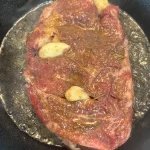
While no two batches of carne asada look exactly alike, there are visual cues that tell you you're getting the real deal, or that you've achieved perfection yourself. The look of the meat, its color, texture, and how it’s presented, is a significant part of its appeal, signaling flavor and tenderness before you even take a bite.
When you see a plate of well-prepared carne asada, you'll notice a beautiful contrast. The exterior should have those appealing dark grill marks and a slightly crispy, charred surface from being cooked over high heat. This charring isn't just for looks; it contributes significantly to the smoky flavor. Internally, the meat should be juicy, not dry or grey.
For skirt or flank steak, the muscle fibers run distinctly in one direction. This visual cue is incredibly important for how the meat is eaten, as it dictates the slicing direction to ensure tenderness. Think of it like looking at perfectly toasted bread with a moist, rich filling inside, the visual promises the sensory experience.
Making Carne Asada: A Taste of the Process
The journey from a raw cut of beef to a flavorful carne asada dish involves a few key steps that, when followed, ensure a delicious outcome. It’s a process that respects the ingredients and leverages simple cooking techniques for maximum impact.
Getting Your Grill Ready
Preparation starts way before the meat hits the heat. For carne asada, you want your grill screaming hot. This high heat is what achieves that essential char and smoky flavor profile quickly, preventing the meat from drying out. Whether you're using charcoal or a gas grill, preheating it for at least 10-15 minutes is a good practice.
For charcoal grills, you're looking for a layer of white-hot coals. For gas grills, aim for the highest setting until you’re ready to cook. Cleaning the grill grates is also vital; leftover residue can cause sticking and impart unpleasant flavors. A clean, hot grill is fundamental to achieving those beautiful grill marks and allowing the meat to release easily.
Grilling for That Perfect Char
Once your grill is ready and the steak has had time to marinate (typically at least 30 minutes, but some recipes call for up to 24 hours for deeper flavor), it's time to cook. Due to the thinness of skirt or flank steak, carne asada cooks very quickly. It’s usually grilled over high heat for just a few minutes per side. For skirt steak, manufacturer-recommended cooking times often range from 3 to 5 minutes per side, depending on thickness and desired doneness (medium-rare is ideal for maximum juiciness).
You’re aiming for an internal temperature of around 130-135°F (54-57°C) for medium-rare. Overcooking is the cardinal sin here; a minute too long can turn a succulent piece of meat into something tough and chewy.
How to Tell Great Carne Asada
Distinguishing a truly excellent carne asada from a merely okay one comes down to a few key indicators, both in appearance and taste. It's not just about grilling meat; it’s about achieving a specific texture, flavor, and moisture level that defines the dish.
Spotting Texture and Color
Great carne asada boasts a visible char, dark, seared lines across the meat, with perhaps a slightly crispy edge here and there. This char contributes significantly to its signature smoky aroma and taste. Internally, the meat should maintain a pinkish-red hue, indicating it’s cooked to a juicy medium-rare. You absolutely do not want to see grey, dry meat stretching all the way through.
The muscle fibers, especially in skirt steak, should be clearly discernible. This visual texture is important because it tells you the meat has been cooked properly and, crucially, sliced correctly against the grain for maximum tenderness.
Key Flavor Notes to Look For
The flavor of outstanding carne asada is a complex symphony. You'll first notice the prominent beefiness of the steak itself, enhanced by the smoky notes from the grill. Layered on top is the bright zestiness from the citrus in the marinade, usually lime. Then come the warm, earthy spices, particularly cumin and a gentle hint of chili or pepper.
Garlic should be present but not overpowering. Each bite should feel balanced, savory, tangy, slightly spicy, and incredibly satisfying, with no single flavor dominating. The overall impression should be fresh and vibrant, not heavy or greasy.
Common Pitfalls When Preparing Carne Asada
Even with great ingredients, it's easy to fall into a few common traps that can turn your carne asada from fantastic to forgettable. Knowing these pitfalls ahead of time can save a lot of disappointment.
Overcooked and Dry? That's Not It.
The most prevalent mistake is overcooking. Because skirt and flank steaks are relatively thin, they cook incredibly fast on a hot grill. Many people, accustomed to thicker cuts, might leave them on for too long, resulting in dry, tough meat that’s difficult to chew. Achieving that perfect medium-rare (around 130-135°F or 54-57°C internal temperature) is key to the juiciness that defines great carne asada.
Using a meat thermometer is highly recommended, especially when you're starting out. Another side effect of overcooking is the loss of that desirable pink interior color, leaving behind unappetizing greyish-brown meat.
When the Marinade Doesn't Quite Cut It
Sometimes, the marinade might seem right, but the flavor just doesn't penetrate the meat. This often happens if the meat hasn't marinated long enough. While 30 minutes can provide a light flavor, for deeply infused results, especially with flank steak, marinating for several hours or even overnight often yields a superior taste. Alternatively, the marinade might not contain enough acidity or salt to effectively tenderize and flavor the meat.
It’s also crucial to ensure the marinade has good contact with the steak; ensure the meat is fully submerged or turned regularly in the marinade bag or dish.
Serving Up Carne Asada: Delicious Ways to Enjoy It
Carne asada shines when it’s served, and its versatility means it’s ready for almost any occasion. While it’s a star on its own, it truly comes to life when paired with other complementary flavors and textures. Think of it as the foundation for countless delicious meals, from quick weeknight dinners to festive weekend gatherings.
Beyond the Taco: Versatile Pairings
Tacos are undoubtedly the most famous vehicle for carne asada, and for good reason. The tender, flavorful steak pairs perfectly with warm tortillas, fresh salsa, and a squeeze of lime. However, exploring beyond tacos opens up a world of possibilities. Carne asada is fantastic in burritos, stuffed into quesadillas, or served as a hearty filling for enchiladas.
It also makes a superb topping for salads, adding a protein punch and smoky depth that elevates simple greens into a complete meal. Many find it makes a satisfying alternative to steak in rice bowls, particularly when served alongside traditional Mexican accompaniments like rice and refried beans.
What Goes Well With Carne Asada?
To truly complete a carne asada experience, consider the supporting cast. Fresh salsas, like pico de gallo (diced tomatoes, onion, cilantro, jalapeño, and lime) or a roasted salsa verde, provide a bright, zesty counterpoint to the rich meat. Pickled red onions add a delightful tang and crunch, while a dollop of guacamole or a creamy crema can offer a cooling contrast. For sides, traditional choices like fluffy Mexican rice and creamy refried beans are always a hit.
Grilled onions and jalapeños, cooked alongside the steak, offer a sweet and spicy caramelized element. A cold cerveza or a refreshing agua fresca makes the perfect beverage pairing.
Bringing It All Together: Your Carne Asada Cheat Sheet
Mastering carne asada isn't about complicated techniques; it's about understanding a few core principles that lead to maximum flavor and tenderness. By focusing on the right cut, a well-balanced marinade, and precise grilling, you can consistently achieve delicious results. Remember that skirt or flank steak is ideal due to its texture, and marinating for at least 30 minutes, ideally longer, is crucial for infusing flavor and tenderizing the meat. High heat on the grill is non-negotiable for achieving that signature char and preventing the relatively thin cuts from drying out.
Here’s a quick rundown to keep in mind:
- Meat Selection: Skirt or flank steak.
- Marination Time: Minimum 30 minutes, preferably several hours to overnight.
- Marinade Staples: Lime juice, garlic, cumin, salt, pepper, oil.
- Grill Heat: High heat is essential.
- Cooking Time: Quick, usually 3-5 minutes per side.
- Doneness: Aim for medium-rare (130-135°F / 54-57°C).
- Slicing: Always against the grain for tenderness.
Following these guidelines will help you avoid common mistakes like overcooking or a bland flavor profile, ensuring your carne asada is always a crowd-pleaser. As of 2026, these fundamental principles remain the bedrock of preparing excellent carne asada.