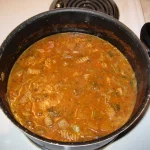
What is cold corn chowder, really? It's a dish that often surprises people, as most of us associate chowder with steamy, hearty bowls perfect for a chilly evening. But this lighter, chilled version offers a completely different, and often more refreshing, experience, especially when the weather heats up.
Our research indicates that cold corn chowder is a specific preparation designed for chilled service, not simply a cooled-down hot soup. It's built on a foundation of corn and creamy elements, but with flavor profiles and textures that are optimized to be delicious and invigorating when served cold. When prepared correctly, it can be a delightful departure from the norm.
The Core Idea: Refreshing vs. Warming
At its heart, the distinction between cold and hot corn chowder boils down to intent and temperature. Hot chowder aims for comfort and depth, with flavors that bloom under heat. Cold chowder, on the other hand, seeks brightness and refreshment, showcasing ingredients in a cool, crisp manner.
Cold Corn Chowder vs. Hot Corn Chowder
Think of it this way: while both use corn as a star ingredient, their execution and the sensory experience they deliver are quite different. Hot corn chowder is typically richer and heartier, often featuring ingredients that benefit from cooking time to meld and soften, like potatoes and leeks. Its purpose is often to be a substantial meal.
Cold corn chowder, by contrast, thrives on vibrancy. The flavors of the corn, herbs, and any added acidity are intended to be sharp and clean on the palate. This preparation is less about a heavy, comforting meal and more about a light, palate-cleansing starter or a refreshing lunch. Its appeal often lies in its unexpected coolness and bright, zesty character, making it a welcome addition to a summer menu.
What You'll Find Inside a Cold Corn Chowder
The magic of a cold corn chowder lies in its carefully selected components that work together harmoniously without heat. It's not just about chilling a hot soup; it's about building a flavor profile that's specifically suited for a cold presentation.
Key Ingredients for a Chilled Vibe
The foundation of most cold corn chowders mirrors their hot counterparts but with a lighter touch. Corn, whether fresh, frozen, or canned, remains central, providing that signature sweetness. For creaminess, we often see lighter dairy like half-and-half or even almond or oat milk used instead of heavy cream to keep the soup from feeling too dense when chilled. Vegetable or chicken broth forms the liquid base, lending savory notes without overwhelming the other flavors.
Some recipes get creative with added creaminess and tang through ingredients like plain yogurt or a swirl of sour cream, offering a pleasant counterpoint to the corn's sweetness. For an even smoother, richer mouthfeel without dairy, avocado can be blended in. These elements are chosen for how they contribute to a light, refreshing texture, ensuring the soup is pleasant to eat when cold.
Flavor Boosters for Brightness
To really make cold corn chowder sing, specific flavor enhancers are crucial. Fresh herbs are a must, with chives, cilantro, parsley, or dill adding layers of fragrant complexity that are more pronounced in a chilled dish. A squeeze of lemon or lime juice is often key, providing a zip of acidity that cuts through the richness and awakens the palate. A subtle touch of vinegar can also achieve this same brightening effect.
Some recipes incorporate finely diced jalapeño or a hint of cayenne for a gentle warmth that contrasts nicely with the cooling temperature. Fresh, crisp vegetables like finely diced bell peppers or celery can add a welcome crunch and visual appeal. For those seeking more texture and nutrients, cooked quinoa can be stirred in as a substantial addition.
Why Choose Cold Corn Chowder?
Opting for cold corn chowder is often driven by a desire for something uniquely refreshing and a departure from traditional, heavy soups. It’s a dish that answers a specific culinary need, especially when the weather or the meal calls for a lighter touch.
Perfect for Summer and Light Meals
This soup truly excels in warmer months. When temperatures rise and the last thing you want is a hot stove and a steaming bowl, a chilled corn chowder offers a welcome respite. It provides the satisfying flavors of corn and cream without the heaviness that can feel burdensome in the heat. It’s an ideal option for picnics, outdoor gatherings, or simply as a light lunch on a sweltering day.
The preparation's inherent lightness makes it a great choice for those seeking lower-calorie or less dense meal options. It can be a starter that doesn't spoil your appetite for the main course or a satisfying standalone lunch that leaves you feeling energized rather than sluggish.
Beyond a Hot Bowl: Different Occasions
Cold corn chowder fits into a different niche than its hot counterpart. While hot chowder often serves as a hearty main course, especially in cooler climates, the chilled version shines as a versatile appetizer or a light side dish. Its bright flavors and smooth texture make it an excellent opener for a summer barbecue or a sophisticated addition to a brunch spread.
Furthermore, it's a dish that doesn't require constant attention in the kitchen once prepared. Since it needs to be chilled, it can often be made a day in advance, allowing flavors to meld beautifully. This makes it perfect for hosts who want to prepare elements ahead of time, reducing stress on the day of the event.
Making Cold Corn Chowder: The General Flow
Creating a delicious cold corn chowder involves a few key steps focused on developing flavor and achieving the right texture for chilled service. It’s a process that prioritizes fresh ingredients and careful cooling.
From Prep to Chill: Key Steps
Typically, the process begins with sautéing aromatics like onions and garlic in a bit of oil or butter. Corn and broth are then added, and the mixture is simmered until the corn is tender. If potatoes are included, they are cooked until soft. The soup is then cooled, often after blending a portion or all of it for a creamier consistency, depending on the desired outcome.
After the initial cooking and cooling, fresh herbs, citrus juices, and any other flavor enhancers are stirred in. The crucial final stage is chilling the soup thoroughly, usually for at least two to four hours, and as of 2026, many chefs recommend chilling overnight to allow the flavors truly meld. This extended chilling time is what distinguishes it from merely cooled-down hot soup.
Tasting and Adjusting for Cold
A really important trick when making cold corn chowder is to taste and adjust seasonings after it has chilled. Flavors can shift and mellow when food is served cold. What tastes perfectly seasoned and bright at room temperature might seem a bit muted once chilled.
This means you might need to add a bit more salt, a touch more acidity from lemon or lime juice, or even a pinch more spice after the soup has had time to cool down. This adjustment phase is what elevates a good cold corn chowder to a truly outstanding one, ensuring every spoonful is packed with vibrant flavor.
Where Cold Corn Chowder Fits In
Understanding the typical roles and settings for cold corn chowder helps appreciate its unique place in the culinary world. It’s not a one-size-fits-all soup; its applications are quite specific and often dictated by the season or the type of meal.
Ideal Uses and When It Shines
This chilled soup is tailor-made for situations where a hot dish would feel out of place. Its primary calling is during warm weather, from late spring through early fall. Think of garden parties, summer picnics, light lunches on a hot day, or as a refreshing starter for a barbecue. It’s also a fantastic option for any meal where you want a lighter, brighter flavor profile.
Its ability to be prepared ahead of time also makes it a go-to for busy hosts or for potlucks where you need a dish that travels well and doesn't require reheating. It offers a sophisticated yet simple option that’s often unexpected and much appreciated.
Serving It Up: Appetizer or Main?
How you serve cold corn chowder often depends on the context of the meal and the richness of the recipe. Typically, it functions best as an appetizer. A smaller serving, perhaps in a tasting spoon or a small bowl, allows guests to enjoy its refreshing flavors without feeling too full.
However, if the soup is made with a more substantial base, perhaps with added protein like finely diced chicken or a richer blend of vegetables, it can certainly stand on its own as a light main course for lunch. It makes a great option for a solo meal or a light midday repast, especially when paired with a crusty piece of bread.
Making Cold Corn Chowder: The General Flow
Creating a delicious cold corn chowder involves a few key steps focused on developing flavor and achieving the right texture for chilled service. It’s a process that prioritizes fresh ingredients and careful cooling.
From Prep to Chill: Key Steps
Typically, the process begins with sautéing aromatics like onions and garlic in a bit of oil or butter. Corn and broth are then added, and the mixture is simmered until the corn is tender. If potatoes are included, they are cooked until soft. The soup is then cooled, often after blending a portion or all of it for a creamier consistency, depending on the desired outcome.
After the initial cooking and cooling, fresh herbs, citrus juices, and any other flavor enhancers are stirred in. The crucial final stage is chilling the soup thoroughly, usually for at least two to four hours, and as of 2026, many chefs recommend chilling overnight to allow the flavors truly meld. This extended chilling time is what distinguishes it from merely cooled-down hot soup.
Tasting and Adjusting for Cold
A really important trick when making cold corn chowder is to taste and adjust seasonings after it has chilled. Flavors can shift and mellow when food is served cold. What tastes perfectly seasoned and bright at room temperature might seem a bit muted once chilled.
This means you might need to add a bit more salt, a touch more acidity from lemon or lime juice, or even a pinch more spice after the soup has had time to cool down. This adjustment phase is what elevates a good cold corn chowder to a truly outstanding one, ensuring every spoonful is packed with vibrant flavor.
Where Cold Corn Chowder Fits In
Understanding the typical roles and settings for cold corn chowder helps appreciate its unique place in the culinary world. It’s not a one-size-fits-all soup; its applications are quite specific and often dictated by the season or the type of meal.
Ideal Uses and When It Shines
This chilled soup is tailor-made for situations where a hot dish would feel out of place. Its primary calling is during warm weather, from late spring through early fall. Think of garden parties, summer picnics, light lunches on a hot day, or as a refreshing starter for a barbecue. It’s also a fantastic option for any meal where you want a lighter, brighter flavor profile.
Its ability to be prepared ahead of time also makes it a go-to for busy hosts or for potlucks where you need a dish that travels well and doesn't require reheating. It offers a sophisticated yet simple option that’s often unexpected and much appreciated.
Serving It Up: Appetizer or Main?
How you serve cold corn chowder often depends on the context of the meal and the richness of the recipe. Typically, it functions best as an appetizer. A smaller serving, perhaps in a tasting spoon or a small bowl, allows guests to enjoy its refreshing flavors without feeling too full.
However, if the soup is made with a more substantial base, perhaps with added protein like finely diced chicken or a richer blend of vegetables, it can certainly stand on its own as a light main course for lunch. It makes a great option for a solo meal or a light midday repast, especially when paired with a crusty piece of bread.
Common Chances for Error
While cold corn chowder is generally straightforward to make, a few common missteps can easily detract from its potential. Knowing these pitfalls can help ensure your preparation is a success.
Mistakes That Dull the Flavor
One of the biggest errors is not allowing sufficient chilling time. If you serve corn chowder cold before its flavors have fully melded and deepened in the refrigerator, it can taste flat or disjointed. Another mistake is over-relying on just the base ingredients without adding those crucial brighteners. Skipping fresh herbs or a touch of acidity means you miss out on the vibrancy that makes cold soup so appealing.
Conversely, some recipes might call for too much heat or very pungent spices that don't translate well to a chilled profile. The goal is to create a balanced flavor that’s refreshing, not overpowering, when served cold.
Texture Pitfalls to Watch Out For
The texture of cold corn chowder is just as important as its flavor. A common mistake is ending up with a soup that’s too thick or gloopy. This can happen if too much starchy potato is used without enough liquid, or if the soup is blended to a paste without enough broth to lighten it.
Another texture issue arises if ingredients aren't properly cooked and cooled. For instance, if potatoes are undercooked, they might remain chalky. If the soup is blended while hot, it can sometimes result in a gummy texture once chilled. Aiming for a smooth, but not overly viscous, consistency is key for that pleasant mouthfeel.
Delicious Alternatives and Complements
While cold corn chowder has its own unique charm, exploring similar dishes or items that pair well can round out your culinary exploration. Understanding these alternatives helps you appreciate the cold chowder’s specific appeal.
Other Chilled Soups to Consider
If you're drawn to the idea of a chilled soup, other options offer different flavor profiles. Gazpacho, a Spanish classic, is a refreshing tomato-based soup often blended with cucumbers, peppers, and onions, offering a vibrant, acidic taste. Vichyssoise, a French soup, is essentially a chilled potato and leek soup, renowned for its silky smooth texture and delicate onion notes.
These chilled soups, like cold corn chowder, are often best enjoyed during warmer months and can serve as elegant starters or light meals. They share the characteristic of being flavorful and satisfying without the need for heat.
What Pairs Well With It
When serving cold corn chowder, especially as an appetizer, simple accompaniments work best to let the soup’s flavors shine. A classic pairing is a good crusty bread, perhaps a baguette or a rustic sourdough, perfect for dipping. A light salad, like a simple mixed greens with a vinaigrette, can complement the soup as part of a larger meal.
If you’re serving it as a light lunch, consider adding a sprinkle of toasted seeds for extra crunch, or a dollop of plain Greek yogurt for added tang and protein. Thinly sliced radishes or a sprinkle of microgreens can also add visual appeal and a subtle peppery note.