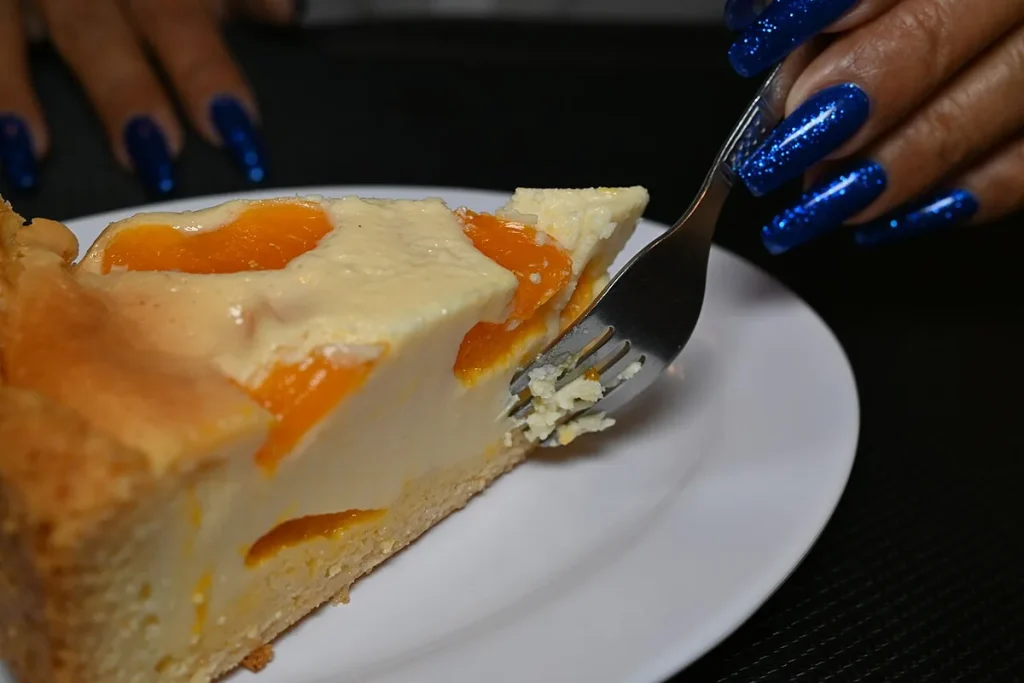

What Is Custard, Really?
If you've ever enjoyed the silky smoothness of crème brûlée or the comforting warmth of vanilla sauce on a fruit tart, you've experienced custard. But what exactly this delightful creation? At its core, custard is a culinary masterpiece formed by the simple, yet profound, combination of eggs binding a liquid.
Our research indicates that this elegant dessert foundation relies on a specific culinary process, where eggs act as emulsifiers and thickeners. For instance, manufacturer specifications for high-quality custard recipes often call for a yolk-to-liquid ratio of at least 1:5 to achieve a desirable viscosity. Let's break down what makes custard so special and how it’s transformed into so many beloved treats.
Custard's Core: What's Inside the Magic
Custard is defined by its two fundamental building blocks: the liquid base and the essential binder, eggs. While these may sound simple, their interaction and quality are what elevate a good custard to something truly extraordinary.
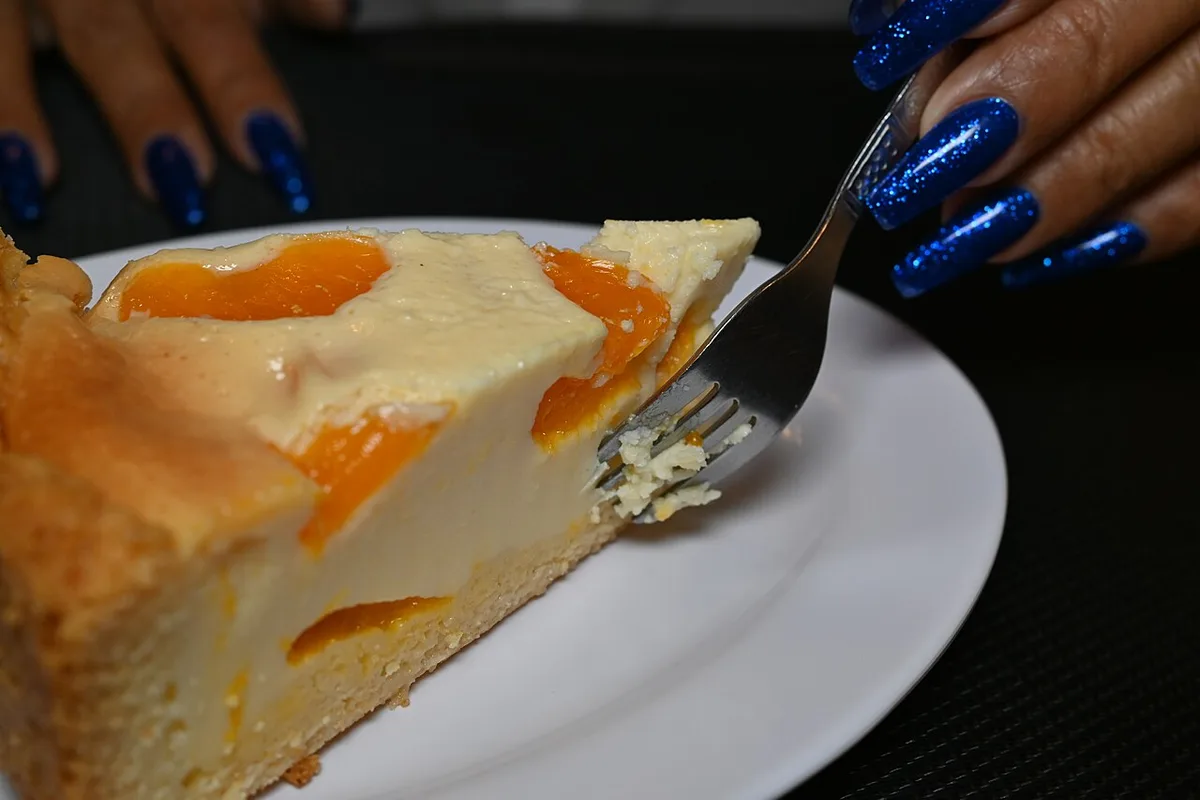
Image source: Wikimedia Commons / PattayaPatrol (CC BY-SA)
The Liquid Base: Milk, Cream, and Beyond
The typical liquid in most custards you'll encounter is dairy-based, most commonly whole milk. Whole milk provides a good balance of fat and protein, contributing to a rich flavor and smooth texture. For an even more decadent experience, heavy cream is often used, either entirely or in combination with milk. The higher fat content in cream yields a lusher, more velvety mouthfeel.
However, the world of custard isn't limited to dairy. Plant-based alternatives have gained significant popularity. Coconut milk, particularly full-fat versions, offers a distinct tropical flavor and a wonderfully creamy consistency. Other nut milks, like almond or cashew milk, can also be used, though achieving the same richness as dairy or coconut milk might require adjustments to other ingredients or the addition of a different fat source.
The Binder: How Eggs Work Their Wonders
Eggs are where the real transformation happens. They are the soul of custard, providing both structure and a characteristic richness. Typically, both the egg yolks and whites are utilized, though many recipes lean more heavily on yolks.
Egg yolks are packed with fat and lecithin, an emulsifier. This means they help bind the fat from the liquid base with the water, preventing separation and contributing to that signature smooth, unctuous texture. Yolks also impart a beautiful golden hue and a deeply satisfying flavor. Egg whites, while lower in fat, contain proteins that coagulate when heated, helping the custard set.
The ratio of yolks to whites can be adjusted to control the final texture, with more yolks leading to a richer, denser custard.
Different Ways to Custard: Texture and Method
The distinction between various custards often comes down to how those core ingredients are treated. The cooking method dictates whether you end up with a gently quivering set dessert or a sauce ready to be spooned over anything.
Baked Custards: The Set Wonders
Baked custards are cooked in the oven, typically within a water bath, known as a bain-marie. This gentle, indirect heat is crucial for cooking the eggs without scrambling them, allowing them to set slowly and evenly. This method results in custards that are firm enough to hold their shape when unmolded or served in their individual ramekins.
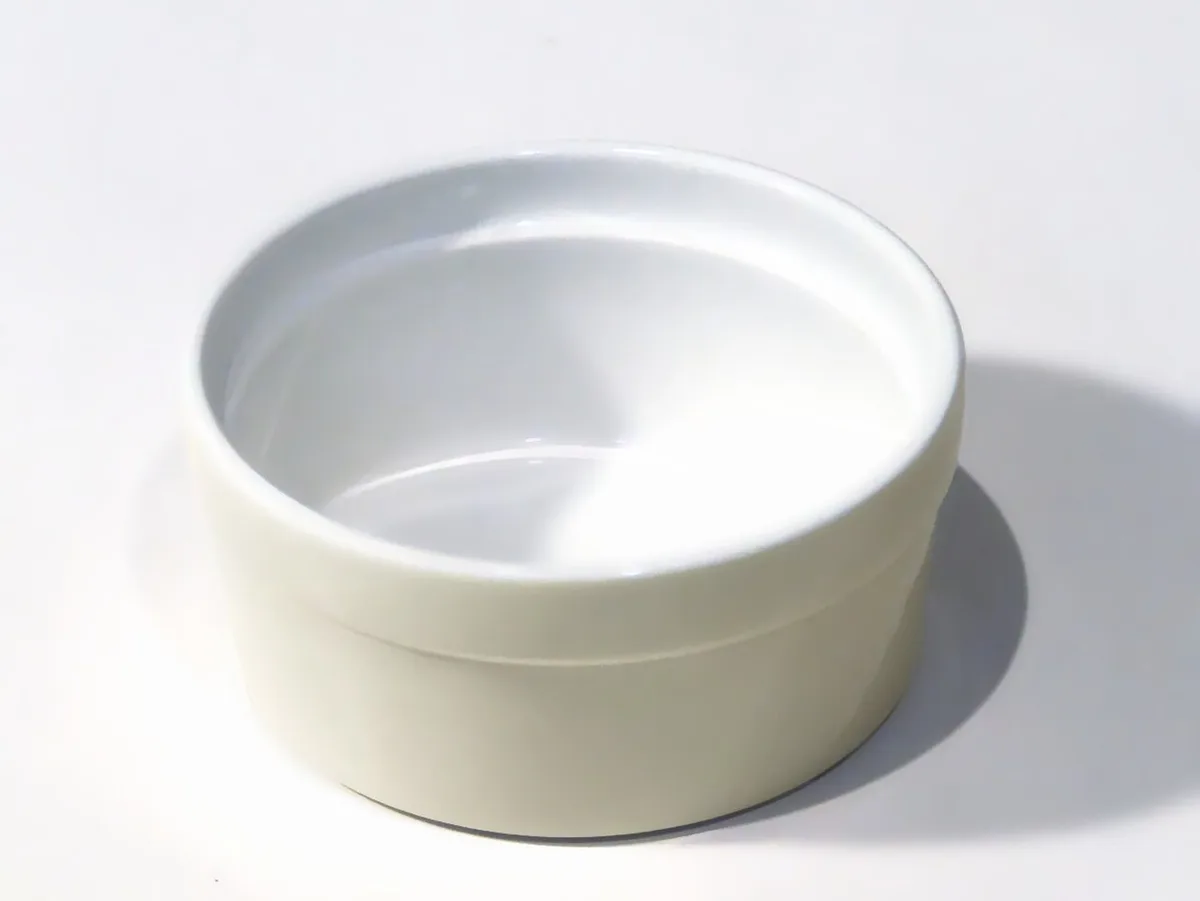
Image source: Wikimedia Commons / Iainf 05:55, 6 July 2006 (UTC) (CC BY)
These are the custards that have a delightful wobble, think of a classic crème caramel, a rich flan, or the famed crème brûlée with its crisp caramelized sugar topping. The water bath ensures the custard cooks at a consistent, moderate temperature, preventing the edges from overcooking before the center is set.
Stirred Custards: The Smooth Operators
On the flip side, stirred custards are cooked on the stovetop, requiring constant attention and whisking. This method is perfect for creating pourable sauces or thicker fillings. The goal here is to heat the mixture just enough for the egg proteins to thicken the liquid to the desired consistency, without reaching a temperature that would cause them to curdle and scramble.
Crème anglaise, the classic vanilla sauce, is a prime example of a stirred custard. It's thin enough to be spooned over warm or cold desserts and has a luminous, flowing texture. Pastry cream, used as a filling for pies, tarts, and éclairs, is also a stovetop custard, though it's typically thickened further with starch like cornstarch or flour, making it considerably denser and more stable for filling applications.
Custard vs. Other Creamy Desserts: Knowing the Difference
It’s easy to get custards mixed up with other luscious, creamy desserts. While they share some common ground, understanding their unique characteristics helps in both cooking and appreciation.
Custard vs. Pudding
The most common point of confusion is between custard and pudding. Both offer creamy, sweet satisfaction, but the thickeners are the key differentiator. Custard, as we've discussed, primarily relies on eggs for its texture. Pudding, however, almost always incorporates a starch-based thickener, such as cornstarch or flour, alongside eggs or sometimes even in place of them.
This addition of starch gives pudding a denser, often more opaque and jelly-like consistency compared to the more delicate, sometimes translucent quality of a true custard. Think of a rice pudding or a chocolate pudding; they usually have a heavier body thanks to starches.
Custard vs. Mousse
Mousse, on the other hand, is all about lightness and air. While a mousse might start with a custard base (like a crème anglaise) for flavor and richness, its defining characteristic is the incorporation of air. This is achieved by folding in whipped cream, whipped egg whites (meringue), or both.
The result is a dessert that's airy, foamy, and melts in your mouth. A custard is dense and smooth, while a mousse is light and ethereal. The texture is the biggest giveaway, with mousse feeling significantly less substantial on the palate.
When Things Go Wrong: Custard Pitfalls
Even the most seasoned home cooks can run into trouble when making custard. The delicate balance of ingredients and heat means there's a fine line between silken perfection and a less-than-ideal texture. Understanding these common pitfalls is key to achieving consistently great results.
Avoiding Scrambled Eggs
The most dreaded custard catastrophe is, without a doubt, scrambled eggs. This happens when the mixture gets too hot, too quickly, causing the egg proteins to seize and form small, rubbery curds. It's a common problem with stovetop custards if the heat isn't managed carefully.
If you're making a crème anglaise or pastry cream, always use low to medium heat and whisk continuously. Tempering the eggs, gradually whisking a small amount of the hot liquid into the beaten eggs before adding the egg mixture back to the pot, is crucial. This gently raises the temperature of the eggs without cooking them prematurely.
Battling Graininess and Curdling
A grainy or curdled custard often stems from similar overheating issues, but it can also occur if the custard is overcooked after it has already thickened. This creates a texture that's anything but smooth. Additionally, if your ingredients aren't fully incorporated, or if you're using ingredients that don't emulsify well, you might end up with a watery or separated custard.
To combat graininess, ensure all ingredients are well-blended before cooking. If a custard does appear slightly grainy or on the verge of curdling, some chefs have reported success by immediately removing it from the heat and vigorously whisking. In some cases, straining the custard through a fine-mesh sieve can salvage a less-than-perfect batch, removing any small curds that have formed.
Making Custard Your Own: Flavors and Uses
Once you've mastered the basic custard technique, the possibilities for flavor and application are virtually endless. Custard isn't just a dessert; it's a versatile component that can elevate many dishes.
Common Custard Flavors
Vanilla bean remains the undisputed champion for custard flavoring, imparting a warm, floral aroma and complex taste. You can achieve this by steeping a split vanilla bean in the milk or cream, or by using high-quality vanilla extract. Beyond vanilla, citrus zest, particularly lemon or orange, adds a bright, zesty counterpoint that cuts through richness.
Chocolate lovers can incorporate melted unsweetened or bittersweet chocolate into the base for a deep, decadent chocolate custard. Coffee can be infused into the liquid base for a sophisticated mocha flavor, or spices like cinnamon, nutmeg, and cardamom can add warmth and depth. Experimentation is encouraged; even a hint of lavender or a touch of rum can transform a basic custard into something truly unique.
Custard's Role in Desserts
Custard's smooth texture and relatively neutral base make it an ideal partner for a wide range of desserts. It's the creamy heart of trifles, layered with cake and fruit, and the smooth filling for tarts and pies, providing a rich contrast to flaky pastry. As a sauce, it's a classic pairing for fruit crisps, cobblers, and steamed puddings, adding a luxurious finish.
It also serves as the foundational element for frozen delights. Ice cream and gelato bases are often made with a custard mixture, which contributes to their smooth texture and rich flavor profile. Even savories get a touch of custard magic; quiches, for instance, are essentially savory baked custards, demonstrating its remarkable versatility across the culinary spectrum.
Expert Tips for Perfect Custard
Achieving custardy perfection is all about a few key techniques and mindful practices. Even with simple ingredients, attention to detail makes a world of difference.
- Gentle Heat is Key: Whether stovetop or oven, always use low to medium heat. For stovetop custards, remove the pot from the heat immediately once it thickens slightly; residual heat will continue to cook it.
- Don't Skip Tempering: For baked custards or when adding eggs to hot liquid on the stove, tempering is non-negotiable. Gradually whisking hot liquid into the eggs prevents them from scrambling.
- Strain for Smoothness: For an ultra-smooth finish, always strain your custard mixture through a fine-mesh sieve. This catches any tiny bits of cooked egg or undissolved ingredients.
- Chill Properly: Custards need time to set and develop their full texture. Chill them thoroughly in the refrigerator, typically for at least 2-4 hours, before serving.
- Ingredient Quality Matters: Use the best quality eggs and dairy (or non-dairy) you can find. The simpler the recipe, the more the quality of each ingredient shines through.
Glossary of Custard-Related Terms
Dive deeper into the language of custard with these essential terms. Understanding these distinctions helps clarify recipes and culinary techniques.
- Crème Anglaise: A thin, stirred custard sauce made with egg yolks, sugar, milk, and vanilla. It's typically served as a sauce, not eaten on its own.
- Crème Brûlée: A baked custard with a characteristic crisp, caramelized sugar crust on top. The "burnt cream" is a celebratory dessert.
- Flan/Crème Caramel: A baked custard with a layer of soft caramel sauce on the bottom, which is revealed when the custard is inverted onto a plate.
- Pastry Cream (Crème Pâtissière): A thick, spoonable custard typically thickened with both eggs and starch (flour or cornstarch), used as a filling for pastries.
- Tempering: The process of gradually raising the temperature of eggs by slowly whisking in a hot liquid, preventing them from cooking too quickly.
- Bain-Marie (Water Bath): A method of cooking or baking in a container set inside a larger vessel filled with hot water. This provides gentle, even heat.