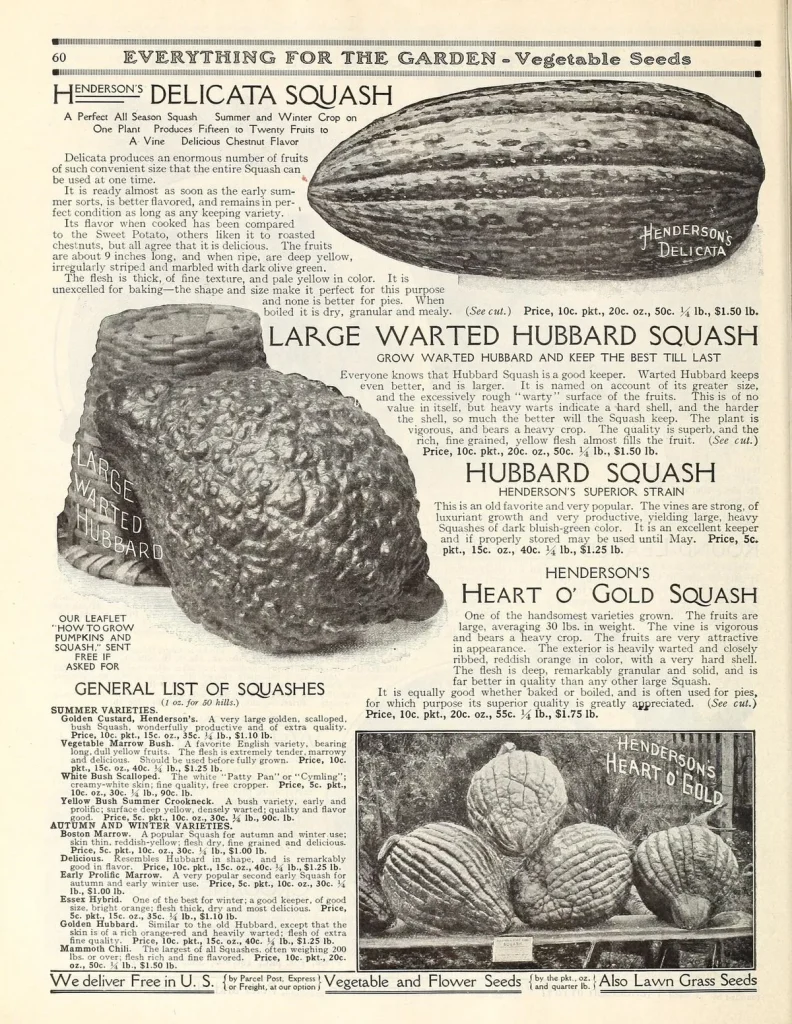

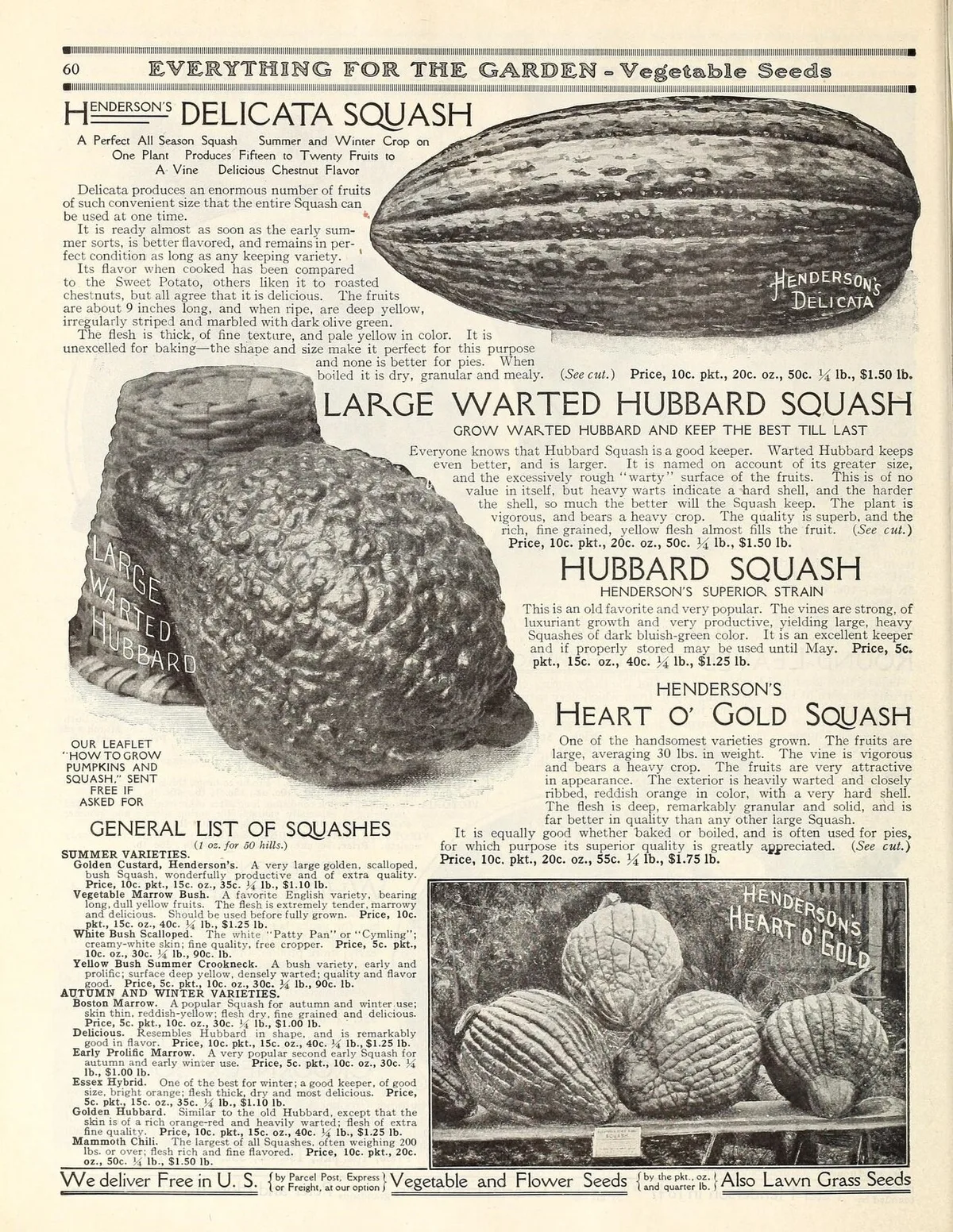
Image source: Wikimedia Commons / Henry G. Gilbert Nursery and Seed Trade Catalog Collection.; Peter Henderson & Co.
How to Make a Sweet Potato Shine: Simple Steps
Figuring out how to make a sweet potato is straightforward, but getting it just right can feel like a small victory. You're looking for that perfect balance of tender flesh and natural sweetness, whether you're roasting it whole or mashing it up. Most home cooks want a reliable method that delivers delicious results without a fuss.
When we look at common preparation methods, roasting is incredibly popular. Manufacturer specifications for most average-sized sweet potatoes suggest a baking temperature of around 400°F (200°C) for 45 to 60 minutes. This range ensures the interior becomes tender while the outside caramelizes, bringing out its best flavors.
Why Visuals Are Key for Sweet Potato Perfection
When you're cooking, especially something like a sweet potato, your eyes are often your best tool. Text descriptions can only go so far; seeing how something should look at each stage is crucial. This is particularly true for determining doneness, which isn't always about a timer.
Visual cues tell you when the sweet potato is perfectly tender, when the skin is just right, and when mashing will yield a smooth, creamy texture. Without these visual anchors, you might end up with undercooked, hard bits or overcooked, mushy disappointments.
Roasting Your Sweet Potato: The Flavorful Method
Roasting is often considered the gold standard for sweet potatoes because it intensifies their natural sugars, creating a deep, satisfying sweetness and a wonderful, slightly caramelized flavor. This method highlights the inherent character of the vegetable. It’s a simple technique that brings out a rich taste profile you just don’t get with other preparation styles.
The heat of the oven works to break down the starches into sugars, and the dry heat helps to concentrate the flavors. This results in a tender, fluffy interior that’s incredibly satisfying and versatile. It's a method that truly lets the sweet potato speak for itself.
Roasting Step-by-Step: Seeing Doneness
Getting a perfectly roasted sweet potato is about more than just time; it's about observation. You’ll want to start by washing your sweet potatoes thoroughly under running water. Then, using a fork, prick the potatoes all over about 6-8 times. This step is vital for allowing steam to escape during cooking, preventing potential pressure buildup.
Next, you have a choice: wrap each potato tightly in aluminum foil or place them directly on a baking sheet. Foil-wrapped potatoes tend to retain more moisture, resulting in a softer skin and flesh. Leaving them unwrapped can lead to crispier edges and skin, a texture many people enjoy. Place your prepared sweet potatoes in a preheated oven set to 400°F (200°C).
Roast for approximately 45 to 60 minutes for medium-sized potatoes. The key visual cue for doneness is when the skin appears slightly shriveled and the potato yields easily to gentle pressure. If you insert a skewer or a paring knife, it should slide in with no resistance.
Mashing Your Sweet Potato: Creamy Goodness
Mashing transforms the sweet potato into a smooth, versatile side dish that’s incredibly comforting. This method can be achieved either by boiling or roasting the potatoes first. Each approach brings slightly different qualities to the final mash.
Boiling is quicker and results in a lighter mash, though it can sometimes lead to a waterier texture if the potatoes are overcooked. Roasting prior to mashing, however, often imparts a deeper, richer flavor and a naturally creamier consistency because the sugars caramelize during the initial roasting phase. This richer flavor comes from the Maillard reaction and caramelization processes intensifying in the oven.
Mashing Step-by-Step: Texture Tells the Tale
To mash sweet potatoes, you first need to get them to a tender state. If boiling, peel and cut your sweet potatoes into roughly 1-inch cubes. Place them in a pot, cover with cold water, add a generous pinch of salt, and bring to a rolling boil. Cook for about 15-20 minutes, or until a fork pierces them easily.
Drain them thoroughly right away to prevent excess water from making the mash too thin.
Alternatively, you can roast them first. Once baked and tender (as described in the roasting section), allow them to cool slightly, then scoop out the soft flesh, discarding the skins. Mash the scooped-out flesh using a potato masher, a sturdy fork, or even a food mill for an ultra-smooth texture. As of 2026, home cooks report that adding a bit of butter, a splash of milk or cream, salt, and pepper enhances the flavor significantly.
You can also experiment with warming spices like cinnamon or nutmeg for a festive touch.
