Image source: Openverse / This image is an original work by 'Will Murray (Willscrlt)'. Attribution is requested, but not required. It should include the author's name, his username in parentheses as shown, and a link to either his Website at http://willmurray.name or his online gallery at http://willmurraymedia.com. The author also appreciates notification if you use his work outside Wikimedia.
How to Drink Brandy: Your Personal Guide
Brandy is one of those spirits that carries a bit of mystique, often associated with old libraries, cigar smoke, and serious contemplation. But the truth is, learning how to drink brandy is less about mastering complex rituals and more about understanding your own preferences and the spirit itself. There's no single "right" way that fits everyone or every bottle.
In our research, we found that the enjoyment of brandy hinges on recognizing its diverse types and matching them to your desired experience, whether that's a quiet moment of appreciation or a vibrant cocktail. For instance, the minimum aging requirement for a Cognac designated VS (Very Special) is two years, counted from April 1st following the vintage year, according to the Bureau National Interprofessionnel du Cognac regulations. Let’s break down how you can get the most out of your brandy.
What Kind of Brandy Are You Drinking?
The first step to enjoying brandy properly is knowing what's in your glass. Brandy isn't a monolithic category; it's a broad classification of spirits distilled from wine or fermented fruit mash. The production methods, aging processes, and base ingredients lead to vastly different flavor profiles and drinking experiences. Understanding these differences is key to choosing the right way to serve and savor your brandy.
Cognac, Armagnac, and the French Stars
When people talk about high-quality sipping brandies, Cognac and Armagnac often come up first. Both hail from France and have strict production rules. Cognac, made in the Cognac region, is typically double-distilled in copper pot stills and aged in French oak barrels for a minimum of two years. The aging categories, VS, VSOP, and XO, indicate how long the youngest brandy in the blend has been aged, with XO requiring a minimum of 10 years as of 2018.
Armagnac, from the Armagnac region, is often distilled once using a specific Armagnac still and can be aged in local black oak. It's frequently described as more rustic, full-bodied, and complex than Cognac, with some bottlings showing unique characteristics like prune, leather, and earthy notes. These French brandies are generally best enjoyed neat or with a single ice cube when you want to focus on their intricate aromas and flavors.
Brandy de Jerez
Spanish brandy, particularly Brandy de Jerez from the sherry-producing region of Andalusia, offers a distinct profile often appreciated by those who enjoy sherry itself. This brandy is typically made from a blend of grapes and is aged using the solera system, the same method used for aging sherries. In a solera, barrels are stacked, and younger spirits are topped up from older ones, creating a continuous, gradual aging process that imbues the brandy with rich, complex flavors. Brandy de Jerez often exhibits notes of dried fruit, nuts, toffee, and oak, with a smooth, full-bodied texture.
While it can certainly be sipped neat, its inherent sweetness and character also make it a superb choice for certain classic cocktails, adding depth and a unique Spanish flair.
American and Other Fruit Brandies
American brandy has a varied landscape, from large commercial producers to fine craft distillers. In our research, we've seen excellent American brandies that are aged in oak and offer profiles similar to fine Cognacs or Armagnacs, sometimes with unique fruit-forward notes. Beyond grape-based brandies, there are numerous fruit brandies. Calvados, an apple brandy from Normandy, France, is a prime example.
Depending on its age, it can range from vibrant and crisp to deeply rich and complex, with pronounced apple aromas. Other fruit brandies, like those made from peaches, cherries, or plums, capture the essence of their source fruit, offering a different kind of aromatic and taste experience. These are often excellent for sipping, especially when fresh and vibrant, or can be used to lend specific fruit notes to cocktails.
The "Savor Every Drop" Method
If you’ve invested in a quality aged brandy, be it a fine Cognac, a robust Armagnac, a rich Brandy de Jerez, or a well-crafted American brandy, you likely want to experience its full depth. This method is all about appreciating the spirit's nuances. It’s about slowing down and letting the complexity unfold on your palate. For this, preparation and technique are key to unlocking the brandy's aromas and flavors without overwhelming your senses.
Choosing the Right Glassware
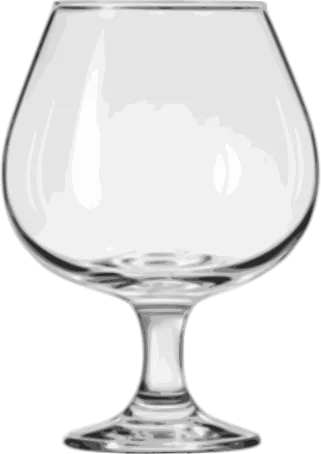
The vessel you choose can significantly impact your sensory experience. For sipping brandy, the go-to is the tulip-shaped brandy snifter. The wide bowl of the snifter allows the brandy's aromas to gather and concentrate. As these aromas travel upwards, the narrow opening directs them right to your nose, enhancing your ability to detect subtle notes.
This shape also makes it comfortable to hold; cupping the bowl in your hand gently warms the brandy, releasing more volatile aromatics. While elegant, avoid overly large glasses, as they can dissipate the aromas too quickly. Manufacturer specifications for high-quality brandy glasses emphasize this controlled aromatic delivery.
The Perfect Pour and Temperature
When you're ready to savor, pour with intention. A pour of 1 to 1.5 ounces (approximately 30-45 ml) is usually sufficient. You're not looking to drown your senses, but rather to have enough spirit to engage with, allowing you to appreciate its aroma and taste over time. Brandy is typically best served at room temperature.
If your environment is particularly cold, holding the snifter in your hand for a minute or two can provide gentle warmth to enhance the aromatic release. However, avoid excessive warming, which can burn off delicate notes and make the alcohol too prominent. Manufacturer guidelines for premium spirits generally suggest serving them at an ambient temperature for optimal flavor expression.
Your Tasting Technique: Look, Smell, Sip
Engaging with brandy is a multi-sensory process. Begin by looking at your pour; observe its color, which can range from pale gold to deep mahogany, hinting at its age and oak influence. Gentle swirling of the brandy in the glass can reveal its viscosity, sometimes leaving "legs" or "tears" that trail down the sides, indicating its alcohol and sugar content. Next, smell the brandy by bringing the glass close to your nose and taking short, gentle inhalations.
Try to identify different notes, fruits, spices, wood, floral hints. Finally, sip the brandy. Take a very small sip first, allowing it to coat your tongue. Notice the initial flavors, the texture, and how the alcohol presents.
Then, take a slightly larger sip to explore the mid-palate and finish. The finish is what lingers after you swallow; pay attention to its length and complexity.
Brandy's Role in Cocktails
Not all brandies are destined for quiet contemplation in a snifter. Many are absolute stars when mixed into cocktails, where their fruitiness, sweetness, and oak notes can provide a fantastic backbone. Younger brandies or those that are more affordable often shine here; think VS or VSOP Cognacs, or even approachable American brandies. Their flavors are robust enough to stand up to other ingredients without getting lost, and they can add a delightful complexity that elevates a simple mix into something special.
Top Brandy Cocktail Picks
When you’re reaching for brandy to mix, certain cocktails are classics for a reason. The Sidecar, a timeless blend of brandy, orange liqueur (like Cointreau), and fresh lemon juice, is a fantastic starting point. It's tart, slightly sweet, and wonderfully balanced, with the brandy providing a warming depth. For something richer and more dessert-like, the Brandy Alexander combines brandy with crème de cacao and cream, creating a smooth, velvety beverage perfect after dinner.
If you prefer something effervescent, a French 75, traditionally made with gin, can be elegantly crafted with brandy for a spirit-forward champagne cocktail.
Balancing Flavors in Mixed Drinks
The art of a great brandy cocktail lies in balance. You want the brandy to complement, not dominate, the other flavors in your drink. This often means adjusting the ratios based on the specific brandy you're using. A bolder, more intensely flavored brandy might need less of the other ingredients to shine, while a lighter one could handle a bit more citrus or sweetness.
Our research indicates that most cocktail recipes for brandy suggest using around 1.5 to 2 ounces of spirit per drink, but always taste and adjust as you mix. It’s about creating a harmonious blend where each element contributes to the overall profile.
Subtle Enhancements: Water or Ice?
Sometimes, a brandy is brilliant on its own, but you might find it a touch too intense. In such cases, a small adjustment can unlock new dimensions. These methods are subtle; the goal isn't to drastically alter the spirit but to refine its presentation for your palate. It’s a way to personalize the experience further, leaning into what you find most enjoyable.
Adding a Drop of Water
If you’re experiencing a very strong alcohol aroma or a sharp bite on the tongue, adding just a single drop or two of water can make a noticeable difference. This is known in spirit appreciation circles as "proofing down." Water can help to break the surface tension of the brandy, allowing more of its aromatic compounds to be released. It can also slightly mellow the perception of alcohol, letting the underlying fruity or oaky notes come forward more clearly. Be sparing; too much water will dilute the flavor and weaken the body of the spirit.
Using a Single Ice Cube
Adding ice to brandy is a subject of some debate among enthusiasts, with many purists preferring their spirits neat. However, if you enjoy your brandy chilled or find a large ice cube helps you appreciate the aromas better without the immediate warmth of your hand, it can be a valid approach. A single, large ice cube melts slower than many small ones, providing a gradual chill and dilution. This can soften the alcohol's intensity and bring out different flavor characteristics.
This technique is generally more suited to younger or less complex brandies, as excessive chilling and dilution can mute the intricate notes of very fine spirits.