
Mastering chow mein at home is less about fancy techniques and more about understanding a few core principles. If you've ever stared at a takeout menu, craving that perfect balance of savory noodles, tender protein, and crisp veggies, you've likely wondered: how do I actually prepare chow mein that tastes, well, right? It's completely doable.
In our research, we found that consistent results often come down to ingredient prep and heat management. For instance, manufacturer specifications for many commercial woks indicate optimal heat retention at surface temperatures exceeding 400°F (204°C) for effective stir-frying. Get those details dialed in, and you're on your way.
What Makes Chow Mein Chow Mein?
Chow mein is fundamentally a Chinese noodle dish, and the name itself translates directly to "stir-fried noodles." But what differentiates it from any other noodle stir-fry is a combination of specific characteristics. It's not just about tossing noodles with sauce; it's about the texture of the noodles, the flavor profile of the sauce, and the high-heat, quick-cooking method that preserves the freshness of the ingredients. Achieving that authentic taste means paying attention to these essential elements.
Your Chow Mein Toolkit: Must-Haves
To successfully prepare chow mein, you'll need a few key pieces of equipment and some ingredients ready to go. The most crucial item is a suitable pan for stir-frying. A wok is ideal due to its sloped sides, which help with tossing and even heat distribution. However, a large, deep skillet can also work if a wok isn't available.
Beyond that, having long-handled utensils for stirring is important.
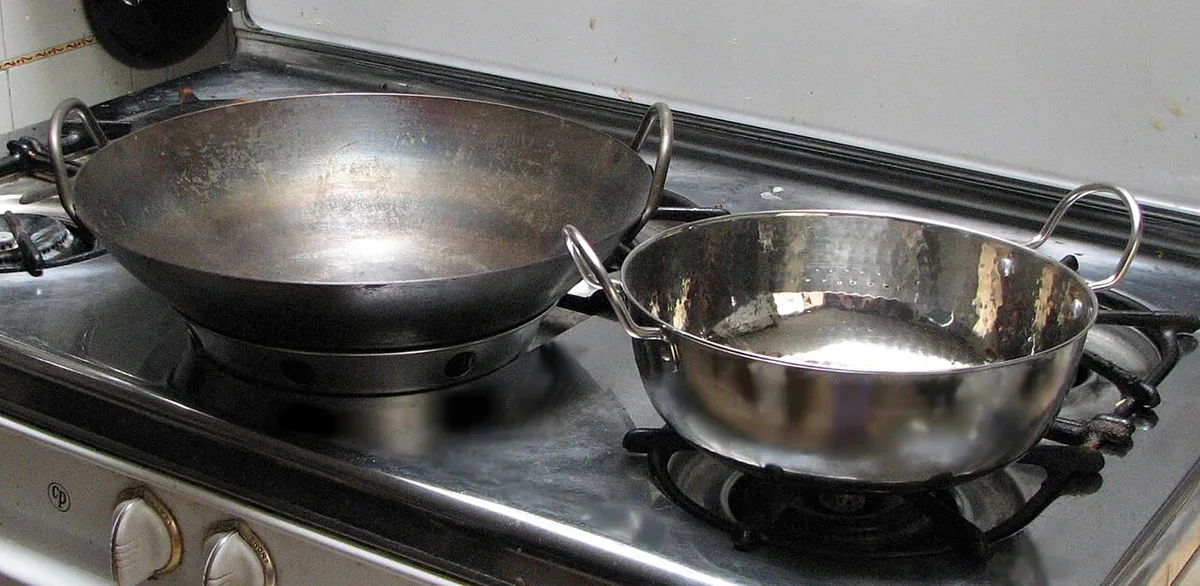
Image source: Wikimedia Commons / FiveRings at en.wikipedia (CC BY-SA)
The biggest secret to successful stir-frying, including chow mein, is preparation. This involves chopping all your vegetables, cooking your protein (if using any), and measuring out your sauce ingredients before you even turn on the stove. This practice, known as "mise en place," ensures you can cook efficiently without fumbling for ingredients as things sizzle in the pan.
Getting the Noodles Just Right
The noodles are the backbone of any chow mein, and their texture is paramount. Mushy, overcooked noodles can ruin the dish entirely. The goal is noodles that are tender with a pleasant chew, not limp or soggy. This means being careful during the initial cooking phase, as they will continue to cook as they're tossed with the other ingredients in the wok.
Image source: Wikimedia Commons / Andy Li
When cooking noodles for chow mein, our research indicates it's best to undercook them slightly. Follow the package directions but aim to pull them from the boiling water about one to two minutes before the minimum recommended time. For certain types of fresh or dried wheat noodles that might become gummy, a brief rinse under cold water after draining can help prevent them from sticking together while you prepare the rest of your meal. A light coating with a small amount of toasted sesame oil can also act as a barrier against clumping.
The Soul of the Dish: Crafting the Chow Mein Sauce
The sauce is what binds all the flavors in chow mein together, providing that signature savory, umami-rich taste. It's typically a balanced blend of salty, slightly sweet, and deeply flavorful components. A well-made sauce should coat the noodles and ingredients beautifully without pooling at the bottom of the pan.
A common and effective chow mein sauce base includes:
- Soy Sauce: This provides the primary salty and umami foundation.
- Oyster Sauce: Adds a layer of rich, savory depth and a subtle sweetness. Vegetarian alternatives made from mushrooms are also available.
- Toasted Sesame Oil: Delivers that distinctive nutty aroma and flavor that is characteristic of many Asian stir-fries.
- Sugar: A small amount helps to balance the saltiness and round out the flavor profile.
- Cornstarch Slurry: A mixture of cornstarch and water (typically 1-2 teaspoons of cornstarch dissolved in a tablespoon of water) acts as a thickening agent. This ensures the sauce clings to the noodles and vegetables, rather than separating.
It’s crucial to mix these sauce ingredients together before you start cooking. Stir-frying happens quickly, and you won't have the time to measure and whisk components once the heat is on. Having the sauce ready to pour is a key part of the efficient process.
The Stir-Fry Dance: Step-by-Step Chow Mein Magic
Preparing chow mein is an active process that requires timing and attention. The method involves high heat and quick movements to ensure ingredients are cooked perfectly and retain their texture. This dance starts with heating your cooking vessel, followed by crisping up aromatics, then tenderizing vegetables, and finally bringing everything together with the noodles and sauce.
Heating Your Wok/Skillet
Achieving the right heat is critical for authentic stir-fried flavors, often referred to as "wok hei." For a wok or deep skillet, you want it to be smoking hot before adding any oil. This high temperature is what allows ingredients to sear quickly, developing that desirable slightly smoky, charred taste and preventing them from steaming rather than frying.
Sautéing Aromatics
Once your pan is screaming hot and has a bit of oil shimmering, add your aromatics. This usually involves minced garlic and grated fresh ginger, and sometimes thinly sliced onions. Stir them constantly for about 15 to 30 seconds, just until they become fragrant. It's vital not to let these burn, as burnt garlic can impart a bitter flavor to the entire dish.
Stir-Frying the Veggies
After the aromatics have done their job, add your prepared vegetables. It’s best to add firmer vegetables, like dicarrot or broccoli florets, first. Stir-fry them for about a minute to begin the cooking process. Then, add softer vegetables such as bean sprouts, snow peas, or bell peppers.
Continue to stir-fry until they are tender-crisp, maintaining their vibrant color and a slight bite. Avoid overcrowding the pan, as this can lower the temperature and lead to steaming instead of frying.
Bringing It All Together
With the vegetables cooked to your liking and aromatics fragrant, it’s time to introduce the other main components. Add your pre-cooked protein (like sliced chicken, beef, pork, or shrimp) back into the wok. Then, add your par-cooked noodles. These are the elements that will now soak up the flavors and finish cooking in the sauce.
The Final Toss
Before adding the sauce, give your mixed sauce ingredients a quick stir, particularly if you've used a cornstarch slurry, to ensure it's well combined and lump-free. Pour the sauce evenly over the noodles, protein, and vegetables in the wok. Immediately begin tossing everything vigorously using your spatula and tongs. The goal is to coat all the ingredients thoroughly with the sauce and ensure everything is heated through.
This stage should only take one to two minutes. Serve the chow mein immediately while it's hot and fresh.
Chow Mein Troubleshooting: Common Mistakes to Avoid
Even with the best intentions, there are a few common pitfalls that can turn your homemade chow mein from a triumph into a disappointment. Understanding these frequent errors is half the battle in achieving that consistently delicious result. Most issues stem from heat control, ingredient timing, or improper preparation.
Mushy Noodles: What Went Wrong?
Mushy noodles are arguably the most disheartening outcome when preparing chow mein at home. This problem typically arises from overcooking the noodles before they even hit the wok. If the noodles are boiled for too long, they'll absorb excess water and become soft and limp. They’ll continue to cook in the wok, exacerbating the issue.
Another factor contributing to mushy noodles is the type of noodle used and whether it was properly drained and tossed with oil. Some fresh noodles can become gummy if not handled correctly after cooking. Our research indicates that for many noodle types, a quick, light rinse after draining and then tossing with a teaspoon of oil helps prevent them from sticking and becoming overly soft during the stir-frying process.
Soggy Veggies: Why It Happens
Soggy vegetables signal a problem with cooking temperature or overcrowding the pan. If your wok or skillet isn’t hot enough when you add the vegetables, they will start to steam rather than sear and crisp up. This leaching of moisture makes them limp and unappealing.
Crowding the pan is another common culprit. When you add too many vegetables at once to a wok that's not large enough, the temperature drops significantly. This forces the vegetables to release their moisture and steam, creating a soggy texture instead of the desired tender-crisp bite. It’s better to cook vegetables in batches if your pan can’t accommodate everything comfortably at once.
Clumpy Noodles: Simple Fixes
Clumpy noodles are frustrating because they mean uneven distribution of sauce and ingredients. This usually happens when noodles, after being drained, are left to sit together for too long without any intervention. They tend to stick to each other, forming dense blocks that are hard to separate.
The primary fix for clumpy noodles involves a little oil and immediate attention after draining. As mentioned earlier, tossing the drained noodles with about a teaspoon of toasted sesame oil or a neutral cooking oil can create a barrier that prevents them from sticking. If you notice them starting to clump, separating them gently with chopsticks or tongs while still warm can also help.
Pro Tips for Perfect Chow Mein
Elevating your homemade chow mein from good to great often comes down to a few expert insights that go beyond the basic steps. These tips focus on enhancing flavor, texture, and efficiency in the cooking process. Think of them as the little secrets that make a big difference.
One key tip is to control your heat effectively. Ensure your wok or skillet is smoking hot before adding ingredients. This rapid heat development is what gives stir-fried dishes their signature "wok hei" flavor. Another crucial piece of advice is to have everything prepped and within arm's reach before you begin cooking.
This "mise en place" means you can focus on the fast-paced cooking rather than frantically chopping.
Consider the order of ingredients in your sauce. While the basic components are standard, you can adjust the ratios to your preference. For example, if you prefer a saltier dish, increase the soy sauce slightly, but always re-taste and adjust. Incorporating a tiny pinch of white pepper into the sauce can also add a subtle, nuanced warmth that complements the other flavors.
Chow Mein: A Customizable Favorite
One of the most significant advantages of preparing chow mein at home is its incredible adaptability. You can tailor this dish to your exact preferences, dietary needs, or what you happen to have in your refrigerator. This flexibility makes it an ideal meal for various occasions and tastes.
You can easily customize chow mein by selecting your favorite protein. Chicken, beef, pork, shrimp, or even firm tofu are all excellent choices. For those seeking a vegetarian or vegan option, tofu or the addition of more vegetables like mushrooms and extra broccoli work wonderfully. The vegetable component is also highly variable; feel free to swap out standard ingredients for others like bok choy, bell peppers, snap peas, or baby corn.