
When you're trying to eat healthy and stick to your Weight Watchers goals, the idea of a quick, veggie-packed stir fry is super appealing. But how do you make sure it actually fits your plan and doesn't rack up points with sneaky ingredients? It's all about making smart ingredient swaps and understanding where those points like to hide.
In our research, we found that most Weight Watchers plans encourage loading up on non-starchy vegetables, which are typically zero points on the plan. This makes stir-fry a prime candidate for a filling and healthy meal. Today, we're diving into how to master the Weight Watchers stir fry.
Why Stir-Fry is Our Friend for WW
Stir-fry is a natural fit for anyone following a Weight Watchers plan for several good reasons. Its inherent flexibility means you can pack it with tons of nutrient-dense vegetables, most of which are ZeroPoint foods. This isn't just good for your points; it's great for feeling full and satisfied. Plus, the cooking method itself is lightning fast, often under 15 minutes from start to finish once your ingredients are prepped.
However, the devil's in the details. Where things can go sideways points-wise is with the cooking oil, the sauce ingredients, and sometimes even the choice of protein or starchy additions. We've seen manufacturer specifications for pre-made stir-fry sauces that can contain upwards of 5-8 points per serving, primarily from added sugars and oils. Making your own sauce from scratch is a key strategy.
Picking Your Core Ingredients: The Foundation
The very best Weight Watchers stir fry starts with smart ingredient choices. Think of these as building blocks for a flavorful, low-point meal. We're looking for lean proteins and a garden's worth of vegetables.
Smart WW Protein Choices
Your protein is a central part of your stir fry, and it's a place where points can add up quickly if you're not careful. The goal here is lean and low-fat.
- Skinless Chicken Breast or Turkey Breast: These are incredibly lean and versatile. They cook quickly and absorb flavors well.
- Shrimp: Another fantastic low-point option. Make sure they're peeled and deveined for speed.
- Firm or Extra-Firm Tofu: A great plant-based protein that soaks up sauces beautifully. Choose varieties that are pressed to remove excess water.
- White Fish: Flaky white fish like cod or tilapia can also work, though they require a gentler touch during cooking.
Avoid fattier cuts of meat like duck, pork belly, or marbled beef if your primary goal is to keep points low.
Veggie Powerhouses: The 0-Point All-Stars
This is where you can truly load up! Most non-starchy vegetables are assigned zero points on the Weight Watchers plan, making them your best friends for a filling meal.
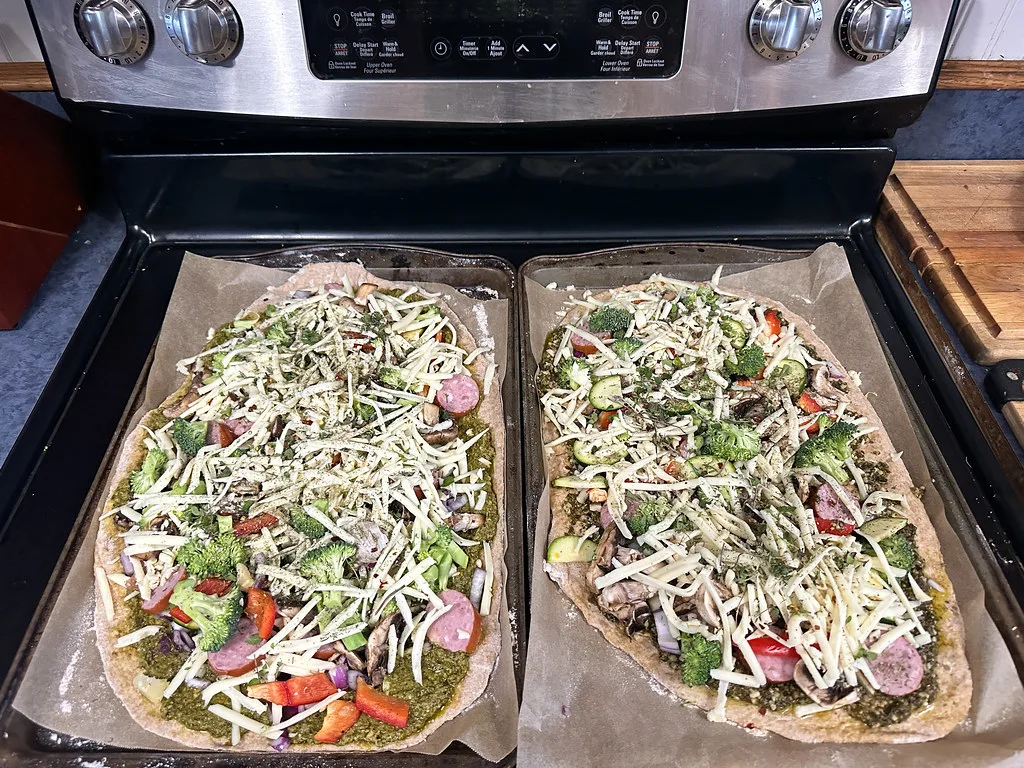
- Broccoli and Cauliflower: Great for texture and nutrients.
- Bell Peppers: Any color works, adding sweetness and crunch.
- Onions and Garlic: Essential for flavor base.
- Mushrooms: Add an earthy, savory depth.
- Leafy Greens: Spinach, bok choy, and kale wilt down nicely.
- Zucchini and Yellow Squash: Cook quickly and absorb flavors.
- Snap Peas and Green Beans: Offer a satisfying crunch.
Be mindful of starchy vegetables like corn, peas, or potatoes, as these will carry points.
Bases & Starches: Sweetening the Deal (or Not)
While not strictly part of the stir-fry itself, what you serve it on can be a major point contributor.
- Shirataki Noodles: These are made from konjac root and are virtually zero points, offering a noodle-like texture.
- Cauliflower Rice: A popular low-point alternative to traditional rice.
- Small Portions of Brown Rice or Quinoa: If you choose these, measure carefully. A standard 1/2 cup cooked portion is a good target to stay within points.
Large servings of white rice or wheat-based noodles will add a significant number of points to your meal.
Oils: The Stealth Points Stealer
This is a crucial area for point control. Oil is calorie-dense, and a little goes a long way in terms of points.
- Cooking Spray: Your best friend here. It allows you to stir-fry with minimal to no added oil points.
- Measured Oil: If you must use oil, measure it precisely. 1 teaspoon of olive oil or sesame oil is about 1 teaspoon by volume and carries points. Many recipes call for 1-2 tablespoons which can add 4-6 points per serving just from the oil alone.
Sauces: Where Flavor Meets Fortune (or Folly)
Bottled stir-fry sauces are convenient but often loaded with sugar and sodium, translating to high points. Making your own gives you complete control.
- Low-Point Ingredients We'll Use: Reduced-sodium soy sauce or tamari, rice vinegar, fresh ginger, fresh garlic, sriracha, and sometimes a splash of low-sodium broth.
- Things to Watch: Pre-made sauces labeled "stir-fry sauce," oyster sauce, hoisin sauce, and anything with a long ingredient list that includes multiple sugars or oils.
Nuts & Seeds: Crunch with Caution
While nuts and seeds add a lovely texture and flavor, they are very high in points due to their fat content. If you want that crunch, use a very, very small amount, like 1 teaspoon of chopped peanuts or sesame seeds, for the entire stir fry, and account for those points.
Whipping Up the Perfect WW Stir-Fry Sauce
This is arguably the most critical step for creating a Weight Watchers stir fry that's both delicious and points-friendly. Those ready-made bottled sauces can really sabotage your efforts. Crafting your own from basic ingredients allows you to control every point.
The Flavor Builders: Soy Sauce, Vinegar, Aromatics
Your sauce needs a solid flavor base. We'll build this with readily available, low-point staples.
- Soy Sauce or Tamari: Go for reduced-sodium versions to help manage your intake. They provide that essential salty, umami depth.
- Rice Vinegar: This adds a bright, tangy counterpoint that cuts through richness and lifts the other flavors.
- Fresh Garlic and Ginger: These are non-negotiable for authentic stir-fry flavor. Minced garlic and grated ginger release fantastic aromas and taste. Don't skimp here!
Heat and Sweetness: Optional Boosters
Depending on your preference, you can add a little kick or a hint of sweetness.
- For Heat: Sriracha, red pepper flakes, or a dash of chili garlic sauce add a welcome warmth. Use these to your spice tolerance.
- For Sweetness: This is where you need to be most careful. If you absolutely crave a touch of sweetness, a tiny amount of zero-calorie sweetener (like stevia or erythritol) is the best bet. Alternatively, a barely-there half-teaspoon of honey or maple syrup can be used very sparingly for the whole batch to manage points. Many pre-made sauces rely heavily on sugar, so be vigilant.
A simple whisking together of these components in a small bowl is all that's needed. Taste and adjust before adding it to your stir fry to ensure it hits the right notes for you. A common ratio to start with might be 3 tablespoons soy sauce, 1 tablespoon rice vinegar, 1-2 cloves minced garlic, and 1 teaspoon grated ginger per serving of stir fry.
Putting It All Together: The Steps
Now that you've got your ingredients sorted and your sauce ready, it's time to bring it all to life. Stir-frying is all about speed and high heat, so having everything prepped beforehand is key to success.
Prep Like a Pro
This stage is non-negotiable for a smooth stir-fry experience. Before you even think about turning on the stove, chop all your vegetables into bite-sized, uniform pieces. Slice your protein thinly against the grain for tenderness. Mince your garlic and grate your ginger.
Measure out any liquids for your sauce and whisk them together in a small bowl. If you're using shirataki noodles or cauliflower rice, have them ready to go.
The Cook: From Raw to Ready
Heat your wok or large skillet over medium-high to high heat. Add your chosen cooking oil (or liberally use cooking spray). Once the pan is hot, add your protein. Stir-fry until it's almost cooked through, then remove it from the pan and set it aside.
This prevents it from overcooking while the veggies do their thing. Now, add your firmer vegetables like broccoli florets and bell pepper strips to the hot pan. Stir-fry for 2-3 minutes until they start to brighten up and soften slightly. Add your more delicate vegetables, like spinach or sliced mushrooms, and stir-fry for another minute.
Sauce It Up!
Return the almost-cooked protein to the pan with the vegetables. Give your prepared stir-fry sauce a quick re-whisk and pour it evenly over the ingredients in the pan. Stir constantly for 1-2 minutes, allowing the sauce to bubble and thicken slightly, coating all the ingredients beautifully. If you're using a cornstarch slurry to thicken, add it now and stir until thickened.
Serve immediately over your chosen base or enjoy it on its own.
What About Different WW Plans?
The beauty of this approach to Weight Watchers stir fry is its adaptability across different WW programs. Whether you're following the current plan framework or have followed past iterations, the core principles remain the same. The focus on loading up on ZeroPoint foods like non-starchy vegetables is a universal plus.
If your plan emphasizes specific food groups, you can tailor your protein and vegetable selections accordingly. For example, if your plan highlights lean proteins, chicken breast or shrimp are excellent choices. If it's more plant-forward, extra-firm tofu becomes your star. The key is understanding how different ingredients translate to your specific points system, but this recipe's foundation is universally sound.
Smart WW Protein Choices
When building your Weight Watchers stir fry, the protein component is where you can significantly impact the points. Leaner options will always be your best bet for maximizing volume and satiety without a high point cost.
- Chicken Breast or Turkey Breast: These are top-tier choices at around 1 point per 3 ounces cooked, depending on the specific WW plan. They cook quickly and are very "point-neutral."
- Shrimp: Generally falls in a similar point range to chicken breast, making it another excellent, fast-cooking option.
- Tofu (Firm/Extra-Firm): Typically around 1-2 points per 3 ounces, tofu offers a fantastic plant-based alternative that absorbs marinades and sauces well.
- Lean Fish: White fish like cod or tilapia are also good, low-point options, though they can be more delicate to stir-fry.
Be aware that cuts like beef sirloin, pork tenderloin, or even chicken thighs will carry more points per serving than their leanest counterparts.
Veggie Powerhouses: The 0-Point All-Stars
This is where you get to be abundant! The Weight Watchers program designates a wide array of non-starchy vegetables as ZeroPoint foods, meaning you can eat them freely without them counting towards your daily points.
This practically begs you to pile them into your stir fry. Think broccoli florets, colorful bell peppers (red, yellow, green), crisp snap peas, earthy mushrooms, tender bok choy, zucchini slices, and onions. These vegetables not only add bulk and satisfaction but also provide essential vitamins, minerals, and fiber. As of 2026, the list of ZeroPoint vegetables remains robust, encouraging their inclusion in daily meals.
Bases & Starches: Sweetening the Deal (or Not)
While the stir-fry itself can be low-point, your base can either complement or complicate your point goals. Choosing the right foundation for your stir fry is just as important as the ingredients within it.
- Shirataki Noodles: These are made from the glucomannan fiber of the konjac plant. They are virtually calorie-free and ZeroPoint on most WW plans. They offer a noodle-like texture but require rinsing and sometimes a quick sauté to remove any residual "watery" taste.
- Cauliflower Rice: Another excellent ZeroPoint option, cauliflower rice provides a grain-like base that’s packed with nutrients. It's easy to make yourself or buy pre-riced.
- Brown Rice or Quinoa: If you prefer traditional grains, carefully measure your portions. A standard 1/2 cup cooked serving of brown rice is typically around 5-6 points, and quinoa is similar. These are much higher in points than the ZeroPoint alternatives.
A comparison shows the stark difference: 1 cup of cauliflower rice is 0 points, versus 1 cup of cooked brown rice which can be 9-11 points.
