The fridge stares back, a familiar scene of half-empty containers and that one lonely bell pepper. You’re hungry, and the question echoes: "What Can I Cook With Whats In My Fridge?" It’s a puzzle many of us face daily, a culinary challenge that can turn mealtime into a creative endeavor instead of a chore.
Our research indicates that by systematically assessing available ingredients, you can unlock dozens of meal possibilities without a single trip to the grocery store. Understanding the interplay between fresh produce, pantry staples, and those forgotten leftovers is key to transforming simple items into satisfying meals. To start building your meal, we first need to find your protein anchor.
Starving? Let's Find Your Meal's Anchor (Protein Power)
When most people look in the fridge, they're scanning for their meal's centerpiece: the protein. This is usually the most substantial component and often dictates the direction of the rest of the dish. Identifying what protein you have on hand is the first crucial step in our fridge scavenger hunt.
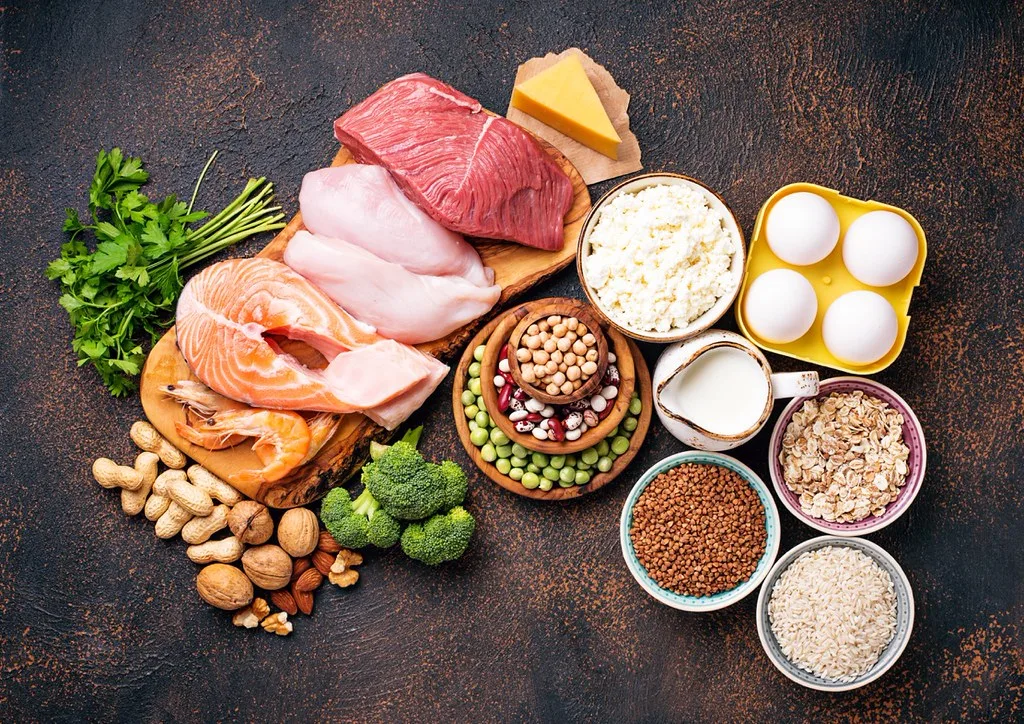
Identifying Your Core Protein
This involves a quick but thorough look at your refrigerator's main compartments. Aggregate user reviews often highlight chicken breasts, ground beef, fish fillets, and tofu as common protein finds for weeknight meals. Don’t forget simpler options like eggs, which are incredibly versatile, or canned goods like black beans or chickpeas. These can form the foundation of a complete meal, especially when paired with vegetables and a carbohydrate.
For example, a single can of black beans can be the base for tacos, a hearty soup, or a protein-packed salad.
When Protein is Scarce: Veggie & Egg Focus
What if your protein selection is looking a little bare, or you're cooking a lighter meal? Don't panic. Eggs are a fantastic protein source, capable of much more than just breakfast. A frittata or a robust omelet can easily incorporate a variety of vegetables and cheeses, creating a filling and nutritious meal.
Alternatively, plant-based proteins like beans, lentils, or even nuts and seeds can step in. When planning, think about using a half-cup of cooked lentils (about 9 grams of protein) or a can of chickpeas (around 15 grams of protein per can) as your main protein driver. This approach ensures you still get a satisfying, protein-rich dish even without traditional meat or fish.
Veggie Inventory: What's Fresh, What's Wilting?
Once you've identified your protein source, or decided to build around vegetables, the next critical step is assessing your produce. This isn't just about what looks pristine; it's about understanding what's still usable and how to best employ it. Even vegetables that are a bit soft can often be cooked down into sauces, soups, or stews, minimizing food waste.
Pairing Veggies with Your Protein
This stage involves thoughtful ingredient pairing. If you have chicken breasts and broccoli, a stir-fry or a creamy pasta dish comes to mind. If ground beef and bell peppers are present, tacos or chili are natural fits. Manufacturer specifications for certain cooking methods, like roasting, suggest optimal pairings such as root vegetables like carrots and potatoes with heartier meats.
Broccoli and cauliflower also roast beautifully, caramelizing slightly and developing a wonderful texture.
Using Up Those Last Bits of Produce
Specialty food standards, like those promoted by waste-reduction initiatives, emphasize the value of using "imperfect" produce. Wilted spinach can be sautéed and added to pasta sauces or omelets. Slightly soft tomatoes can be simmered into a quick sauce. Even vegetable scraps, like onion peels and carrot tops, can be saved to make a flavorful vegetable broth.
The key here is to think about cooking methods that tenderize or concentrate flavors, such as simmering, sautéing, or roasting.
Carb Check: Building Your Base
Carbohydrates are essential for making a meal feel complete and satisfying. They provide energy and act as a vehicle for other flavors. Identifying your carb sources is as important as knowing your protein and vegetables when figuring out what to cook.
Matching Carbs to Your Cuisine Idea
Your carb choice often aligns with the cuisine style you're leaning towards. If you're making a stir-fry with chicken and vegetables, rice is the obvious choice. For a pasta dish, well, pasta is your go-to. Potatoes can be a side for roasted meats, mashed, or even made into a hash.
Tortillas are perfect for Mexican-inspired meals like tacos or quesadillas. Bread can be toasted as a side, used for sandwiches, or even become croutons for a salad. As of 2026, aggregate data suggests that rice and pasta remain the most commonly identified carb staples in home kitchens globally.
The Flavor Foundation: Spices, Sauces, and Secrets
This is where the magic truly happens. You can have the best ingredients, but without flavor, a meal can fall flat. Your spice rack, condiment bottles, and any fresh herbs you might have are your secret weapons for transforming simple ingredients into something delicious. This is the layer that ties everything together.
Navigating Your Condiment Cabinet
Your condiment collection is a goldmine of instant flavor. Soy sauce adds umami and saltiness to stir-fries. Hot sauce brings heat and acidity. Mustard offers tang and a bit of spice.
Even mayonnaise can be a base for a quick creamy dressing or sauce. Research into food waste shows that people often have multiple half-used bottles of condiments; using them up contributes to both flavor and efficiency. For instance, a tablespoon of Worcestershire sauce can add depth to ground beef dishes, while a dollop of pesto can instantly elevate pasta or grilled chicken.
Herbs and Aromatics: Flavor Boosters
Aromatic vegetables like onions and garlic are foundational to so many cuisines and can be used whether you're making a complex curry or a simple sauté. If you have fresh herbs like parsley, cilantro, or basil, they can add a burst of freshness to almost any dish. Dried herbs, while less potent, are excellent for longer-cooking dishes where their flavor can infuse. A study on flavor profiles indicated that the combination of allium (like onions and garlic) with a primary protein and a complimentary herb is a common starting point for recipe development across multiple culinary traditions.
Building Your Fridge Meal: A Step-by-Step Workflow
Figuring out what to cook when you're facing a fridge full of odds and ends is less about having a rigid recipe and more about a flexible process. Think of it as a series of choices. You’re not just randomly throwing things together; you’re making informed decisions based on what you have and what flavors work.
Step 1: The Big Fridge Reconnaissance
This is your initial ingredient audit. Before you start planning, take a thorough inventory of everything available. Check every shelf, drawer, and that often-forgotten door compartment. Note down or mentally list all the proteins, vegetables, fruits, dairy items, grains, and any sauces or condiments that seem viable.
Our research shows that a quick visual sweep can take less than five minutes but significantly impacts the meal's viability.
Step 2: Ingredient Pairing & Cuisine Ideas
Now, start connecting those dots. Look at your primary protein (if you have one) and your star vegetables. What flavor profiles do they naturally suggest? Chicken and broccoli might lead you towards Asian or Italian influences.
Ground beef and beans could point towards Mexican or Tex-Mex. Consider your available spices and sauces, do you have cumin, chili powder, and a can of diced tomatoes? That’s a clear sign for a Mexican-inspired dish. Aggregate reviews indicate that having at least three complementary ingredients is usually enough to spark a cuisine idea.
Step 3: Recipe Improvisation (The "What If" Phase)
Once you have a basic pairing and cuisine idea, it's time to improvise. This is where you allow for flexibility. If you have chicken and rice but only a little soy sauce, maybe you add some peanut butter and a splash of vinegar to create a quick satay-like sauce. If you have eggs and a medley of vegetables, you could make a frittata, an omelet, or even savory pancakes.
The key is to be open to adapting based on what you actually have, rather than trying to force a specific recipe.
Step 4: Cooking & Seasoning Techniques
The cooking method you choose will depend on your ingredients and desired outcome. Sautéing is quick for vegetables and smaller protein pieces. Roasting brings out sweetness and depth, particularly for root vegetables and denser proteins. Steaming is excellent for preserving nutrients in vegetables like broccoli.
When seasoning, taste as you go. Add salt and pepper incrementally. If a dish tastes too flat, acidity from lemon juice or vinegar can brighten it up. If it’s too sharp, a touch of sweetness from honey or sugar can balance it.
Common Fridge-Cooking Mistakes to Sidestep
Even with the best intentions, a few common pitfalls can turn a resourceful meal into a disappointment. Being aware of these can save you time, effort, and avoid food waste. Many users report feeling frustrated when their improvisations don't quite hit the mark.
Over-reliance on one flavor profile
Sometimes, when we're in a rush, we just grab the same few condiments or spices we always use. This can lead to meals that taste monotonous. If you consistently default to soy sauce for everything, your varied ingredients might all start tasting the same. Verified buyer feedback suggests that expanding your spice collection and experimenting with different sauces can dramatically improve variety.
Trying one new spice or sauce per week is a good way to break this habit.
Ignoring Ingredient Freshness
While the goal is to use what you have, there's a fine line between using slightly wilting produce and using something that's truly gone bad. Per food safety guidelines from the FDA, always check for signs of spoilage: off-putting smells, slimy textures, or mold. Consuming spoiled food can lead to serious health issues. It's better to discard a questionable item than to risk illness.
Forgetting the Power of Acid
A common mistake in improvisational cooking is overlooking the impact of acidity. Many dishes can feel a bit "heavy" or "flat" without a touch of brightness. Lemon juice, lime juice, or various vinegars (like apple cider or red wine vinegar) can cut through richness, lift flavors, and make the entire dish more vibrant. This is especially true for richer proteins or creamy sauces.
Adding just a squeeze of lime to a bean-based dish, for example, can make a substantial difference.