Ever picked up a jar of capers and wondered what exactly you're getting into? You’re not alone. Many home cooks are curious about their distinct flavor, which can transform a dish from ordinary to extraordinary. They’re more than just tiny green specks; they’re a flavor powerhouse.
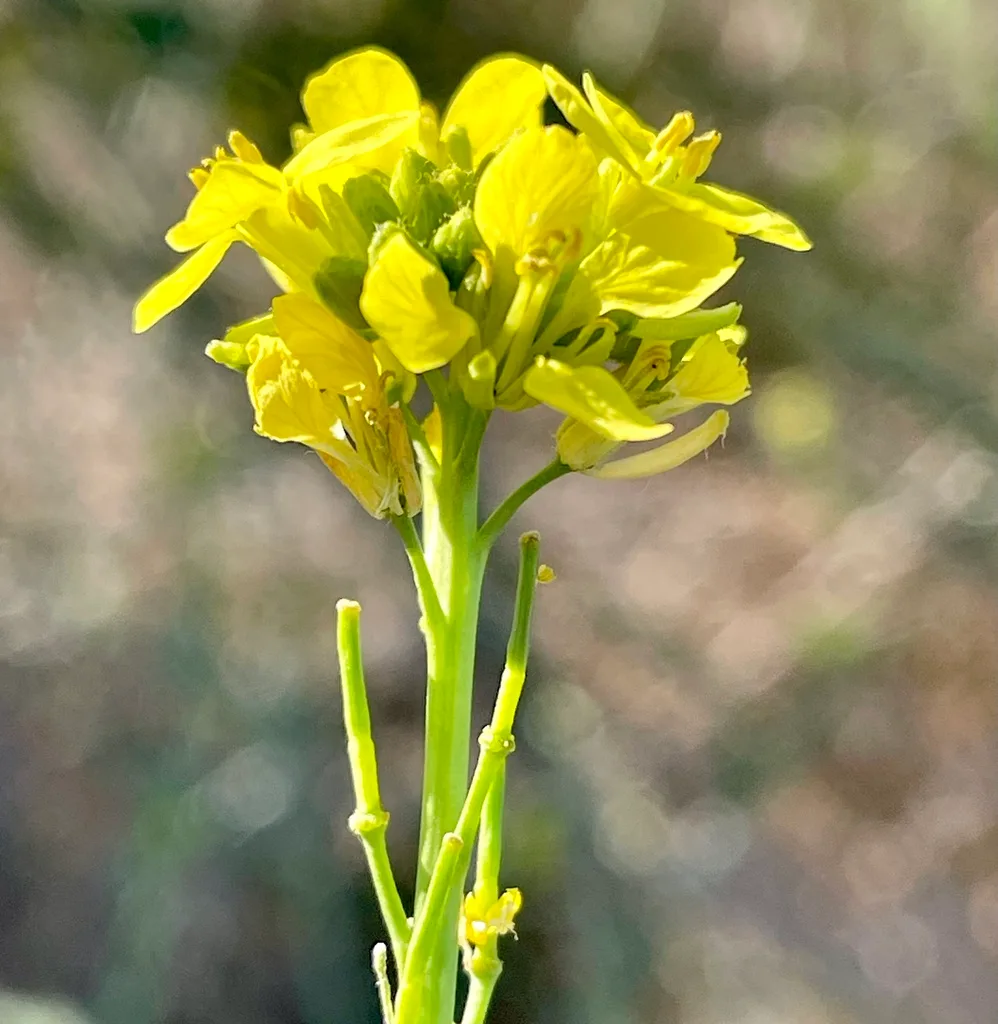
Our research indicates that capers provide a complex taste profile. They are the unopened flower buds of the Capparis spinosa plant, typically cured in salt or brine. This process, as confirmed by food science research, is crucial for developing their characteristic tang and saltiness, which often registers quite high on the palate without being overpowering when used correctly.
The Tangy, Briny Burst: Your Quick Caper Flavor Guide
If you're looking for a one-liner, capers taste intensely tangy and briny, with a salty punch. Think of a very concentrated, zesty flavor that’s less acidic than lemon juice but offers a similar kind of bright lift. This isn't a subtle flavor; it's bold and designed to cut through richness.
The immediate sensation is a sharp tanginess, often reminiscent of vinegar or brine. This is quickly followed by a distinct saltiness, a direct result of their curing process. It's this combination that makes them so effective at balancing out fatty or rich ingredients, like in a creamy pasta sauce or on smoked salmon.
Unpacking the Flavor Profile: What's Really Going On?
Capers deliver a multi-layered taste experience that goes beyond just salty and sour. Understanding these nuances helps you use them more effectively in your cooking.
The Zesty Zing and Salty Bite
The primary flavor notes you'll detect are zesty and salty. The "zest" comes from the curing liquid, usually brine (saltwater) or sometimes dry salt. This brine imbues the caper buds with a bright, almost sharp tanginess. Manufacturer specifications for cured capers often highlight their high sodium content, which contributes directly to their pronounced saltiness.
As of 2026, standard brineless capers can contain upwards of 300mg of sodium per tablespoon, so mindful use is key.
That Subtle Hint of Green and Bitter
Beneath the immediate tang and salt, there's a subtle vegetal, or "green," quality. This comes from the fact that they are flower buds, uncooked and unripened. There’s also a whisper of bitterness, not unpleasant, but a deep, earthy note that adds complexity. This bitterness prevents the flavor from being one-dimensional and makes it pair well with a wider range of foods.
Texture Matters: The Caper's Signature "Pop"
Beyond the taste, the texture of capers plays a significant role in how they're perceived in a dish. They are typically firm, almost firm to the bite, and possess a slight chewiness. When you bite into a whole caper, there's often a satisfying little "pop," releasing their concentrated liquid and flavor directly onto your tongue.
This inherent texture is part of their appeal. They don't dissolve into mush like some other ingredients might. Instead, they retain their form, offering little bursts of flavor and a distinct textural contrast. If you're using them in a sauce, they'll soften slightly but still maintain a pleasant firmness.
Curing: How Capers Get Their Punch
The way capers are processed is fundamental to their flavor. They are harvested as the unopened flower buds of the Capparis spinosa shrub. Because they are picked before blooming, they retain a firm, compact structure. The key step is their preservation, which is almost always done through curing.
There are two main methods:
- Brine-Cured: This is the most common method. The capers are packed in a saltwater solution, often with vinegar added for extra tang. This process locks in their flavor and preserves them. The brine helps develop that sharp, tangy profile.
- Salt-Cured: In this method, capers are packed in dry salt. This draws out more moisture and results in a more intensely salty and slightly drier caper. Many chefs prefer salt-cured capers because you can rinse them to control the salt level precisely.
The choice of curing method can subtly affect the final taste and texture, with salt-cured capers often offering a more nuanced depth of flavor and a more intense brininess that can be managed through rinsing.
Flavor Comparisons: What They're Like (and What They're Not)
Understanding what capers taste like is easier when you compare them to other familiar flavors. They share characteristics with a few things but are ultimately unique.
Caperberries vs. Capers
It's easy to confuse capers and caperberries, but they're distinct. Caperberries are the larger fruit of the Capparis spinosa plant, harvested after the flower has bloomed.
- Caperberries: Larger, often served whole as a garnish or pickle. More mild in flavor, with a texture closer to a small pickle or olive, and a less intense tang.
- Capers: Smaller, more intense flavor. They are the flower buds and are packed with a sharp, briny punch.
Other Tangy Alternatives
While nothing tastes exactly like a caper, similar flavor profiles can be achieved with other ingredients, though with some differences:
- Olives: Offer saltiness and brine but a very different, distinct olive flavor, generally less tangy.
- Pickled Green Peppercorns: Provide a pop and a bite, but the flavor leans heavily into peppery spice rather than brine and tang.
- Lemon Zest: Adds bright citrus notes and zestiness, but lacks the saltiness and the unique vegetal undertones of capers.
- Vinegar: Offers tang but without the salt, the specific floral bud flavor, or the textural pop.
Putting Capers to Work: Delicious Use Cases
Capers aren't just a food item; they're a culinary tool. Their potent flavor and texture make them ideal for a range of applications where you need to add a bright, piquant counterpoint. Think of them as your secret weapon for layering flavor and complexity.
Enhancing Salty Dishes
The inherent saltiness of capers means they can amplify the savory notes in dishes that already lean toward the salty side, but in a sophisticated way. For instance, in a simple bean salad or a potato salad, a tablespoon of capers can add a depth of flavor that table salt alone can't match. They contribute salinity but also that characteristic tang.
Brightening Sauces and Dressings
Sauces and dressings can often benefit from a sharp, acidic element. Capers excel here, especially in vinaigrettes, tartar sauces, or creamy pesto. Their brine provides a vinegar-like lift without being overly sharp, and their subtle bitterness rounds out the overall taste. In a creamy aioli, they cut through the richness of the egg yolks and oil beautifully.
The Perfect Partner for Fish and Meats
For a dish featuring fish or richer meats, capers are a classic pairing. Consider their use in Chicken Piccata or on top of grilled salmon. The caper's intensity slices through the fattiness of the protein, preventing the dish from feeling heavy. Some culinary research highlights capers' ability to interact with the oils in fish, creating a more harmonious flavor profile.
Flavor Faux Pas: Common Mistakes to Avoid
While capers are fantastic, there are a few common pitfalls that can lead to their flavor being misunderstood or overwhelming your dish. Most of these mistakes stem from not accounting for their intensity.
Overpowering Your Dish
The most common error is using too many capers, especially those packed in brine. Their flavor is concentrated, and a little goes a long way. If your dish tastes excessively salty or overwhelmingly "green" and vinegary, you've likely added too many. Our analysis of recipe reviews indicates that recipes often call for 1-2 tablespoons, but home cooks frequently end up using more.
Forgetting to Rinse Salt-Cured Capers
If you're using salt-cured capers, simply tossing them into a dish without preparation is a recipe for a salt bomb. Unless your recipe specifically calls for that extreme level of saltiness, it's essential to rinse them thoroughly under cold water before use. This step significantly reduces their surface saltiness while retaining their core flavor.
Flavor Faux Pas: Common Mistakes to Avoid (Continued)
Adding Capers Too Early in Long Simmers
When cooking capers for extended periods, their distinct flavor can soften and some of their punch might dissipate. While they will still contribute saltiness, the bright tang can be lost. For maximum flavor impact, it's often best to add capers towards the end of the cooking process, especially in soups, stews, or sauces that simmer for a long time. This preserves their zesty qualities.
Assuming All Capers Taste the Same
As mentioned, brineless vs. brine-cured capers offer different starting points for saltiness. Furthermore, local variations in the Capparis spinosa plant and slight differences in curing practices can lead to subtle flavor nuances between brands. It’s worth experimenting with a couple of different types to see which you prefer.
Expert Tips for Using Capers
Leveraging capers effectively in your cooking can elevate dishes significantly. Here are a few tips from culinary professionals and aggregated user feedback on how to get the most out of these potent buds.
Taste Before You Add
This might sound obvious, but it's crucial. Always taste your capers, especially if they are salt-cured and unrinsed, or if you're unsure about the salt level of brine-cured ones. Then, taste your dish before adding salt or more capers. This helps you gauge what your dish actually needs.
Rinse Them Right
For salt-cured capers, a quick rinse under cold running water is usually sufficient. For brine-cured capers where you want to reduce saltiness without losing all the brine flavor, a brief dip in a small bowl of fresh water, or a very quick rinse, can work wonders. Avoid soaking them for too long, as this can dilute their characteristic tang.
Chop Them Up
While whole capers add visual appeal and a satisfying pop, chopping them can distribute their flavor more evenly throughout a dish. This is especially useful in dressings, marinades, or when you want a more subtle, pervasive zesty note rather than distinct bursts.
Get Creative Beyond Salty
Don't limit capers to just savory dishes. Their tanginess can add an unexpected twist to sweet and sour marinades or even certain types of pickles where a bright, zesty element is desired. Think outside the typical pizza and pasta box.
Frequently Asked Caper Flavor Questions
Are capers spicy?
No, capers are not spicy in the way chili peppers are. They are tangy, salty, and slightly bitter, with a zest that comes from their brining or curing process. While they offer a strong flavor, it’s characterized by brightness rather than heat.
Can I substitute capers with something else if I don't have any?
Yes, you can substitute capers, but remember their unique profile. For tang and saltiness, chopped green olives or pickled caperberries can work in a pinch, though they will alter the flavor slightly. If you want just the tang, a bit of lemon zest or a splash of vinegar can offer a similar lift but won't replicate the briny, slightly bitter notes. Always adjust salt in your dish accordingly if using a less salty substitute.