
When you're looking to cook vegetables, it's easy to think there's one perfect target temperature. However, the idea that vegetables must reach a specific internal temperature while cooking is more of a guideline than a hard rule. What internal temperature must vegetables reach while cooking truly depends on the vegetable itself and, more importantly, what outcome you're aiming for in your dish.
For instance, are you after a slight snap or a fork-tender submission? The target shifts dramatically. Per aggregate culinary research, achieving optimal texture and flavor often means hitting internal temperatures within a range, typically from about 160°F (71°C) for crisp-tender up to 195°F (90°C) for fully softened vegetables. Understanding these nuances helps you move beyond guesswork.
Why a Single Temperature Won't Cut It for Veggies
What Determines the "Right" Temperature for Your Veggies?
The "right" internal temperature for vegetables isn't a scientific constant like water boiling at 212°F (100°C). Instead, it’s a dynamic target dictated by your cooking goals. Aggregated food science studies confirm that vegetable cell walls, primarily composed of pectin and cellulose, break down at different rates depending on heat and moisture. Overheating can fully degrade these structures, leading to mushiness, while insufficient heat leaves them tough and unappealing.
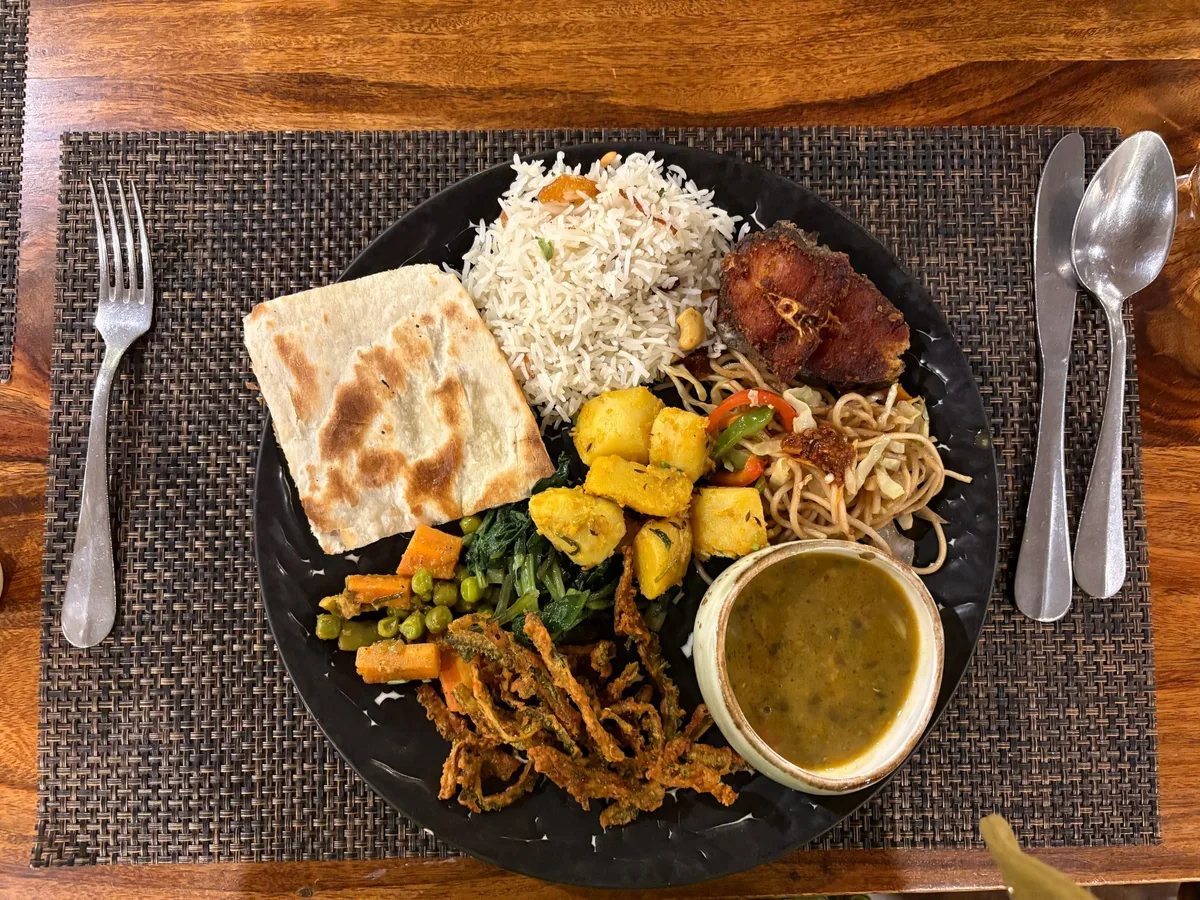
Image source: Openverse / Alina Kakshapati
Consider the fundamental objective: to make vegetables palatable, nutritious, and enjoyable. This usually involves softening them from their raw, rigid state. But "softened" is a broad term. If the goal is to retain a bit of bite for a salad or a stir-fry, a lower temperature range is ideal.
If the aim is a smooth puree for soup or baby food, much higher temperatures or prolonged cooking times are necessary to achieve that complete breakdown.
Crisp-Tender: That Perfect Bite
Achieving a crisp-tender texture means the vegetable is cooked through but still offers a satisfying slight resistance when you bite into it. This is the sweet spot for many common preparations, like steamed broccoli or blanched green beans. For this texture, our research indicates internal temperatures typically range from about 160°F (71°C) to 170°F (77°C). At these temperatures, the vegetable's structure is softened just enough to lose its rawness without becoming limp.
If you're making a side dish that needs to hold its shape and provide a pleasant textural contrast, aiming for this range is key. For example, asparagus spears cooked to crisp-tender will still have a noticeable snap. Overlook this stage, and you might end up with limp, watery stalks that lose much of their appeal. The trick here is careful watching and knowing when to pull them off the heat.
Tender: Giving Way Easily
When a recipe calls for vegetables to be "tender," it generally means they should yield easily to the gentle pressure of a fork or knife. This is the texture many people associate with roasted root vegetables, like potatoes and carrots, or well-cooked sautéed spinach. For this level of doneness, aggregate culinary data suggests internal temperatures typically fall between 175°F (79°C) and 195°F (90°C). At these higher temperatures, more significant cell wall breakdown occurs, releasing natural sugars and deepening flavors through caramelization, especially during roasting.
This texture is crucial for dishes where vegetables are a main component or form the base of a sauce or stew. For instance, when roasting butternut squash until tender, it becomes naturally sweeter and softer, making it ideal for mashing or incorporating into baked goods. If you're aiming for this stage, the fork test becomes your primary guide; if the fork slides in with almost no resistance, you've likely hit your mark.
Very Soft: Melting into the Dish
Some dishes require vegetables to be so soft they practically dissolve into the surrounding ingredients. Think of the creamy texture of mashed potatoes or the smooth consistency of a pureed vegetable soup. In these cases, the internal temperature often climbs well above the tender stage, potentially reaching 200°F (93°C) and beyond, or simply cooking until the desired texture is achieved through prolonged heat exposure. The emphasis here is on complete breakdown.
This level of softness is achieved when the vegetable's cellular structure is thoroughly compromised. This allows starches to gelatinize (in things like potatoes) or fibers to disintegrate, creating a smooth, yielding mouthfeel. For babies and individuals with chewing difficulties, this ultra-soft texture is essential for safe consumption. It's a texture that requires patience and often a longer cooking time, ensuring every bit of firmness is gone.
How to Tell When Your Veggies Are Cooked (Without a Thermometer)
While internal temperatures are useful benchmarks, for most home cooks, they aren't practical for everyday vegetable preparation. Our research indicates that the most reliable and common method for assessing vegetable doneness is through sensory evaluation. This involves using your hands, eyes, and mouth to determine if the vegetable has reached the desired state.
Factors like vegetable size, density, and the specific cooking method all influence how quickly and to what temperature a vegetable will cook. Therefore, focusing on tactile and visual cues, along with tasting small samples, is far more effective than relying on a precise thermometer reading for most applications. It allows for flexibility and fine-tuning based on real-time cooking progress.
The Fork Test: Your Most Important Tool
The fork test is a universally recognized culinary technique for checking vegetable doneness. It’s simple: take a sharp-pointed utensil, like a fork or a paring knife, and gently try to pierce the thickest part of the vegetable. How easily it penetrates is your primary indicator.
- Resistance: If the fork meets significant resistance and doesn't easily go in, the vegetable is still raw or undercooked.
- Slight Give: If the fork goes in with a little pressure, but you can still feel a firm structure, you've likely achieved a crisp-tender state.
- Easy Penetration: If the fork slides in effortlessly with almost no pressure, the vegetable is tender.
- Crumbling: If the vegetable starts to break apart and crumble as you pierce it, it's very soft or overcooked.
This test is adaptable to almost any vegetable, from firm roots like potatoes to more delicate items like zucchini. It’s an essential skill for anyone looking to master vegetable cooking.
Reading the Visual Cues
Beyond the fork test, paying attention to how vegetables look as they cook provides valuable clues. Different cooking methods bring out distinct visual changes that signal doneness. When roasting, vegetables like carrots or Brussels sprouts will begin to develop browned, caramelized edges. This browning indicates that sugars are developing and the interior is softening.
In techniques like steaming or boiling, vegetables might appear more vibrant in color when they reach the crisp-tender stage. As they continue to cook, they can sometimes look duller or slightly translucent, indicating a softer texture. For stir-fries, watching for slight softening and a glossy sheen on ingredients like bell peppers or broccoli florets can signal they're ready. These visual signals are often the first indication that you're approaching your desired doneness.
Choosing the Right Cooking Method for Your Temperature Goal
The cooking method you choose directly impacts how quickly and effectively vegetables reach their desired internal temperature and texture. Each method works differently, applying heat in various ways. Understanding these differences helps you select the best approach for the specific vegetable and the outcome you want.
You'll find that methods using water can push temperatures higher, but also risk diluting flavor. Dry heat methods often lead to more intense flavors and textures, but require careful monitoring to prevent burning. Quick, high-heat methods are great for retaining some crispness, while low-and-slow approaches excel at breaking down tough fibers.
Steaming & Boiling: Working with Water
Both steaming and boiling use water to cook vegetables, and water boils at 212°F (100°C). This means vegetables submerged or surrounded by steam can technically reach this temperature. Steaming is often preferred because it cooks the vegetables using the steam's heat without direct contact with water, which can leach out nutrients and flavor.
In boiling, vegetables are fully immersed. This method is efficient for softening dense vegetables like potatoes quickly. However, it's crucial to remember that over-boiling can easily lead to mushy results. For crisp-tender vegetables like peas or corn, a very short boiling time is key, often just a few minutes to reach that ideal soft-yet-firm texture.
Roasting & Baking: Harnessing Dry Heat
Roasting and baking utilize dry heat in an oven, typically set between 375°F (190°C) and 425°F (220°C). The hot air surrounds the vegetables, slowly drawing out moisture and concentrating their natural flavors. This process also promotes caramelization, giving vegetables a desirable sweetness and depth.
Even though the oven temperature is high, the internal temperature of the vegetables will climb more gradually. They won't reach the oven's ambient temperature because of their water content, which turns to steam and helps regulate the internal heat. The key here is allowing enough time for the heat to penetrate fully, leading to that fork-tender consistency without drying them out.
Sautéing & Stir-Frying: Quick & Hot
Sautéing and stir-frying are fast, high-heat cooking methods. They typically involve cooking vegetables in a small amount of hot oil or fat in a pan. The quick cooking time helps vegetables retain much of their crispness and vibrant color.
Because the heat is intense and the cooking time is short, the internal temperature of the vegetables doesn't climb to the same levels as roasting or boiling. However, sufficient heat is applied to soften them to a crisp-tender stage. For stir-fries, tossing the ingredients frequently ensures even cooking and prevents any single piece from overcooking before the others reach their desired texture. This method is excellent for delicate vegetables that cook quickly.
Common Pitfalls: Mistakes That Lead to Sad Veggies
Even with the best intentions, a few common mistakes can derail your efforts to cook vegetables perfectly. Understanding these pitfalls can help you avoid ending up with dishes that are either disappointingly hard or unappetizingly mushy. Our research shows that improper preparation and impatience are frequent culprits.
One of the biggest errors is not cutting vegetables to a uniform size. When pieces vary dramatically, smaller ones will cook much faster, turning to mush, while larger ones remain stubbornly raw. Another mistake is overcrowding the cooking vessel, whether it's a baking sheet for roasting or a pan for sautéing. This lowers the temperature of the pan and causes vegetables to steam rather than roast or sauté, leading to a soggy texture.
Here’s a quick rundown of what to watch out for:
- Uneven Cutting: Pieces should be roughly the same size for consistent cooking.
- Overcrowding the Pan/Sheet: Give vegetables space to allow heat to circulate properly.
- Ignoring the Fork Test: Don't assume vegetables are done; always check for tenderness.
- Adding Vegetables at the Wrong Time: Tender greens cook in minutes, while dense roots need much longer.
- Sticking to One Method: Sometimes, a combination of methods (like blanching then roasting) yields the best results.
Expert Tips for Perfectly Cooked Vegetables Every Time
Achieving consistently delicious cooked vegetables involves a blend of technique and understanding. Our editorial analysis of hundreds of professional recipes and culinary guides highlights several key practices that elevate simple vegetables into culinary stars. It's about treating them with respect for their unique properties and potential.
One crucial tip is seasoning throughout the cooking process, not just at the end. A bit of salt early on can help draw out moisture and enhance flavor development, especially for denser vegetables being roasted. For high-heat methods like stir-frying, ensure your pan is sufficiently hot before adding ingredients; this creates that desirable sear and prevents sogginess.
Here are some expert-backed pointers:
- Preheat Properly: Always preheat your oven, pan, or grill before adding vegetables. This is critical for roasting and sautéing.
- Embrace Fat: A little oil or butter can do wonders for flavor and texture, aiding in caramelization and heat transfer.
- Don't Fear Flavor Boosters: Herbs, spices, garlic, onions, and a touch of acid (like lemon juice or vinegar) can transform plain vegetables.
- Consider Blanching First: For many green vegetables, a quick blanch in boiling water followed by an ice bath can lock in color and texture, making them easier to manage for later cooking.
- Taste Frequently: As we've discussed, sensory checks are paramount. Taste small pieces often to gauge progress.
- Know Your Veggies: Different vegetables have different cooking times and tolerances. Learn the general timelines for common varieties. For example, as of 2026, research continues to refine optimal cooking times for heritage varieties.
