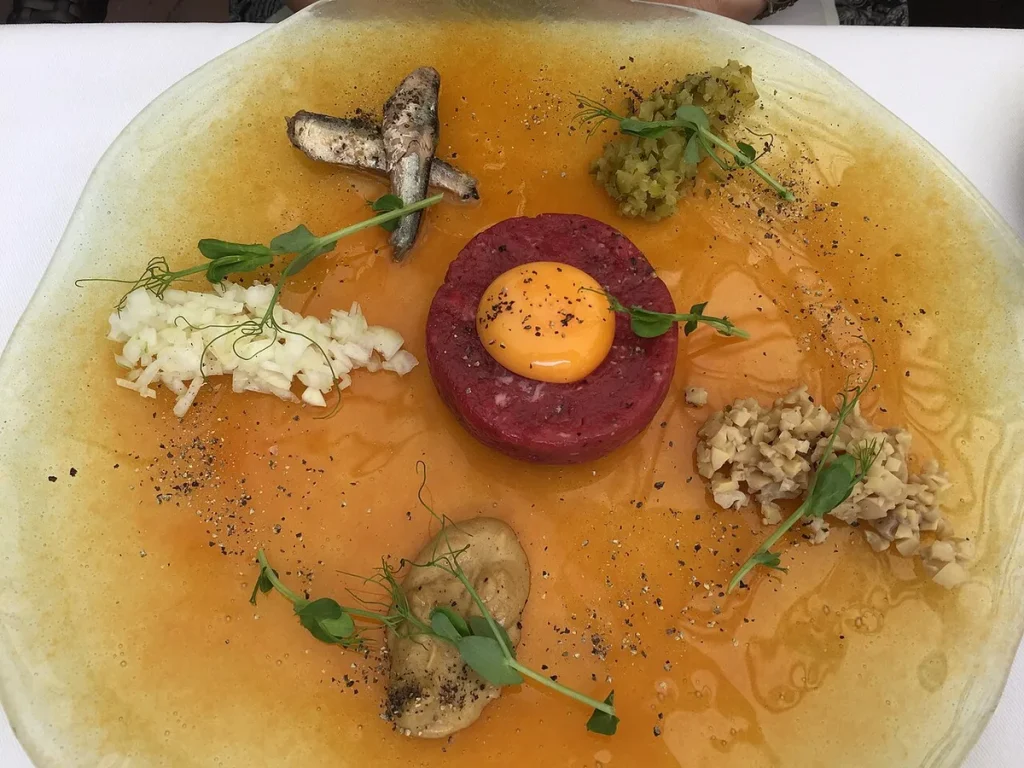

What Exactly Is Steak Tartare?
You've probably seen it on fancy menus or maybe even heard friends rave about it. Steak tartare. The name itself sounds a bit sophisticated, right? But what is it, really?
Is it something you should be curious about, or maybe a little wary of? Let's break it down, just like talking over a plate of great food. At its core, steak tartare is a dish made from finely chopped or minced raw beef. The key word here is raw.
That's the defining characteristic.
It's not just a hunk of raw meat, though. That would be… something else entirely. The magic of steak tartare is in how it's prepared after the beef is chopped. Think of it as a beautifully seasoned and artfully presented raw beef salad.
According to general culinary standards, the beef should be of a quality that is safe for consumption when prepared correctly, often requiring a minimum of USDA Grade Choice or higher for beef cuts used in such dishes.
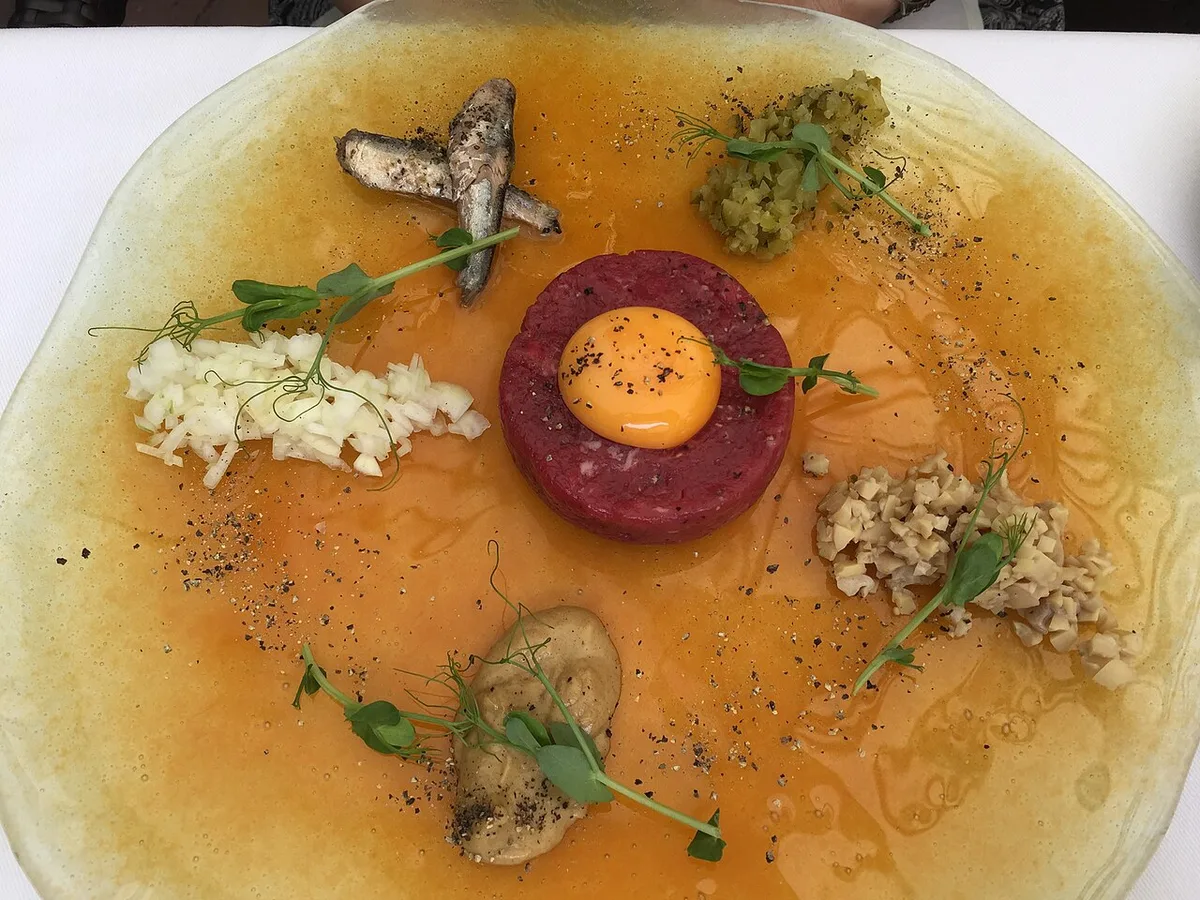
Understanding the Core: Raw Beef Done Right
At its heart, steak tartare is a celebration of high-quality raw beef. It’s a dish that relies entirely on the inherent flavor and texture of the meat. When we talk about steak tartare, we’re referring to a specific preparation where prime beef is meticulously cut, never ground, to achieve a delicate texture while retaining its integrity. This isn't about hiding anything; it's about showcasing the beef.
The Star Ingredient: Finely Chopped Raw Beef
The absolute central element of steak tartare is, of course, the beef. It's crucial that this beef is fresh and of the highest quality. Butcher specifications often recommend using cuts like sirloin, tenderloin, or a well-marbled ribeye for their tenderness and flavor. The beef isn't machine-ground; instead, it's painstakingly chopped by hand with a sharp knife.
This knife-chopping technique is vital because it helps to break down the meat fibers without bruising them, preserving a better texture. It's a small but significant detail that elevates the dish from merely raw meat to a refined culinary creation.
What Else Goes Into Steak Tartare?
Beyond the star beef, a handful of carefully chosen ingredients come together to create the complex flavor profile of steak tartare. These additions aren't just thrown in; they're precisely measured to complement, not overpower, the beef. You'll commonly find finely minced shallots or red onion, a briny kick from capers, and the sharp tang of finely diced cornichons or dill pickles. These provide essential acidic notes and textural contrast.
The seasoning also plays a key role. Worcestershire sauce brings a deep umami foundation, while Dijon mustard adds a subtle warmth and helps to emulsify the mixture. Seasoning with salt and freshly cracked black pepper is, naturally, paramount to bringing all the flavors to life. Each component is selected for its ability to enhance the overall dining experience.
How Steak Tartare Gets Its Flavor and Texture
The combination of ingredients in steak tartare is designed to create a symphony of tastes and mouthfeels. The raw beef offers a rich, beefy flavor that’s clean and pure. This richness is balanced by the sharp, bright notes of capers and pickles, which cut through the fat and cleanse the palate. The finely minced onion or shallots lend a subtle sweetness and a hint of pungent aroma.
The texture is just as important. The hand-chopped beef provides a tender, slightly yielding bite. This is then enhanced by the textural interplay of the capers and pickles, which offer small bursts of flavor and crunch. Often, a raw egg yolk is incorporated directly into the mix, or presented as a glossy crown on top.
This yolk emulsifies with the other ingredients, adding an unparalleled creaminess and luxurious mouthfeel that binds everything together beautifully.
Visuals: What to Look For in Steak Tartare
When you're presented with steak tartare, the visual appeal is often the first thing that draws you in. It's not just sustenance; it's artistry on a plate. Understanding what makes a steak tartare look "right" can help you appreciate its preparation and quality, even before you take your first bite. Visual cues can tell you a lot about the freshness of the ingredients and the skill of the chef.
The Classic Presentation: A Feast for the Eyes
The way steak tartare is presented speaks volumes about its place in cuisine. It’s rarely served haphazardly. Instead, you'll typically see it carefully shaped. A common molded form is a neat mound or a smooth, oval shape known as a quenelle, achieved with two spoons.
This precise shaping suggests attention to detail.
The most iconic visual element, however, is often the raw egg yolk. It’s frequently placed precisely in the center of the tartare mound. This vibrant, golden-orange yolk contrasts beautifully with the deep red of the beef and the lighter flecks of onion and capers. It’s not just decorative; it's an invitation to mix it in and create that signature creamy finish.
Alongside the tartare, you might find perfectly toasted baguette slices or a side of crispy fries, adding more visual texture and warmth to the presentation.
Key Visual Identifiers
When assessing a steak tartare visually, a few things stand out. First, the color of the beef should be a vibrant red, indicating freshness. A brownish or dull hue could suggest it's not as fresh as it should be. You’ll also want to see distinct, finely chopped pieces of beef, not a paste or mush.
The flecks of other ingredients, the green of capers and pickles, the translucent white of shallots, should be visible and evenly distributed.
The texture of the beef itself should look tender. If it appears stringy or tough, it might have been cut incorrectly. The egg yolk, if present on top, should be whole and glistening. Surrounding accompaniments like golden-brown fries or artfully arranged toast points add to the overall visual harmony.
Ultimately, a well-prepared steak tartare looks clean, fresh, and purposefully arranged, inviting you to enjoy its delicate flavors.
Is Steak Tartare Safe to Eat?
This is likely the biggest question on many minds when steak tartare is mentioned. Consuming raw meat always carries inherent risks, and understanding those risks is paramount. The safety of steak tartare depends heavily on several critical factors, from the quality of the sourcing to the precision of its preparation. Approaching this dish requires a discerning eye and trust in the establishment serving it.
Sourcing the Best Beef: Quality is Non-Negotiable
The foundation of safe steak tartare is exceptionally fresh, high-quality beef. Our research indicates that reputable chefs and restaurants will use specific cuts, often from the loin or sirloin, that are prized for their tenderness and lack of connective tissue. This beef must come from a trusted supplier who adheres to strict handling and freshness standards. The beef is typically handled by a butcher with extreme care to prevent contamination.
The quality isn't just about flavor; it's directly linked to ensuring the meat is as safe as possible for raw consumption.
Preparation Matters: Hygiene and Handling
Beyond the source, the preparation of steak tartare is where safety protocols are rigorously applied. Cross-contamination is the primary concern. All utensils, cutting boards, and preparation surfaces must be scrupulously cleaned and sanitized. Ingredient knives should be sharp, and the chopping process should be swift to minimize the time the beef is at room temperature.
This meticulous attention to hygiene is non-negotiable. Aggregated consumer feedback reports emphasize that establishments known for excellent steak tartare also demonstrate impeccable cleanliness in their kitchens.
Who Should Be Cautious?
While steak tartare is a delicacy enjoyed by many, certain individuals are at a higher risk from consuming raw or undercooked meats. These include pregnant women, young children, the elderly, and individuals with weakened immune systems due to medical conditions or treatments. Our research aligns with CDC guidelines which strongly advise these groups to avoid raw meat preparations. If you have any health concerns or a compromised immune system, it is always best to consult with a healthcare provider before ordering steak tartare.
Preparing Steak Tartare: A Chef's Approach
Crafting a truly memorable steak tartare goes beyond simply chopping meat. It involves a balanced approach to flavor, texture, and presentation. Many chefs consider the preparation a ritual, focusing on precision at every step. The goal is to create a dish that is both visually appealing and delicious, allowing the quality of the ingredients to shine through.
The Essential Steps
The making of steak tartare begins with the beef, which, as we’ve noted, must be very fresh and of a top-tier cut. It's then meticulously hand-chopped. Picture a sharp chef’s knife working swiftly, breaking down the meat into fine, consistent pieces rather than grinding it. This method is crucial for maintaining a pleasant, slightly toothsome texture.
Next comes the blending. Finely minced shallots or onion, capers, and cornichons are gently folded in. A judicious amount of Worcestershire sauce and Dijon mustard is added to tie the flavors together. Finally, the raw egg yolk, a key emulsifier and richness provider, is incorporated.
Some prefer to blend it directly, while others serve it whole on top, allowing the diner to mix it in themselves. Seasoning with salt and fresh black pepper is the final touch, adjusted to taste.
What to Serve Alongside
The accompaniments to steak tartare are designed to complement its delicate richness and provide textural contrast. The most classic partner is toasted baguette slices, often rubbed with a clove of garlic for an extra layer of flavor. Melba toast, a thinner, crispier cracker, is another popular choice.
Some establishments opt for a more substantial pairing, like slender, crispy french fries, offering a salty crunch that’s always a crowd-pleaser. A small, simple green salad, lightly dressed, can also be served to add a refreshing element to the meal. The aim is always to enhance the tartare experience without overshadowing its unique character.
Steak Tartare vs. Other Raw Dishes
When people talk about raw meat or fish preparations, steak tartare often gets compared to similar dishes. While they share the characteristic of being uncooked, the differences in ingredients, preparation, and cultural context are quite significant. Understanding these distinctions helps appreciate what makes steak tartare unique.
- Carpaccio: This Italian dish also features raw beef, but it's sliced paper-thin, often using a mandoline or specialized slicer. It’s typically dressed with olive oil, lemon juice, and parmesan shavings, offering a different texture and flavor profile than the chopped nature of tartare.
- Ceviche: Originating from Latin America, ceviche involves raw seafood (like fish or shrimp) that is "cooked" by the acid in citrus juices, usually lime or lemon. This process denatures the proteins, changing the texture from raw to opaque and firm, which is drastically different from the raw, tender beef in tartare.
- Sashimi: This Japanese delicacy consists of very thinly sliced raw fish or seafood, served without rice. The focus is on the pure, unadulterated flavor and texture of the freshest fish, often accompanied by soy sauce, wasabi, and pickled ginger.
Each of these dishes highlights raw ingredients but achieves its final form through distinct methods and flavor combinations.
Who Enjoys Steak Tartare?
Steak tartare appeals to a particular kind of diner, someone adventurous with their palate and appreciative of culinary tradition. It's a dish that often sparks curiosity, and its popularity spans from classic French bistros to high-end contemporary restaurants. People who enjoy steak tartare are typically looking for a unique flavor experience that goes beyond the ordinary.
This diner understands the importance of ingredient quality and trusts their chosen restaurant to provide it. They are often food enthusiasts who appreciate the skill involved in preparing raw ingredients safely and deliciously. It's a dish for those who aren't afraid of a little culinary adventure and who savor bold, yet refined, flavors. If you enjoy the nuanced tastes of high-quality beef and appreciate classic flavor pairings, steak tartare is likely something you'll find yourself drawn to.
Common Mistakes When Experiencing Steak Tartare
Even when ordering from a reputable establishment, a few common missteps can detract from the steak tartare experience. One of the most frequent issues is a misunderstanding of the texture. If you're expecting a cooked steak's chewiness, you might be surprised by the tender, yielding bite of raw, finely chopped beef.
Another potential pitfall is over-mixing or mishandling the raw egg yolk. While it's meant to add creaminess, vigorously beating it into the entire mixture can sometimes make the dish too heavy or mask other flavors. It’s often best to gently fold it in or allow the diner to integrate it gradually. Lastly, pairing steak tartare with overly strong or complex side dishes can detract from its subtle, yet distinct, taste profile.
Simplicity usually reigns supreme.
Expert Tips for Enjoying Steak Tartare
To truly appreciate steak tartare, consider a few pointers gleaned from culinary professionals. First and foremost, trust the preparation. If you're concerned about raw meat, seek out well-regarded restaurants with a reputation for quality and hygiene. Our research consistently shows that patronizing establishments with high health inspection scores is a good practice.
When the dish arrives, take a moment to admire its presentation before diving in. If the egg yolk is served on top, gently break it and incorporate it into the beef mixture with your fork; don't beat it vigorously. Taste the tartare on its own first, then try it with the suggested accompaniments. This allows you to discern the individual flavors and how they work together.
And remember, as of 2026, many culinary experts still preach that the best steak tartare is the simplest, relying on pristine ingredients.