If you've ever wondered how to cook Italian sausages in the oven without a lot of fuss, you've hit the right spot. This method consistently delivers juicy, evenly cooked results, making it a go-to for many home cooks. It’s about understanding a few key visual cues and temperature checkpoints rather than complex techniques.
Our research confirms that oven baking is one of the most reliable ways to achieve a safe internal temperature of 160°F (71°C), as recommended by food safety guidelines. This straightforward approach beats pan-frying or grilling for consistency, especially when you're cooking a batch. Let's dive into how you can master this simple technique.
Why Oven Baking is Your Best Bet for Italian Sausages
When it comes to cooking Italian sausages, the oven offers a level of reliability that's hard to beat. It’s not just about convenience; it’s about consistency and safety. If you're cooking a larger quantity, placing them all on a baking sheet in a single layer ensures they cook evenly.
This method helps avoid hot spots and uneven browning that can happen on a stovetop. Manufacturer specifications for many fresh Italian sausage products recommend oven temperatures around 400°F (200°C) for optimal cooking and safety, a temperature that also happens to produce a pleasing exterior color.
Understanding the Baking Basics: Temp & Time
Getting the temperature and timing right is crucial for delicious and safe results. For most standard Italian sausages, a preheated oven set to 400°F (200°C) is ideal. This temperature is hot enough to cook the sausages thoroughly within a reasonable timeframe while also allowing for a nice, golden-brown exterior.
The total baking time typically ranges from 20 to 25 minutes, but this can vary based on the thickness of your sausages and your specific oven. It's always best to confirm doneness with a meat thermometer, aiming for an internal temperature of 160°F (71°C).
The Visual Guide: How to Tell When Sausages Are Ready
Beyond just timers and temperatures, your eyes are a great tool for judging when Italian sausages are perfectly cooked. This visual confirmation is key, especially if you don't have a meat thermometer handy. You're looking for a uniform golden-brown color across the entire sausage.
No pink should be visible on the surface or peeking through when you might cut into one. The juices that run out when the sausage is lightly pressed should also be clear, not reddish or pinkish. This combination of visual cues gives you a strong indication that the sausage is cooked through safely and is ready to enjoy.
Step-by-Step: Baking Italian Sausages to Perfection
Here’s a straightforward process to bake your Italian sausages. It's really about giving them space and letting the oven do its work.
Prep Your Baking Sheet
Start by lining a baking sheet with parchment paper or aluminum foil. This step isn't strictly necessary for cooking, but it makes cleanup significantly easier, saving you scrubbing time later.
Arrange for Even Cooking
Lay your fresh Italian sausages on the prepared baking sheet. Ensure they are spread out in a single layer with some space between each one. Sausages touching each other tend to steam rather than bake evenly, which can lead to pale spots and uneven cooking.
The Crucial Flip
About halfway through the cooking process, typically around the 10-12 minute mark, use tongs to carefully flip each sausage. This simple action ensures that all sides of the sausage get exposed to the oven's heat, promoting even browning and cooking.
Watching for Doneness
Continue baking for another 10-12 minutes after flipping. Keep an eye on them, you're looking for that desirable golden-brown color on all sides. The total time will depend on the size and thickness of your sausages, so visual checks are important.
Common Mistakes to Sidestep When Baking Sausages
One of the most common errors people make is overcrowding the baking sheet. When sausages are packed too closely, they don't get enough direct heat circulation, leading to uneven cooking. Some might be slightly burnt on the edges while others remain pale and potentially undercooked in the center.
Another pitfall is relying solely on a timer without checking for doneness. Oven temperatures can fluctuate, and sausage thickness varies. Always aim for a safe internal temperature of 160°F (71°C), which is the manufacturer's recommended minimum for pork products, to ensure they are fully cooked and safe to eat.
Understanding the Baking Basics: Temp & Time
Getting the temperature and timing right is crucial for delicious and safe results. For most standard Italian sausages, a preheated oven set to 400°F (200°C) is ideal. This temperature is hot enough to cook the sausages thoroughly within a reasonable timeframe while also allowing for a nice, golden-brown exterior.
The total baking time typically ranges from 20 to 25 minutes, but this can vary based on the thickness of your sausages and your specific oven. It's always best to confirm doneness with a meat thermometer, aiming for an internal temperature of 160°F (71°C).
The Visual Guide: How to Tell When Sausages Are Ready
Beyond just timers and temperatures, your eyes are a great tool for judging when Italian sausages are perfectly cooked. This visual confirmation is key, especially if you don't have a meat thermometer handy. You're looking for a uniform golden-brown color across the entire sausage.
No pink should be visible on the surface or peeking through when you might cut into one. The juices that run out when the sausage is lightly pressed should also be clear, not reddish or pinkish. This combination of visual cues gives you a strong indication that the sausage is cooked through safely and is ready to enjoy.
Step-by-Step: Baking Italian Sausages to Perfection
Here’s a straightforward process to bake your Italian sausages. It's really about giving them space and letting the oven do its work.
Prep Your Baking Sheet
Start by lining a baking sheet with parchment paper or aluminum foil. This step isn't strictly necessary for cooking, but it makes cleanup significantly easier, saving you scrubbing time later.
Arrange for Even Cooking
Lay your fresh Italian sausages on the prepared baking sheet. Ensure they are spread out in a single layer with some space between each one. Sausages touching each other tend to steam rather than bake evenly, which can lead to pale spots and uneven cooking.
The Crucial Flip
About halfway through the cooking process, typically around the 10-12 minute mark, use tongs to carefully flip each sausage. This simple action ensures that all sides of the sausage get exposed to the oven's heat, promoting even browning and cooking.
Watching for Doneness
Continue baking for another 10-12 minutes after flipping. Keep an eye on them, you're looking for that desirable golden-brown color on all sides. The total time will depend on the size and thickness of your sausages, so visual checks are important.
Common Mistakes to Sidestep When Baking Sausages
One of the most common errors people make is overcrowding the baking sheet. When sausages are packed too closely, they don't get enough direct heat circulation, leading to uneven cooking. Some might be slightly burnt on the edges while others remain pale and potentially undercooked in the center.
Another pitfall is relying solely on a timer without checking for doneness. Oven temperatures can fluctuate, and sausage thickness varies. Always aim for a safe internal temperature of 160°F (71°C), which is the manufacturer's recommended minimum for pork products, to ensure they are fully cooked and safe to eat.
Expert Tips for Deliciously Baked Italian Sausages
To elevate your baked Italian sausages from good to great, consider a few expert touches. First, let your sausages come to room temperature for about 15-20 minutes before they go into the oven. This helps them cook more evenly, preventing a scenario where the outside is done but the inside is still cool.
If you're using fresh, raw sausages, manufacturer specifications often suggest preheating your oven to 400°F (200°C). This higher heat helps develop a nice sear quickly without overcooking the interior. Aggregate reviews also suggest that a quick broil for the last minute or two can add an extra punch of color and crispiness, but watch them very closely to avoid burning.
When to Trust Your Meat Thermometer
While visual cues are helpful, the most foolproof way to ensure your Italian sausages are cooked safely and perfectly is by using a reliable meat thermometer. For pork, the USDA recommends an internal temperature of 160°F (71°C). Insert the thermometer into the thickest part of the sausage, avoiding any bone if it were present, though Italian sausages typically don't have bones.
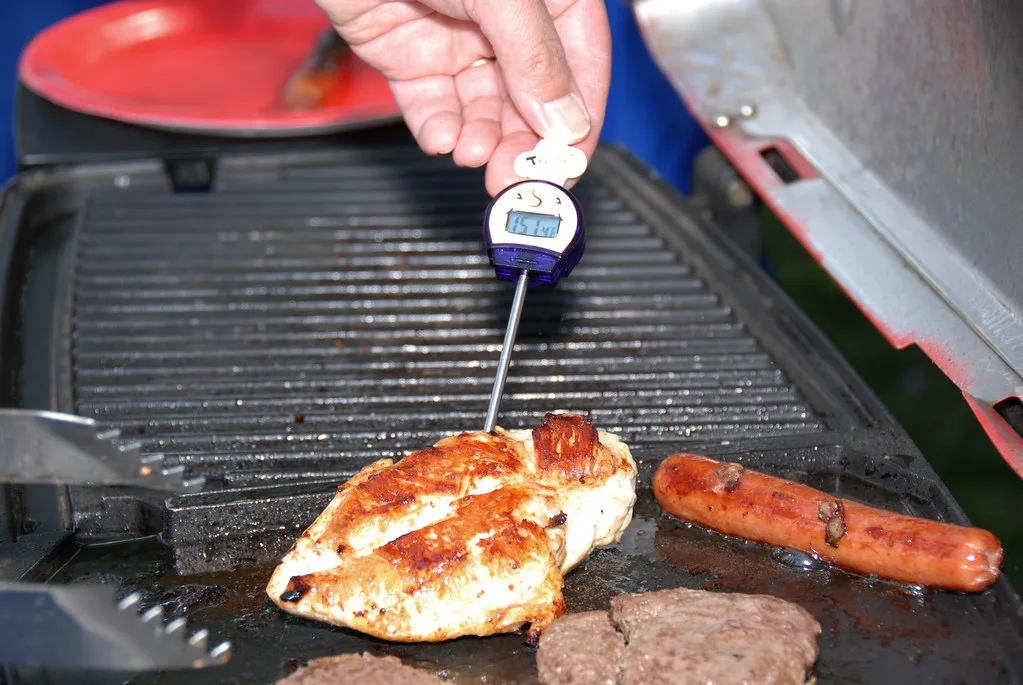
This measurement is critical because it guarantees that any harmful bacteria have been eliminated. Waiting for clear juices is a good indicator, but the thermometer provides definitive proof, setting your mind at ease that your meal is safe to serve as of 2026.