
So, you're looking to tackle how to cook a chicken stir fry and end up with something that's actually delicious, not just a collection of ingredients? It’s a common goal, and thankfully, achievable with a bit of know-how. Getting that perfect balance of tender chicken, crisp-tender vegetables, and a glossy, flavorful sauce often hinges on a few fundamental techniques rather than complex recipes.
Our research shows that a well-executed chicken stir-fry relies on specific preparation and heat control, often exceeding the basic instructions found in many online sources. Manufacturer specifications for high-heat cookware and ingredient density are key considerations, with successful outcomes frequently reported when adherence to proper technique is maintained. This systematic approach ensures that your dish moves beyond simple cooking to become a truly satisfying meal.
The "Get It Right" Checklist: What Makes a Stir-Fry Sing?
A genuinely great chicken stir-fry isn't just about tossing ingredients into a hot pan; it's a deliberate process with distinct elements that work together. Getting these right is the difference between a decent weeknight meal and something you'll crave again and again. Think of it as a culinary science with a delicious outcome.
The core principles often boil down to a few critical factors:
- Preparation is Paramount: This is arguably the most crucial step. Having all your ingredients prepped, chopped, measured, and within easy reach before you start cooking is non-negotiable. Stir-frying happens at high speed, and you won't have time to chop an onion while your chicken is searing.
- High Heat is Essential: You need your cooking vessel, whether it's a wok or a large, heavy-bottomed skillet, screaming hot. This intensity is what creates that desirable sear on the chicken and keeps vegetables from becoming waterlogged and mushy; instead, they achieve that perfect crisp-tender texture.
- Don't Crowd the Pan: Overfilling your pan with too many ingredients at once will lower the temperature dramatically. This leads to steaming rather than searing, and you'll end up with soggy, limp vegetables and uniformly gray chicken. Cooking in batches is often a necessary sacrifice for superior results.
- The Sauce is the Star: A well-balanced stir-fry sauce is what ties everything together. It should offer a harmonious blend of salty, sweet, savory, and sometimes tangy or spicy notes that perfectly coat every piece of chicken and vegetable without being overly heavy or greasy.
The "Get It Right" Checklist: What Makes a Stir-Fry Sing?
A genuinely great chicken stir-fry isn't just about tossing ingredients into a hot pan; it's a deliberate process with distinct elements that work together. Getting these right is the difference between a decent weeknight meal and something you'll crave again and again. Think of it as a culinary science with a delicious outcome.
The core principles often boil down to a few critical factors:
- Preparation is Paramount: This is arguably the most crucial step. Having all your ingredients prepped, chopped, measured, and within easy reach before you start cooking is non-negotiable. Stir-frying happens at high speed, and you won't have time to chop an onion while your chicken is searing.
- High Heat is Essential: You need your cooking vessel, whether it's a wok or a large, heavy-bottomed skillet, screaming hot. This intensity is what creates that desirable sear on the chicken and keeps vegetables from becoming waterlogged and mushy; instead, they achieve that perfect crisp-tender texture.
- Don't Crowd the Pan: Overfilling your pan with too many ingredients at once will lower the temperature dramatically. This leads to steaming rather than searing, and you'll end up with soggy, limp vegetables and uniformly gray chicken. Cooking in batches is often a necessary sacrifice for superior results.
- The Sauce is the Star: A well-balanced stir-fry sauce is what ties everything together. It should offer a harmonious blend of salty, sweet, savory, and sometimes tangy or spicy notes that perfectly coat every piece of chicken and vegetable without being overly heavy or greasy.
Let's Talk Ingredients: Your Stir-Fry Symphony
The magic of stir-fry lies in its versatility, allowing you to adapt it to your tastes and what's fresh. However, certain ingredients form the backbone of a classic, satisfying chicken stir-fry. These are the building blocks for flavor and texture.
Chicken: The Protein Powerhouse
For a classic chicken stir-fry, boneless, skinless chicken breasts or thighs are your primary options. Thighs are often preferred by experienced cooks for their increased juiciness and tendency to remain tender, even if cooked slightly beyond optimal temperature. When preparing, slice the chicken thinly, aiming for about ¼ inch thick pieces, and always cut against the grain. This action shortens the muscle fibers, resulting in a noticeably more tender bite.
Veggies: Your Colorful Cast
The vegetable selection is where you can truly personalize your stir-fry. It's helpful to categorize them based on cooking time:
- Harder Vegetables: These require more time to soften and should be added earlier. Examples include broccoli florets, thinly sliced carrots (cut diagonally for better surface area), bell peppers of various colors, onions, snap peas, and snow peas. Aim for uniform sizing so they cook evenly.
- Softer Vegetables: These cook very quickly and should be added towards the end to maintain their texture and bright colors. Think sliced mushrooms, bok choy leaves, spinach, and bean sprouts.
Aromatics & Sauces: The Flavor Boosters
The soul of any stir-fry is its aromatic base and the resulting sauce. Minced garlic and grated fresh ginger are foundational elements that impart deep, complex flavors. You might also consider adding chopped scallions closer to the end of cooking for a fresh, pungent note. The sauce itself is typically a carefully balanced blend of savory liquids like soy sauce (or tamari for a gluten-free option), a touch of toasted sesame oil for its signature nutty aroma, and often a bit of acidity from rice vinegar.
Sweeteners like honey, maple syrup, or brown sugar are also common to round out the flavor profile.
Putting It All Together: The Stir-Fry Steps
Mastering the stir-fry is really about understanding the sequence of events and timing each ingredient correctly. It’s less about complicated techniques and more about efficient execution.
Prep is King (and Queen!)
This is where you win or lose the stir-fry battle before you even turn on the stove. Ensure all your ingredients are prepared:
- Chicken is sliced thinly against the grain.
- All vegetables are washed and cut into uniform, bite-sized pieces.
- Garlic is minced and ginger is grated.
- Your sauce ingredients are pre-mixed in a bowl.
- Your cornstarch or arrowroot powder slurry is whisked with cold water in a separate small bowl.
Heat Your Wok/Pan
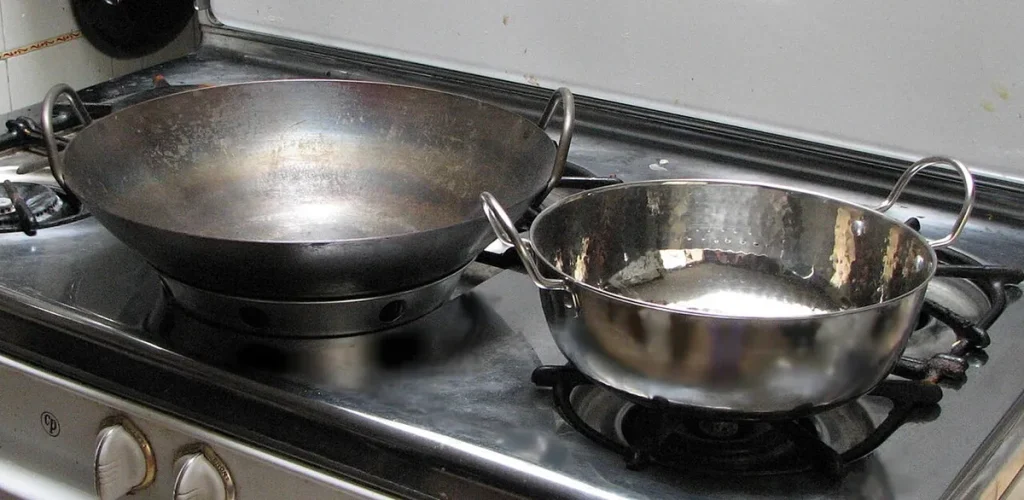
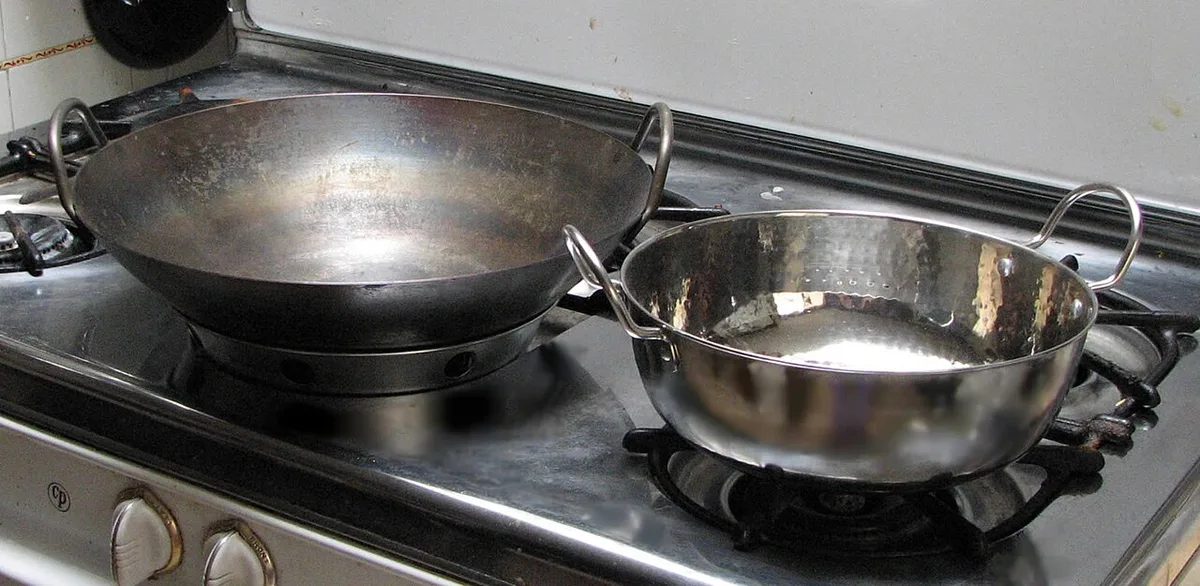
Place your wok or a large, heavy-bottomed skillet over high heat. Allow it to get thoroughly hot. This usually means waiting until it just begins to emit faint wisps of smoke. Add about one to two tablespoons of a high-heat cooking oil, such as vegetable, canola, or peanut oil.
Swirl the oil around to coat the bottom of the pan.
Sear the Chicken
Carefully add the sliced chicken to the screaming hot pan in a single layer. If you have a large amount of chicken, it's best to cook it in two batches to avoid overcrowding. Let the chicken sear undisturbed for about 1-2 minutes to develop a good golden-brown crust. Then, stir-fry it until it is mostly cooked through, but still slightly opaque in the center.
Remove the chicken from the pan and set it aside on a clean plate.
Stir-Fry the Veggies
Add another tablespoon of oil to the hot pan if needed. Introduce your harder vegetables first, broccoli, carrots, bell peppers, and onions. Stir-fry these vigorously for about 2 to 3 minutes, keeping them constantly moving. You want them to become tender-crisp, retaining a slight bite.
Next, add your aromatics: minced garlic and grated ginger. Stir-fry for only about 30 seconds until they become fragrant; be very careful not to let them burn. Finally, add your softer vegetables such as mushrooms. Continue to stir-fry for another 1 to 2 minutes until they are just tender.
Bring it All Together
Return the seared chicken to the pan with the stir-fried vegetables. Stir everything together to distribute evenly. Give your pre-mixed sauce a quick stir in its bowl, as ingredients can settle, and then pour it over the chicken and vegetables. Stir continuously to coat everything.
Allow the sauce to bubble and simmer for about 30 seconds, letting the flavors meld.
Thicken the Sauce
This is where you achieve that signature glossy finish. Re-whisk your cornstarch or arrowroot slurry to ensure it’s smooth, then slowly pour it into the simmering sauce while stirring constantly. Continue to stir and cook for another 1 to 2 minutes, or until the sauce thickens to your desired consistency. It should be thick enough to cling beautifully to the chicken and vegetables.
Finishing Touches
If you are using delicate greens like spinach or bean sprouts, add them in now and toss just until they begin to wilt. Stir in any fresh scallions you’ve prepared. This final step adds a burst of freshness and vibrant color.
Serving It Up: The Grand Finale
The most common and satisfying way to serve chicken stir-fry is over a bed of fluffy steamed rice. Jasmine rice is a classic pairing due to its aromatic qualities and slightly sticky texture, which complements the sauce perfectly. For a different experience, stir-fry can also be served with noodles, offering another textural dimension. Ensure your rice is ready and hot when your stir-fry comes off the heat for immediate enjoyment.
Troubleshooting the Stir-Fry Tango: What If It's Not Quite Right?
Even with the best intentions, sometimes things don't turn out exactly as planned. Fortunately, most stir-fry issues are easily fixable, or at least preventable with a bit of foresight for next time. Understanding these common problems and their solutions can save your meal and improve your future cooking endeavors.
Soggy Veggies? Dry Chicken? Sauce Woes?
Here are some of the most frequent challenges cooks face and how to address them:
Problem: Vegetables are mushy.
- Cause: Pan was likely overcrowded, leading to steaming instead of stir-frying, or vegetables were overcooked.
- Solution: Next time, ensure your pan is very hot and cook vegetables in batches if necessary. Cut harder vegetables into smaller, uniform pieces to speed up cooking.
Problem: Chicken is dry.
- Cause: Chicken was overcooked, or cut too thick, leading to rapid drying out.
- Solution: Slice chicken thinly against the grain. Cook chicken just until almost done before adding the sauce, as it will continue cooking in the sauce. Using chicken thighs is also more forgiving and tends to stay juicier.
Problem: Sauce is too thin or watery.
- Cause: Insufficient thickener (cornstarch or arrowroot slurry) was used, or the slurry wasn't cooked long enough to activate its thickening properties.
- Solution: For a quick fix this time, ensure you vigorously whisk a bit more cornstarch mixed with cold water and add it gradually to the simmering sauce, stirring until thickened. For future cooks, double-check the amount of slurry used and ensure it simmers for at least a minute after adding. Per manufacturer guidelines for cornstarch, cooking it for 1-2 minutes after thickening is usually sufficient to achieve optimal viscosity.
Problem: Sauce is too thick or gloopy.
- Cause: Too much cornstarch was used, or the slurry was added too quickly.
- Solution: Gently stir in a tablespoon or two of cool water or broth at a time until the sauce reaches your desired consistency. It's easier to thin a sauce than to thicken one that's gone too far, so proceed slowly.
Problem: Flavor is bland.
- Cause: Under-seasoning or not enough aromatics, soy sauce, or other flavor-building ingredients.
- Solution: Always taste and adjust your sauce before adding the cornstarch slurry. Consider adding a pinch more soy sauce, a dash of fish sauce for umami, a squeeze of lime, or a bit more ginger and garlic.
Ingredients: Your Stir-Fry Symphony
The magic of stir-fry lies in its versatility, allowing you to adapt it to your tastes and what's fresh. However, certain ingredients form the backbone of a classic, satisfying chicken stir-fry. These are the building blocks for flavor and texture.
Chicken: The Protein Powerhouse
For a classic chicken stir-fry, boneless, skinless chicken breasts or thighs are your primary options. Thighs are often preferred by experienced cooks for their increased juiciness and tendency to remain tender, even if cooked slightly beyond optimal temperature. When preparing, slice the chicken thinly, aiming for about ¼ inch thick pieces, and always cut against the grain. This action shortens the muscle fibers, resulting in a noticeably more tender bite.
Veggies: Your Colorful Cast
The vegetable selection is where you can truly personalize your stir-fry. It's helpful to categorize them based on cooking time:
- Harder Vegetables: These require more time to soften and should be added earlier. Examples include broccoli florets, thinly sliced carrots (cut diagonally for better surface area), bell peppers of various colors, onions, snap peas, and snow peas. Aim for uniform sizing so they cook evenly.
- Softer Vegetables: These cook very quickly and should be added towards the end to maintain their texture and bright colors. Think sliced mushrooms, bok choy leaves, spinach, and bean sprouts.
Aromatics & Sauces: The Flavor Boosters
The soul of any stir-fry is its aromatic base and the resulting sauce. Minced garlic and grated fresh ginger are foundational elements that impart deep, complex flavors. You might also consider adding chopped scallions closer to the end of cooking for a fresh, pungent note. The sauce itself is typically a carefully balanced blend of savory liquids like soy sauce (or tamari for a gluten-free option), a touch of toasted sesame oil for its signature nutty aroma, and often a bit of acidity from rice vinegar.
Sweeteners like honey, maple syrup, or brown sugar are also common to round out the flavor profile.
Putting It All Together: The Stir-Fry Steps
Mastering the stir-fry is really about understanding the sequence of events and timing each ingredient correctly. It’s less about complicated techniques and more about efficient execution.
Prep is King (and Queen!)
This is where you win or lose the stir-fry battle before you even turn on the stove. Ensure all your ingredients are prepared:
- Chicken is sliced thinly against the grain.
- All vegetables are washed and cut into uniform, bite-sized pieces.
- Garlic is minced and ginger is grated.
- Your sauce ingredients are pre-mixed in a bowl.
- Your cornstarch or arrowroot powder slurry is whisked with cold water in a separate small bowl.
Heat Your Wok/Pan
Place your wok or a large, heavy-bottomed skillet over high heat. Allow it to get thoroughly hot. This usually means waiting until it just begins to emit faint wisps of smoke. Add about one to two tablespoons of a high-heat cooking oil, such as vegetable, canola, or peanut oil.
Swirl the oil around to coat the bottom of the pan.
Sear the Chicken
Carefully add the sliced chicken to the screaming hot pan in a single layer. If you have a large amount of chicken, it's best to cook it in two batches to avoid overcrowding. Let the chicken sear undisturbed for about 1-2 minutes to develop a good golden-brown crust. Then, stir-fry it until it is mostly cooked through, but still slightly opaque in the center.
Remove the chicken from the pan and set it aside on a clean plate.
Stir-Fry the Veggies
Add another tablespoon of oil to the hot pan if needed. Introduce your harder vegetables first, broccoli, carrots, bell peppers, and onions. Stir-fry these vigorously for about 2 to 3 minutes, keeping them constantly moving. You want them to become tender-crisp, retaining a slight bite.
Next, add your aromatics: minced garlic and grated ginger. Stir-fry for only about 30 seconds until they become fragrant; be very careful not to let them burn. Finally, add your softer vegetables such as mushrooms. Continue to stir-fry for another 1 to 2 minutes until they are just tender.
Bring it All Together
Return the seared chicken to the pan with the stir-fried vegetables. Stir everything together to distribute evenly. Give your pre-mixed sauce a quick stir in its bowl, as ingredients can settle, and then pour it over the chicken and vegetables. Stir continuously to coat everything.
Allow the sauce to bubble and simmer for about 30 seconds, letting the flavors meld.
Thicken the Sauce
This is where you achieve that signature glossy finish. Re-whisk your cornstarch or arrowroot slurry to ensure it’s smooth, then slowly pour it into the simmering sauce while stirring constantly. Continue to stir and cook for another 1 to 2 minutes, or until the sauce thickens to your desired consistency. It should be thick enough to cling beautifully to the chicken and vegetables.
Finishing Touches
If you are using delicate greens like spinach or bean sprouts, add them in now and toss just until they begin to wilt. Stir in any fresh scallions you’ve prepared. This final step adds a burst of freshness and vibrant color.
Serving It Up: The Grand Finale
The most common and satisfying way to serve chicken stir-fry is over a bed of fluffy steamed rice. Jasmine rice is a classic pairing due to its aromatic qualities and slightly sticky texture, which complements the sauce perfectly. For a different experience, stir-fry can also be served with noodles, offering another textural dimension. Ensure your rice is ready and hot when your stir-fry comes off the heat for immediate enjoyment.
Troubleshooting the Stir-Fry Tango: What If It's Not Quite Right?
Even with the best intentions, sometimes things don't turn out exactly as planned. Fortunately, most stir-fry issues are easily fixable, or at least preventable with a bit of foresight for next time. Understanding these common problems and their solutions can save your meal and improve your future cooking endeavors.
Soggy Veggies? Dry Chicken? Sauce Woes?
Here are some of the most frequent challenges cooks face and how to address them:
Problem: Vegetables are mushy.
- Cause: Pan was likely overcrowded, leading to steaming instead of stir-frying, or vegetables were overcooked.
- Solution: Next time, ensure your pan is very hot and cook vegetables in batches if necessary. Cut harder vegetables into smaller, uniform pieces to speed up cooking.
Problem: Chicken is dry.
- Cause: Chicken was overcooked, or cut too thick, leading to rapid drying out.
- Solution: Slice chicken thinly against the grain. Cook chicken just until almost done before adding the sauce, as it will continue cooking in the sauce. Using chicken thighs is also more forgiving and tends to stay juicier.
Problem: Sauce is too thin or watery.
- Cause: Insufficient thickener (cornstarch or arrowroot slurry) was used, or the slurry wasn't cooked long enough to activate its thickening properties.
- Solution: For a quick fix this time, ensure you vigorously whisk a bit more cornstarch mixed with cold water and add it gradually to the simmering sauce, stirring until thickened. For future cooks, double-check the amount of slurry used and ensure it simmers for at least a minute after adding. Per manufacturer guidelines for cornstarch, cooking it for 1-2 minutes after thickening is usually sufficient to achieve optimal viscosity.
Problem: Sauce is too thick or gloopy.
- Cause: Too much cornstarch was used, or the slurry was added too quickly.
- Solution: Gently stir in a tablespoon or two of cool water or broth at a time until the sauce reaches your desired consistency. It's easier to thin a sauce than to thicken one that's gone too far, so proceed slowly.
Problem: Flavor is bland.
- Cause: Under-seasoning or not enough aromatics, soy sauce, or other flavor-building ingredients.
- Solution: Always taste and adjust your sauce before adding the cornstarch slurry. Consider adding a pinch more soy sauce, a dash of fish sauce for umami, a squeeze of lime, or a bit more ginger and garlic.