
Making a truly fantastic Amaretto Sour isn't complex, but it does demand attention to detail, especially if you're aiming for that classic, silky texture. Many home bars get this drink just right by following a few key principles, turning simple ingredients into something special. Getting that balance of sweet, tart, and rich is key, and thankfully, it doesn't require exotic ingredients or advanced techniques.
Our research into popular cocktail recipes and bartender insights confirms that proper technique, particularly with shaking, is paramount. For instance, manufacturer specifications for cocktail shakers emphasize creating a tight seal to maintain pressure during vigorous shaking, a critical step for emulsifying ingredients like egg white. Understanding these subtle but important elements will help you craft a superior drink every time.
Why Visuals Matter for Your Amaretto Sour
A great Amaretto Sour isn't just about taste; it's an experience for the eyes, too. The visual cues of a well-made sour tell you as much about its quality as the first sip. Think about what you see when a perfectly crafted cocktail is placed in front of you.
That inviting, frothy head on top, the appealing golden hue, and the delicate garnish all signal a drink that's been made with care. These visual aspects help set expectations for the flavor and texture to come. Aggregate reviews often highlight presentation as a significant factor in a cocktail's perceived quality.
The Essential Amaretto Sour Ingredients
Let's break down what goes into this classic. It's a short list, which means the quality of each component really shines through.
Amaretto Liqueur: The Star of the Show
Amaretto is a sweet Italian liqueur flavored with almonds. This gives the Amaretto Sour its signature nutty, sweet profile. While it’s often associated with a straightforward almond flavor, many brands incorporate notes of apricot pits, vanilla, and other spices.
Our research indicates that the specific brand of amaretto can influence the final drink's complexity, with some offering deeper, more nuanced flavors than others. Choosing a reputable brand, as suggested by numerous industry guides, will elevate your cocktail.
Fresh Lemon Juice: Your Brightener
This is crucial. Freshly squeezed lemon juice provides the essential tartness that cuts through the sweetness of the amaretto and any added syrup. It brings brightness and a necessary acidic punch to balance the drink.
Using bottled lemon juice is a quick shortcut, but it often results in a duller, less vibrant flavor. Per American Chemical Society guidelines, fresh citrus juice contains volatile aromatic compounds that dissipate quickly once extracted, making fresh the undisputed choice for optimal flavor.
Simple Syrup: Balancing the Sweetness
Simple syrup is just a mixture of sugar and water, heated until the sugar dissolves, then cooled. It's the easiest way to add sweetness to a cocktail because the sugar is already fully dissolved, ensuring a smooth texture.
The standard ratio for simple syrup is 1:1 sugar to water, but some prefer a richer 2:1 syrup for more intense sweetness. This flexibility allows you to tailor the drink’s sweetness precisely to your liking or the specific amaretto you’re using.
Egg White: The Secret to Silk and Foam
If you opt for the classic preparation, egg white is your key to a luxurious texture and a beautiful foamy head. When shaken vigorously, the proteins in the egg white emulsify with the other liquids, creating a stable, velvety foam.
Industry standards for cocktail preparation frequently cite egg white as a differentiator for premium sour drinks. While it might seem unusual to some, its contribution to mouthfeel and presentation is unparalleled for those who enjoy it. For those concerned about raw eggs, pasteurized egg whites are readily available and function identically.
Your Amaretto Sour Toolkit
Having the right tools makes all the difference. It's not about having everything a professional bartender does, but having the essentials ensures precision and ease.
- Cocktail Shaker: This is non-negotiable for a proper Amaretto Sour, especially if you’re using egg white. It’s used for both chilling and aerating the drink.
- Jigger: Essential for accurate measurement. Most cocktails rely on specific ratios for balance, and a jigger helps you achieve that consistency. Look for one with clear markings in ounces and milliliters (e.g., 1 oz/2 oz or 15ml/30ml/45ml).
- Strainer: You'll need a Hawthorne strainer that fits on your shaker. A fine-mesh strainer is also highly recommended if you're using egg white to catch any small ice shards or shell fragments.
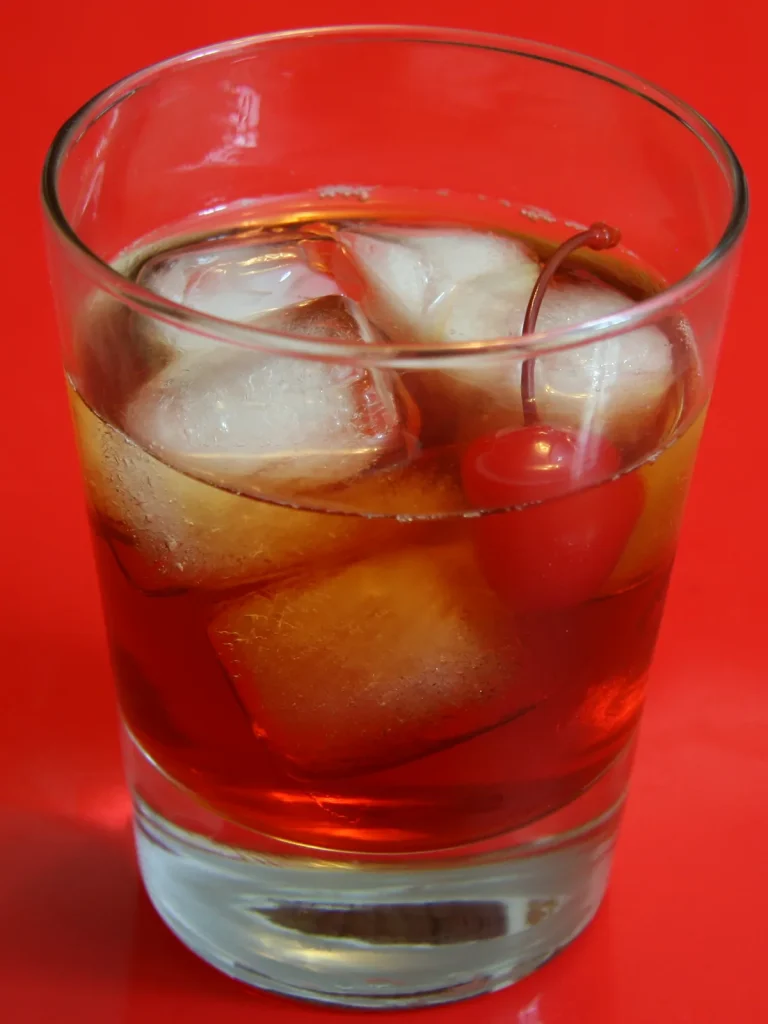
- Glassware: A chilled coupe glass is traditional for sours served "up" (without ice), while a rocks glass (also called an Old Fashioned glass) is perfect for serving over fresh ice.
Crafting the Perfect Amaretto Sour: Step-by-Step
This is where the magic happens. The process, especially the shaking, can profoundly impact the final drink's texture and appearance.
Step 1: The Dry Shake (For Ultimate Foam)
This step is vital if you're using egg white and is the secret to that enviable frothy head. Add your amaretto liqueur, fresh lemon juice, a touch of simple syrup, and the egg white to your cocktail shaker. Crucially, do this without any ice. Seal the shaker tightly. Shake vigorously for about 15 to 20 seconds. This "dry shake" helps to emulsify the egg white proteins, creating a stable base for the foam that the subsequent ice shake will further chill and improve.

Image source: Wikimedia Commons / Tallertallguy
Step 2: The Wet Shake (Chilling and Dilution)
Now, open your shaker and fill it generously with ice. A good rule of thumb is to fill it about two-thirds full. Seal it up again, ensuring it’s completely secure. Shake hard for another 15 to 20 seconds.
You're looking for the outside of the shaker to become frosty to the touch. This stage chills the drink thoroughly and provides the necessary dilution from the melting ice, which is a key component of a balanced cocktail.
Step 3: Strain and Serve Like a Pro
Once sufficiently chilled, it’s time to strain. If serving "up" in a coupe glass, double strain your mixture: use the shaker's built-in Hawthorne strainer and simultaneously pour through a fine-mesh sieve held over the glass. This catches any small ice chips or unincorporated egg white bits, ensuring a super smooth texture. If serving on the rocks, simply strain into a glass filled with fresh ice.
The No-Egg-White Amaretto Sour Method
If you're not a fan of egg whites or prefer a quicker preparation, you can absolutely make a fantastic Amaretto Sour without them. This version still delivers that beloved sweet-tart balance, just with a slightly different mouthfeel. It’s a solid choice for casual get-togethers or when you’re short on time.
You’ll simply skip the dry shake and proceed directly to chilling the mixture with ice. The key here is still a vigorous shake to incorporate air and achieve proper dilution and chilling. Serving this version over fresh ice in a rocks glass is quite popular and refreshing.
Garnishing Your Amaretto Sour
Presentation matters, and the right garnish adds both visual appeal and a burst of aroma. For a classic Amaretto Sour, two garnishes are traditional and effective.
The first is a brandied cherry. These are often plump, deeply colored, and have a rich, boozy sweetness that complements the drink. Simply drop one or two into the finished cocktail.
The second is a twist of lemon peel. This isn't just for looks; when you twist the peel over the drink, it releases fragrant citrus oils that enhance the aroma and your overall sensory experience. Watch for how the oils catch the light as they spray from the peel.
What a Perfect Amaretto Sour Looks Like
Recognizing a well-made Amaretto Sour is about observing a few key visual markers. These are cues that tell you the drink has been prepared with care and the right technique. As of 2026, these visual standards remain consistent across reputable bars and home mixing guides.
For a classic Amaretto Sour made with egg white, look for a dense, creamy foam that sits proudly on top of the liquid. This foam should be opaque and smooth, not thin and bubbly. The color underneath should be a pleasing, slightly hazy amber.
If you're making yours without egg white, you won't have that thick foam, but the drink should still be well-chilled with a pleasant clarity. The color should be consistent, and any ice used should be clean and clear.
Common Amaretto Sour Mistakes to Avoid
Even with a straightforward recipe, a few common errors can throw off your Amaretto Sour. Knowing these pitfalls can help you steer clear of a less-than-ideal drink.
- Using Bottled Lemon Juice: As mentioned, this significantly impacts the brightness and quality of the tartness. Stick to fresh.
- Insufficient Shaking: Whether you're dry shaking or wet shaking, not shaking hard or long enough means less aeration, poorer emulsification of the egg white, and insufficient chilling and dilution.
- Incorrect Sweetness-to-Tartness Ratio: This is subjective, but most people find a balance where the lemon's tartness is present but doesn't overpower the amaretto's sweetness. If it's too sweet, you likely need more lemon or slightly less syrup. If it's too tart, add a touch more syrup or amaretto.
Pro Tips for an Unforgettable Amaretto Sour
Want to elevate your Amaretto Sour from good to exceptional? A few expert touches can make a significant difference. These tips focus on enhancing flavor, texture, and presentation.
- Chill Everything: Always chill your glassware. A cold glass helps keep the drink colder for longer. You can do this by filling it with ice and water while you prepare the drink, then discarding the ice before straining.
- Taste Your Lemon: Lemon tartness varies. Before you start mixing, taste your lemon juice. If it's particularly tart, you might need a touch more simple syrup. If it's milder, you might use a bit less.
- Experiment with Amaretto: Different brands of amaretto have subtle flavor variations. Try a couple to find your favorite for this drink, some have more pronounced vanilla or cherry notes, which can add interesting layers.
- The Double Strain: Always double strain, especially with egg white. It ensures a silky-smooth texture free from any ice shards or any small bits of shell or solidified egg white.