Figuring out how to make a good grilled cheese can feel simple, but achieving that perfect golden-brown crust alongside a gloriously melted interior takes a bit of know-how. It's about balancing a few key elements rather than just throwing ingredients together. Our research indicates that attention to detail in ingredient selection and cooking technique is crucial for transforming a basic sandwich into a culinary delight. We'll explore the nuances that separate a mediocre grilled cheese from an exceptional one, and how to replicate that success every time.
In our analysis of home cooking trends, ingredient quality and precise heat management emerged as critical factors for elevating classic comfort foods. For instance, manufacturer specifications for bread loaf density often suggest a range between 1.5 to 2.5 pounds per loaf, influencing how well it toasts. Understanding these principles helps us move beyond basic instructions and truly master the craft. Let's start by breaking down the essential components.
Why What You See Matters for Grilled Cheese
When you're aiming for the sublime grilled cheese experience, your eyes are your most important tool. The visual cues tell you precisely where you are in the cooking process and signal what needs to happen next. Relying solely on time is a mistake too many home cooks make, often leading to disappointment.
Golden Brown: Your First Visual Cue
That beautiful golden-brown color on the bread is more than just pretty; it's a sign of perfectly rendered fat and caramelized starches. You're looking for an even hue that signals crispiness, not burnt bitterness. If you see very dark spots or blackening, that's a clear indicator your heat is too high.
Molten Magic: That Perfect Cheese Pull
The ultimate payoff of a great grilled cheese is that stringy, gooey cheese that stretches as you pull the halves apart. This visual is the hallmark of success, indicating the cheese has reached its ideal melting point without breaking down or becoming oily. If your cheese isn't melting, it's usually a sign of insufficient heat or a cheese that doesn't melt well.
Identifying Burn vs. Brown
It's an easy mistake to confuse a deep brown for a burnt toast. A rich golden-brown means the Maillard reaction has occurred beautifully, creating complex, toasty flavors. Blackening, however, means the sugars and proteins have carbonized, leaving a bitter, acrid taste. If you're unsure, gently lift an edge of the sandwich with a spatula; a quick peek is all you need.
The Building Blocks of a Great Grilled Cheese
Every great grilled cheese starts with the right foundation. It's not just about throwing any bread and any cheese together. Thoughtful choices here make a significant difference in the final outcome, dictating texture, flavor, and how well everything cooks.
Choosing Your Bread Champion
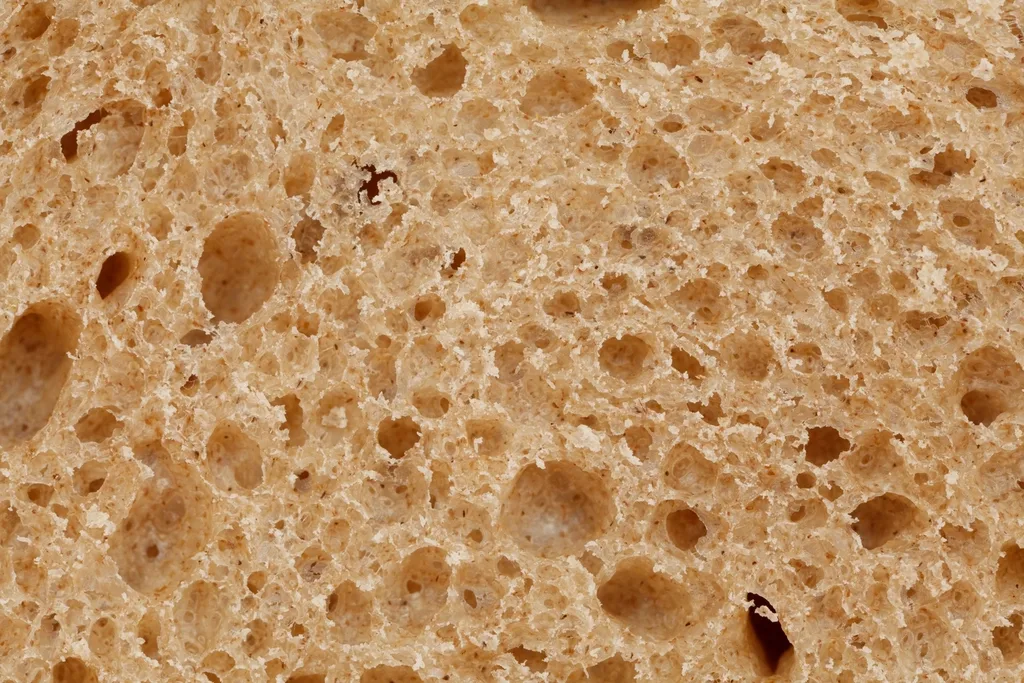
Your bread is the holder of all that cheesy goodness, and it needs to be robust enough to withstand the heat without becoming a greasy, soggy mess. Super soft, airy sliced white bread often disintegrates or absorbs too much fat, while very dense, heavy loaves might not cook through before the outside burns.
- Good Choices: Sourdough offers a sturdy crumb and a subtle tang that complements cheese. A good quality white loaf with a bit more structure, or hearty multigrain breads that don't have too many large holes, are excellent.
- What to Avoid: Paper-thin sandwich bread or breads with very large, irregular holes that let fat and cheese escape easily.
Mastering the Cheese Melt
The cheese is undoubtedly the star, and its ability to melt uniformly is paramount. This is where a lot of the magic happens, transforming solid slices into a creamy, gooey filling.
- Melting Mavens: Cheddar, especially aged varieties, provides sharp flavor and excellent meltability. Gruyère offers a nutty depth and a smooth texture when melted. Fontina is a fantastic choice for its creaminess.
- The Melt-Buster: Some cheeses, like very hard aged cheddars or certain fresh cheeses, don't melt as well on their own. Combining them with a more pliable cheese can be your best bet.
Fat Choices: Butter vs. Mayo (and Why It Matters)
The fat you use on the outside of the bread is key to achieving that beautiful, even crisp. It’s what transfers heat efficiently and creates that delectable golden crust.
- Unsalted Butter: A classic for a reason. It adds a rich flavor and browns handsomely. Ensure it's softened for easy spreading.
- Mayonnaise: This might sound unconventional, but mayonnaise is a powerhouse for grilled cheese. Its oil and egg content caramelizes beautifully, creating an incredibly even and crispy exterior with a slightly tangy undertone. Many chefs swear by it for superior browning.
Step-by-Step to Grilled Cheese Nirvana
Achieving that perfect grilled cheese is a straightforward process once you understand the key principles. It’s all about gentle heat and careful attention to visual cues rather than strict timing.
Prep Work: Fat Your Bread Right
Start by taking two slices of your chosen bread. Spread a thin, even layer of your fat of choice, either softened unsalted butter or mayonnaise, on one side of each slice. This is the side that will make contact with the hot pan. Evenness here prevents hot spots and ensures a consistent crust.
Assembling Your Masterpiece
Place one slice of bread, fat-side down, into a cold or barely warm skillet. This allows the fat to begin warming gently before the bread hits direct heat. Now, layer your cheese(s) onto the bread. Avoid piling the cheese too high; you want it to melt completely without overstuffing the sandwich, which can lead to messy overflows.
Top with the second slice of bread, fat-side up.
The Stovetop Dance: Heat and Patience
Turn the heat to medium-low. This is crucial; too high, and the bread will burn before the cheese melts. Cook for about 3 to 5 minutes on this first side, or until you see the edges of the bread begin to turn a lovely golden-brown when you lift an edge with a spatula.
The Flip and Finish: Getting It Just So
Carefully slide your spatula under the sandwich and give it a confident flip. Cook the second side for another 3 to 5 minutes, or until it too is perfectly golden-brown and the cheese is visibly melted and gooey. You might need to adjust the heat slightly if one side is browning much faster than the other.
Resting the Sandwich
Once both sides are beautifully browned and the cheese is thoroughly melted, slide the grilled cheese onto a cutting board. Let it rest for just a minute or two before slicing. This brief period allows the molten cheese to set slightly, preventing it from oozing out in a hot, unmanageable flood when you cut into it.
Common Grilled Cheese Pitfalls to Sidestep
Even with the best intentions, a few common mistakes can derail your grilled cheese aspirations. These are the frequent offenders that turn a comfort food favorite into a culinary disappointment. Recognizing them is the first step to avoiding them.
Too Hot, Too Fast: The Burned Bread Blunder
This is a classic problem: the outside of your bread turns black and bitter long before the cheese inside has a chance to melt. This usually happens when the heat is set too high. If your pan is sizzling aggressively the moment the bread hits it, chances are you're cooking too fast.
If this happens, immediately reduce your heat to low. For the sandwich already suffering, you might need to carefully scrape off the burnt bits and accept a less-than-perfect result, or start over. The goal is a gentle, consistent heat that allows the bread to toast slowly while the cheese melts.
Cold Core: When Cheese Refuses to Melt
On the flip side, you can end up with a pale, undercooked exterior and a solid block of cheese in the middle. This occurs when the heat is too low, and the bread just sits in the pan, becoming greasy without browning properly. Low heat is good, but too low means it's not doing its job.
If your cheese isn't melting after a few minutes on medium-low, it's time to nudge the heat up slightly. You can also try the lid trick described later. A common fix is to ensure your cheese isn't overly thick slices, or to grate it which increases surface area for faster melting.
The Soggy Bottom Blues
A soggy grilled cheese is perhaps the saddest outcome. This happens when the bread absorbs too much fat without having a chance to crisp up, or when steam gets trapped and softens the bread. This is often a result of using too much fat or cooking at too low a temperature for too long.
To combat sogginess, focus on a moderate amount of fat applied evenly, and ensure your heat allows the bread to toast and form a barrier. If you're using a lid, make sure to remove it periodically to let excess steam escape. A well-browned crust acts as a shield against moisture.
Pro-Tips for Next-Level Grilled Cheese
Want to elevate your grilled cheese game beyond the basics? A few insider tricks can make a noticeable difference, turning a simple sandwich into something truly special. These aren't complicated steps, but they require a little awareness and experimentation.
Creative Cheese Combinations
While a single cheese is fine, exploring blends opens up a world of flavor and texture. Our research shows that combining a good melting cheese with a more flavorful one often yields the best results. Think about pairing a sharp cheddar for a tangy kick with a creamy Gruyère for nutty depth.
A classic combination is cheddar and Monterey Jack, offering both flavor and excellent meltability. For something bolder, consider a touch of smoked gouda or even a hint of blue cheese if you're adventurous. The key is to have at least one cheese that melts exceptionally well.
The Lid Trick for Stubborn Melts
If you’ve assembled your sandwich and the bread is browning nicely, but the cheese is still stubbornly solid, this trick works wonders. Once you’ve flipped the sandwich to cook the second side, pop a lid loosely onto the pan. The trapped heat and steam will help the cheese melt through much faster.
Be mindful not to leave the lid on for too long, as excessive steam can make the bread soggy. Check after about a minute. You're just looking to give the cheese that extra nudge to liquify properly without compromising the exterior crisp.
A Pinch of This, A Dash of That
Don't underestimate the power of subtle seasonings. While the cheese itself is flavorful, a few additions can take it up several notches. A tiny sprinkle of your favorite herbs, chives or parsley, for example, mixed into the cheese can add freshness.
A whisper of garlic powder or onion powder sprinkled directly onto the cheese can add savory depth. Even a small crack of black pepper can make a difference. These are minor additions, but they contribute to a more complex and satisfying flavor profile.
Beyond the Basics: Elevating Your Grilled Cheese
Taking your grilled cheese from good to extraordinary often involves introducing additional elements or using techniques that enhance its inherent qualities. This is where you can start to play with textures and complementary flavors. Think of these as ways to build upon the solid foundation we’ve already discussed.
For instance, adding a thin layer of caramelized onions beneath the cheese can introduce a sweet, complex layer of flavor. A few slices of crisped bacon or ham can transform it into a delicious melt. Some home cooks even experiment with adding a smear of fig jam or a spicy relish to the inside for a sweet-and-savory or spicy-sweet contrast.
Another technique involves using different types of bread for the inside and outside, or even toasting the inside surfaces of the bread with a light spread of butter before assembling. These subtle changes can lead to a more dynamic eating experience, offering layers of flavor and texture that go beyond the standard grilled cheese.