If you're a fan of tuna, you've probably wondered exactly how much is too much. It’s a question that pops up because, while tuna boasts great protein and omega-3s, there’s also the concern about mercury content. Getting this balance right is key to enjoying your favorite fish without risking your health.
Our research indicates that understanding the different types of tuna and official dietary recommendations is crucial. For instance, the U.S. Food and Drug Administration (FDA) generally advises that most adults can safely consume up to 12 ounces of lower-mercury fish per week, a guideline that helps clarify reasonable portion sizes.
Why Tuna Mercury Matters for Your Health
Tuna is a powerhouse of nutrition, packed with lean protein that’s great for muscle building and satiety. It's also a good source of omega-3 fatty acids, which are beneficial for heart and brain health. However, the bigger and older the tuna, the more likely it is to have accumulated mercury from its marine environment. This mercury, particularly methylmercury, can build up in your body over time through regular consumption.
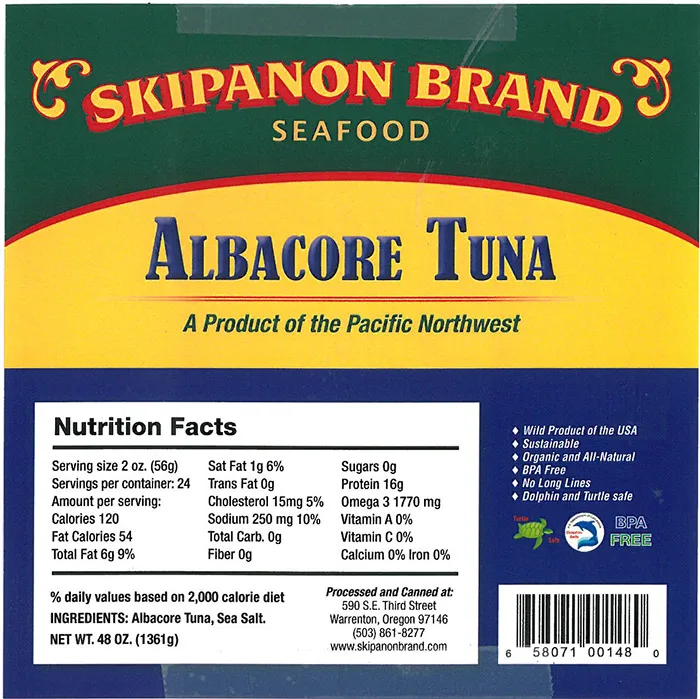
Image source: Wikimedia Commons / The U.S. Food and Drug Administration
While occasional tuna meals are unlikely to cause harm to most people, consistently eating high-mercury varieties can lead to mercury accumulating in your system. This accumulation is why health organizations provide specific guidelines on fish consumption, aiming to balance the nutritional benefits against potential health risks.
Tuna Types: Not All Are Created Equal
When we talk about tuna, it's important to know that not all varieties are the same, especially when it comes to mercury levels. The type of tuna you choose can significantly impact your mercury intake, making it a primary factor in determining safe consumption limits.
Albacore vs. Light Tuna: What to Know
The most common distinction for canned tuna is between "albacore" (often labeled "white tuna") and "light" tuna (typically skipjack). Albacore tuna are larger, longer-lived fish that tend to be higher on the food chain, meaning they consume more smaller fish and, consequently, accumulate more mercury from their diet over their lifespan. Light tuna, like skipjack, are smaller and shorter-lived, generally positioning them lower on the food chain and resulting in lower mercury concentrations.
- Albacore Tuna (White Tuna): Generally contains more mercury than light tuna.
- Light Tuna (Skipjack): Typically has lower mercury levels.
- Yellowfin Tuna: Can vary significantly but is often considered a higher-mercury option, similar to albacore.
This difference is why many health advisories differentiate between these types when giving consumption advice.
How Much Tuna Is Safe for Adults?
For the average healthy adult, determining a safe amount of tuna involves considering both the type of tuna and frequency of consumption. Official dietary guidelines aim to prevent mercury levels from reaching concerning thresholds in the body. As of 2026, the general recommendations remain consistent with established health advice.
The U.S. Food and Drug Administration (FDA) and Environmental Protection Agency (EPA) jointly suggest that most adults can safely eat between 8 to 12 ounces of fish per week. This amount should ideally include a variety of fish types, with a preference for those lower in mercury.
When it comes to tuna specifically:
- Lower-Mercury Tuna (e.g., Skipjack/Light Tuna): You can typically enjoy up to 3 servings (about 12 ounces total) per week.
- Higher-Mercury Tuna (e.g., Albacore/White Tuna): It’s recommended to limit intake to no more than 1 serving (about 6 ounces) per week.
These guidelines are designed to allow individuals to benefit from tuna's nutritional profile while minimizing mercury exposure.
Special Advice for Vulnerable Groups
Mercury can affect different people, particularly developing fetuses and young children, more severely than it affects healthy adults. For these groups, stricter limits and a focus on the absolute lowest-mercury fish options are strongly advised to protect neurological development and overall health.
Pregnant Women, Nursing Moms, and Kids
The U.S. FDA provides specific guidance for pregnant women, women who might become pregnant, nursing mothers, and young children because mercury can pass from the mother to the fetus or infant. For these individuals, the risk of developmental issues from mercury exposure is higher.
- Recommended Intake: Stick to fish that are lowest in mercury. For tuna, this generally means choosing "light" or "skipjack" tuna.
- Limit: The recommended maximum intake is 4 ounces (about 1 serving) of these low-mercury fish per week.
- Avoid: Certain types of fish, often those higher on the food chain, are best avoided altogether by these groups due to their higher mercury content. Always consult the latest official advisories for a comprehensive list.
Understanding these nuances is critical for ensuring the safety of the most sensitive populations.
Understanding Mercury's Risks
Mercury, particularly in the form of methylmercury, poses a significant health risk when it accumulates in the body. It’s a potent neurotoxin, meaning it can interfere with the functioning of the brain and nervous system. This is why careful attention is paid to its presence in our food supply, especially in commonly consumed items like tuna.
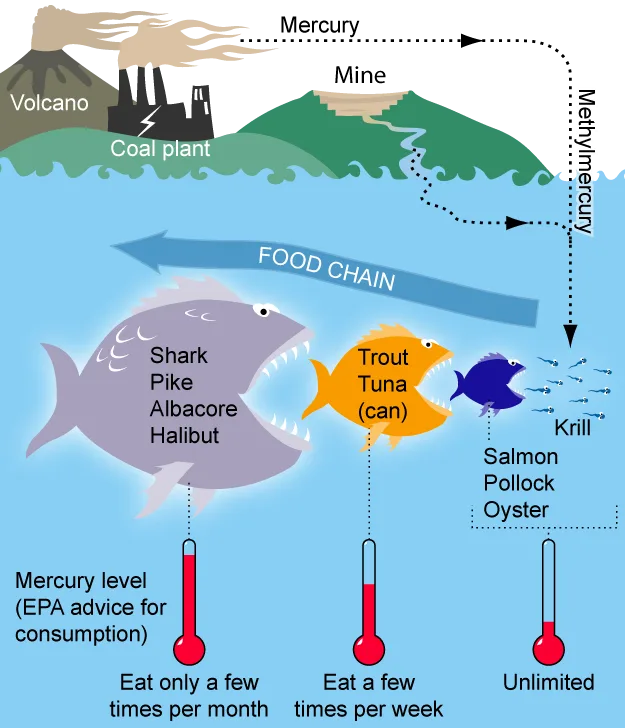
Image source: Wikimedia Commons / Bretwood Higman, Ground Truth Trekking. (CC BY)
When you consume fish that contains methylmercury, your body absorbs most of it. While your body does excrete mercury over time, if your intake is consistently higher than your body's ability to eliminate it, the mercury levels can rise. Over time, these elevated levels can lead to a range of symptoms, often affecting the nervous system in subtle or significant ways.
The primary concerns associated with high mercury exposure include:
- Neurological Effects: This can manifest as difficulty with coordination, vision, hearing, speech, or memory. Symptoms might be subtle initially but can worsen with continued exposure.
- Developmental Impacts: For pregnant women, mercury can cross the placenta and affect the developing nervous system of the fetus, potentially leading to cognitive and motor skill deficits.
- Cardiovascular Issues: Some research suggests a link between high mercury exposure and increased risk of heart problems in adults.
These potential risks underscore the importance of adhering to recommended consumption guidelines for fish like tuna.
Building a Safe Tuna Habit
Creating a healthy relationship with tuna involves incorporating it thoughtfully into your diet, rather than making it the sole focus. This means consciously choosing varieties and controlling portion sizes to stay within recommended mercury limits. It’s about enjoying tuna’s benefits without overdoing it.
Think of it like this: if you were to eat a very specific type of mushroom every single day, you’d want to be absolutely sure it was safe for daily consumption. Similarly, with tuna, we're aiming for a sustainable balance.
Choosing Lower-Mercury Options
When you're at the grocery store, it pays to know your tuna. Familiarize yourself with the labels. Look for canned tuna labeled "light" or "skipjack," as these generally have the lowest mercury content. These are often sold in smaller cans or labeled clearly as a more budget-friendly option.
If you prefer albacore, often marketed as "white" tuna, remember that it typically contains higher mercury levels. This doesn't mean you have to avoid it entirely, but it does mean making it a less frequent choice and sticking to smaller portions. Reading the can’s label is your first step in making an informed decision.
Portion Control: What Does It Look Like?
Understanding portion sizes is crucial for managing mercury intake from tuna. A standard serving size recommended by health organizations is typically around 3 to 4 ounces. For tuna, this can be roughly equivalent to one standard can, depending on how you pack it.
- Higher-Mercury Tuna (e.g., Albacore): Limit yourself to about 6 ounces (roughly 1.5 servings) per week. This could be a single meal or split across two smaller servings.
- Lower-Mercury Tuna (e.g., Light/Skipjack): You can generally have up to 12 ounces (about 3 servings) per week. This allows for more flexibility, perhaps a can for lunch a couple of times a week.
Visualizing these amounts can help. Imagine a deck of playing cards; that's roughly 3 ounces. So, for higher-mercury tuna, two decks of cards' worth a week is the limit; for lighter tuna, it’s about four decks' worth.
Rotating Your Protein Choices
Making tuna a part of a diverse diet is one of the best strategies for managing mercury exposure. Relying on just one type of fish means you’re consistently exposed to whatever contaminants that fish might carry. Introducing a variety of protein sources widens your nutritional intake and diversifies your risk profile.
Consider incorporating other types of fish that are typically lower in mercury and offer different benefits. Examples include:
- Salmon: Rich in omega-3s, often found to have lower mercury levels.
- Cod: A lean white fish with mild flavor and generally low mercury.
- Shrimp: A popular seafood with minimal mercury concerns.
- Tilapia: Another widely available, low-mercury option.
By rotating these options with your tuna consumption, you ensure a broad spectrum of nutrients and keep your mercury intake well within safe limits.
Common Mistakes When Eating Tuna
Even with good intentions, it’s easy to slip up when incorporating tuna into your diet. Many people are unaware of the different mercury levels in various tuna types or underestimate how frequently they consume them. Avoiding common pitfalls can help you stay on track with safe consumption practices.
One significant mistake is assuming all tuna is created equal. Unconsciously choosing albacore tuna because it's available, without considering the mercury content, can quickly lead to exceeding safe weekly limits. This is especially true if tuna is a staple in sandwiches or salads you eat daily.
Another frequent error is misjudging portion sizes. Many people might eat a large can of tuna in one sitting, thinking it's just one "serving." However, if that can contains more than the recommended 3 to 4 ounces for that specific fish type, you're consuming more mercury than intended. Be mindful of packaging and measure out your portions if you’re unsure.
Where to Find Reliable Health Guidance
Navigating health information can be tricky, especially when it comes to something as specific as mercury in fish. It’s essential to rely on established, authoritative sources that base their recommendations on scientific research and public health data. These organizations dedicate resources to studying these issues rigorously.
The primary bodies providing official guidance on fish consumption and mercury levels in the United States are the U.S. Food and Drug Administration (FDA) and the U.S. Environmental Protection Agency (EPA). They collaborate to issue recommendations that balance nutritional benefits with potential health risks, particularly concerning mercury.
Many state-level health departments also offer localized advisories, which can be helpful.
For personalized advice, especially if you belong to a vulnerable group or have specific dietary concerns, consulting a healthcare professional or a registered dietitian is invaluable. They can help you interpret general guidelines and apply them to your individual dietary needs and circumstances.