Fresh basil leaves can lose their vibrant aroma and tender texture surprisingly fast, often wilting within a day or two of being picked. Understanding how to store fresh basil leaves correctly can mean the difference between enjoying that sweet, peppery scent in your dishes for weeks, or watching it turn into a sad, black mush. When stored properly, fresh basil can retain its quality for up to a week in the refrigerator, or even longer when preserved for the freezer, retaining up to 90% of its volatile oils for several months as per food science standards.
This guide walks you through the best methods, from quick fixes for immediate use to long-term preservation techniques. We'll look at what works, what doesn't, and how to pick the right approach for your basil and your cooking needs.
Quick Wins: Know What You Need to Store Basil
To keep your basil fresh, you'll want a few key items on hand. This isn't about fancy gadgets; it's about simple tools that make a big difference.
- Airtight Containers: These are crucial for any method involving the refrigerator, helping to keep moisture out and freshness in. Glass or sturdy plastic options work well.
- Plastic Bags: Ziplock-style bags are a budget-friendly alternative, especially for shorter-term storage.
- Paper Towels: You'll need these to gently dry your basil and provide a humid-but-not-wet environment in some methods.
- Water: For the "bouquet" method, a glass or jar of water is all you need.
- Freezer Bags/Containers: For long-term storage, these are essential to prevent freezer burn.
- Olive Oil: If you're going the pesto route or preserving whole leaves in oil, good quality olive oil is your friend.
Storing Basil for Immediate Use (Next Few Days)
If you've got a bunch of basil from the store or garden and plan to use it within the next few days, keeping it fresh is all about managing moisture and temperature. These methods are quick, easy, and prevent that dreaded wilting.
The "Bouquet" Method: Basil in Water
This technique treats basil much like fresh flowers, and it’s incredibly effective for short-term storage. It helps the stems stay hydrated and the leaves plump.
- Prep the Stems: Gently trim about a half-inch off the bottom of the basil stems. This exposes fresh, absorbent tissue.
- Add Water: Fill a clean glass or jar with about an inch of fresh, cool water.
- Place Basil: Stand the basil stems in the water, making sure no leaves are submerged. Submerged leaves will rot quickly.
- Cover Loosely: Drape a plastic bag loosely over the basil and the jar. This creates a mini-greenhouse effect, trapping humidity but allowing some air circulation. You can secure the bag to the jar with a rubber band if it keeps slipping.
- Refrigerate: Place the entire setup in your refrigerator.
- Change Water: Refresh the water every day or two, or whenever it looks cloudy.
This method can keep basil looking lively and tasting fresh for about 5-7 days.
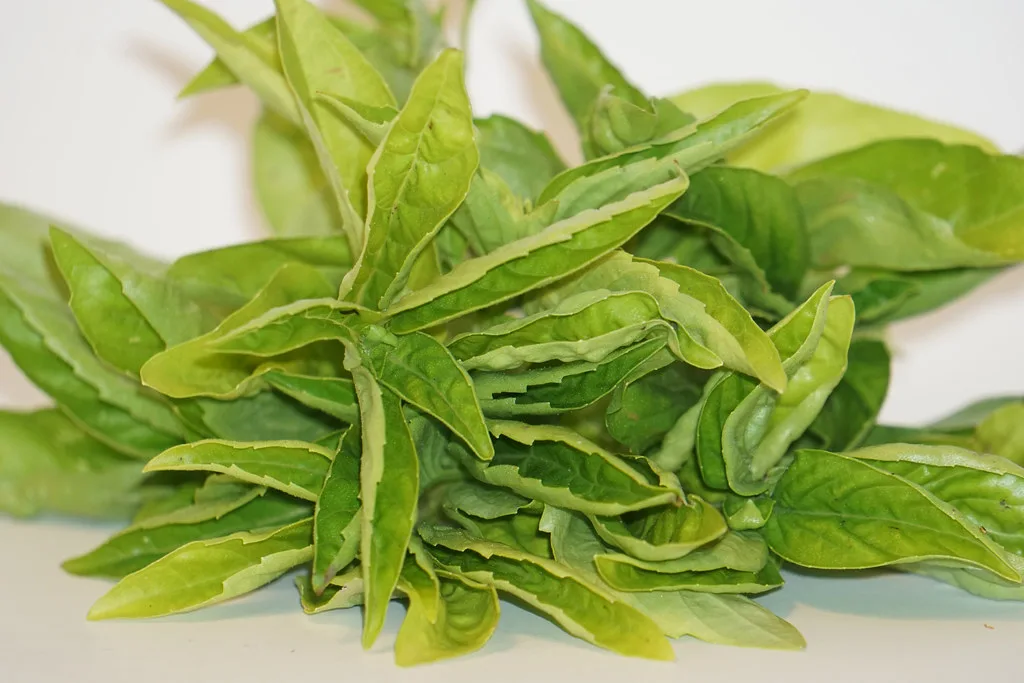
Image source: Openverse / rajucreddy
The "Wrap & Tuck" Method: Damp Paper Towels
This is another straightforward way to keep basil happy on a counter or in the fridge for a few days. It’s especially good if you don't have space for a jar.
- Wash and Dry: Gently wash the basil leaves under cool water and then thoroughly pat them dry with paper towels or use a salad spinner. Any excess moisture will hasten decay.
- Dampen Paper Towel: Lightly dampen a paper towel. It should be moist, not soaking wet.
- Layer Basil: Lay the basil leaves in a single layer on the damp paper towel. Avoid overcrowding.
- Roll It Up: Gently roll the basil up inside the paper towel.
- Seal (Optional): You can place this rolled bundle inside a lightly sealed plastic bag or an airtight container. If using a bag, don't zip it entirely shut if you plan to store it at room temperature for a day.
- Store: Store at room temperature if using within a day. For longer storage (up to 3-4 days), place the wrapped bundle in the crisper drawer of your refrigerator. Check it daily and swap out the paper towel if it dries out or becomes slimy.
Storing Basil for Longer Preservation (Weeks to Months)
When you have a bumper crop or snagged a great deal on basil, you'll want to preserve it for future use. These methods allow you to enjoy basil's flavor long after its peak season.
Fridge-Friendly Basil: Airtight Containers
This method is for when you want to keep basil for a couple of weeks, but not indefinitely. It’s a bit more hands-off than the bouquet method once set up.
- Wash and Dry: Thoroughly wash the basil leaves and dry them completely. Any lingering moisture is the enemy here.
- Prepare Container: Select an airtight container. Line the bottom with a dry paper towel.
- Layer Basil: Place a layer of dry basil leaves on top of the paper towel.
- Add Another Paper Towel: Place another dry paper towel on top of the basil layer.
- Repeat: Continue layering basil and paper towels until the container is full or you've used all your basil.
- Seal and Store: Seal the container tightly and store it in the refrigerator, ideally in the crisper drawer.
The paper towels absorb any excess moisture released by the leaves, preventing sliminess. You'll want to check these every few days and replace the paper towels if they feel damp. This approach typically keeps basil usable for about 10-14 days.
Freezing Basil's Flavor: Methods That Work
Freezing is your best bet for preserving basil's intense flavor and aroma for months. Unlike many herbs, basil can sometimes turn a bit mushy when thawed, but these methods minimize that and maximize taste retention.
Basil Cubes in Olive Oil: For Sauces and Soups
This is a fantastic way to preserve basil's essence, and the resulting cubes are perfect for adding directly to hot dishes.
- Process Basil: Wash and thoroughly dry your basil leaves. You can roughly chop them or pulse them in a food processor until finely chopped.
- Fill Ice Cube Trays: Spoon the chopped basil into an ice cube tray, filling each compartment about two-thirds full.
- Add Olive Oil: Top off each compartment with good quality olive oil, ensuring the basil is completely submerged. This prevents oxidation and freezer burn.
- Freeze: Place the ice cube tray in the freezer until the oil and basil are solid. This usually takes about 4-6 hours.
- Transfer to Freezer Bags: Once frozen, pop the basil-oil cubes out of the tray and transfer them to a freezer-safe bag or airtight container. Store them flat if possible to save space.
Image source: Openverse / USDAgov (PDM 1.0)
These cubes can last in the freezer for up to 6 months, maintaining a good portion of their fresh flavor. They're perfect for adding a burst of basil to pasta sauces, soups, stews, or even sautéed vegetables.
Blanching and Freezing: Preserving Whole Leaves
Blanching helps basil retain its bright green color and much of its flavor when frozen. It’s a bit more involved but yields usable leaves that can be chopped or crumbled later.
- Prepare an Ice Bath: Fill a bowl with ice and water.
- Blanch Basil: Bring a small pot of water to a rolling boil. Submerge a handful of basil leaves in the boiling water for just 10-15 seconds.
- Shock in Ice Bath: Immediately remove the basil from the boiling water with a slotted spoon and plunge it into the ice bath. This stops the cooking process.
- Dry Thoroughly: Once cooled, remove the basil from the ice bath and pat it completely dry with paper towels or a clean kitchen towel. Excess water will lead to ice crystals and freezer burn.
- Flash Freeze: Lay the dried basil leaves in a single layer on a baking sheet lined with parchment paper. Place the baking sheet in the freezer for about an hour, or until the leaves are firm.
- Package for Storage: Transfer the frozen leaves to a freezer-safe bag or container. Remove as much air as possible before sealing.
Blanched and frozen basil can be stored for around 4-6 months. When you need it, you can often crumble the leaves directly into dishes or let them thaw briefly. For best texture, use them in cooked applications rather than fresh salads.
Blanching and Freezing: Preserving Whole Leaves
Blanching helps basil retain its bright green color and much of its flavor when frozen. It’s a bit more involved but yields usable leaves that can be chopped or crumbled later.
- Prepare an Ice Bath: Fill a bowl with ice and water.
- Blanch Basil: Bring a small pot of water to a rolling boil. Submerge a handful of basil leaves in the boiling water for just 10-15 seconds.
- Shock in Ice Bath: Immediately remove the basil from the boiling water with a slotted spoon and plunge it into the ice bath. This stops the cooking process.
- Dry Thoroughly: Once cooled, remove the basil from the ice bath and pat it completely dry with paper towels or a clean kitchen towel. Excess water will lead to ice crystals and freezer burn.
- Flash Freeze: Lay the dried basil leaves in a single layer on a baking sheet lined with parchment paper. Place the baking sheet in the freezer for about an hour, or until the leaves are firm.
- Package for Storage: Transfer the frozen leaves to a freezer-safe bag or container. Remove as much air as possible before sealing.
Blanched and frozen basil can be stored for around 4-6 months, maintaining a good portion of its fresh flavor. When you need it, you can often crumble the leaves directly into dishes or let them thaw briefly. For best texture, use them in cooked applications rather than fresh salads.
Drying Basil: Capturing That Summer Scent
Air drying is a classic preservation method that requires minimal equipment but a bit of patience. It works best for basil varieties with smaller leaves, though any type can be dried this way.
- Wash and Dry: Start by gently washing your basil and ensuring it is completely dry. Any moisture will risk mold growth during the drying process.
- Bundle or Lay Flat: You can either bundle small sprigs together with twine and hang them upside down in a warm, dry, well-ventilated spot, out of direct sunlight. Alternatively, spread individual leaves in a single layer on a clean screen, baking rack, or cheesecloth.
- Monitor and Turn: Check the basil regularly. If hanging, gently turn the bundles every few days. If laid flat, turn the leaves to ensure even drying. The process can take anywhere from one to three weeks, depending on humidity and temperature.
- Test for Dryness: The leaves are ready when they are completely brittle and crumble easily to the touch. They should not feel leathery or damp at all.
- Store Properly: Once fully dried, strip the leaves from the stems and store them in airtight containers, such as glass jars. Keep them in a cool, dark place.
Dried basil has a more concentrated, but slightly different, flavor profile than fresh. It’s perfect for stews, soups, or longer-cooked sauces where that herbal note can rehydrate and meld. Properly stored, dried basil can last for up to a year, though its flavor slowly diminishes over time.
Common Mistakes That Ruin Your Basil
Even with the best intentions, a few slip-ups can send your carefully stored basil south quickly. Understanding these pitfalls can save your herbs and your effort.
Overcrowding & Lack of Airflow
Packing too much basil into a container, or not allowing for any air circulation, is a fast track to spoilage. Basil leaves need a little breathing room to prevent moisture buildup, which leads to mold or rot. This is especially true for methods involving damp paper towels or storing whole bunches.
Storing Wet Leaves
This is perhaps the most common error and it applies to almost every storage method besides the bouquet-in-water technique. If your basil leaves go into the fridge or freezer while still wet from washing, that trapped moisture will create a breeding ground for bacteria and mold. Always ensure leaves are thoroughly dried.
Forgetting About It in the Fridge
Basil stored in the refrigerator, especially using the paper towel method, has a limited shelf life. If you’re not checking it every few days and replacing damp paper towels or trimming off any signs of decay, it will quickly go bad. It's easy to forget about the crisper drawer goodies.
Improper Freezing Techniques
Simply tossing a bag of fresh basil into the freezer without preparation leads to a mushy, flavorless mess upon thawing. Basil's delicate structure means it needs either the oil emulsion to protect it or blanching to set its cells. Air exposure in the freezer also causes freezer burn, ruining both texture and taste.
Which Storage Method is Best for You?
The ideal way to store your basil really boils down to when you plan on using it and how much you have. There’s no single "best" method for every situation.
Basil for Tonight's Salad vs. Next Month's Pasta
- Immediate Use (1-5 days): The "bouquet" method or the "wrap and tuck" with a slightly damp paper towel are your go-to choices. These keep the leaves fresh and prevent wilting for a few days.
- Short-to-Medium Term (1-2 weeks): Storing whole, dry leaves in an airtight container lined with dry paper towels in the fridge offers a good balance of freshness and extended life.
- Long-Term Preservation (Months): Freezing in oil or blanching before freezing are the best options for maintaining flavor for many months. Drying is also effective for long-term storage, but the flavor profile changes.
Factors: Time You Have, Storage Space, Usage Plans
Consider these points when making your choice:
- Time Commitment: Blanching and freezing, or air drying, take more upfront time than just popping a bunch in a jar.
- Storage Space: If your fridge is already packed, the bouquet method might be a squeeze; a Ziplock bag with oil cubes takes up less room.
- Intended Use: Will you be crumbling dried basil into a sauce, or do you want fresh leaves for a caprese salad? This dictates the preservation method. For example, oil cubes are fantastic for cooked dishes, while perfectly blanched leaves might work in a pinch for a blended sauce.
Pro Tips for Maximum Basil Flavor
Beyond the basic storage methods, a few advanced tips can help you get the most flavor and longevity out of your basil. These are the little things that make a big difference.
Start with the Freshest Leaves
This might sound obvious, but the quality of your basil going into storage directly impacts its quality coming out. Always select bright green, firm leaves without any signs of wilting, yellowing, or bruising. If buying from a store, try to get it on the day it looks its best.
Handle with Care
Basil leaves are delicate. Avoid crushing or bruising them while washing, drying, or transferring them. This damage releases volatile oils prematurely, diminishing both aroma and flavor. Use a gentle touch throughout the entire preservation process.
Taste Test Before Using Stored Basil
Especially for frozen or dried basil, do a small taste test before incorporating it into a dish where its flavor is critical. Flavors can change during preservation, and while generally good, they might not be as potent or identical to fresh. This helps you adjust your recipes accordingly. For instance, three-month-old frozen basil oil might need a slightly larger quantity than you'd expect compared to four-month-old oil.