Crafting delicious lobster rolls at home can feel like a challenge, but it’s totally achievable with the right guidance. If you’ve ever wondered how to prepare lobster rolls that rival your favorite seafood shack, you’re in the right place. This guide breaks down the process, focusing on the key steps and choices that make all the difference.
Our research indicates that a well-made lobster roll hinges on the quality of your lobster, the right dressing, and a perfectly toasted bun. For instance, manufacturer specifications for quality split-top buns typically emphasize durability and a consistent shape that holds filling well, a detail often overlooked. We’ll walk you through selecting ingredients, preparing the lobster, and assembling these coastal favorites.
Lobster: The Crown Jewel
The lobster itself is the star of the show, and its preparation is the most critical step. Getting the meat tender and flavorful is paramount. You’ve got a few solid routes to take here, depending on your time and preference, and each can yield fantastic results for your lobster rolls.
Option 1: Cooking Your Own Live Lobster
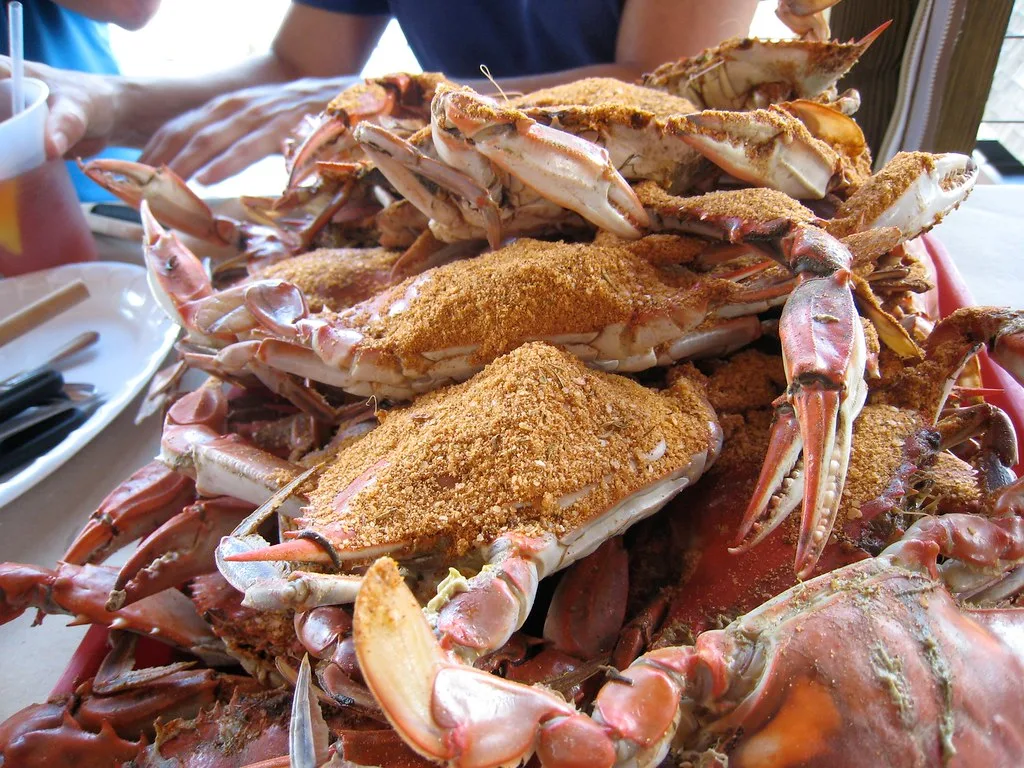
This is the traditional route, and many believe it offers the best flavor. You’ll need the freshest live lobsters you can find. A good rule of thumb for cooking is about 7 to 9 minutes per pound for a single lobster in a large pot of heavily salted boiling water. Add a couple of minutes for each additional lobster in the pot to maintain the boil.
You're aiming for a vibrant, bright red shell. Once cooked, let them cool sufficiently to handle before cracking them open. The tail, claws, and knuckles all contain delicious meat that should be gently extracted. Finally, chop the meat into bite-sized pieces, avoiding anything too mushy, as this will be part of your filling.
Option 2: Buying Pre-Cooked Lobster Meat
For a significant time saver, purchasing pre-cooked lobster meat is a great option. Head to a reputable seafood market and look for meat sourced from tails, claws, and knuckles. It’s essential that the meat smells fresh and clean, not fishy. Once you get it home, give it a quick rinse under cold water and pat it thoroughly dry.
Just like with live lobster, you’ll then chop this meat into appealing, bite-sized pieces for your rolls. This method cuts down considerably on prep time without sacrificing too much flavor if the source is good.
Option 3: Using Lobster Tails (Cooked)
Another convenient choice involves using pre-cooked lobster tails. If you buy these frozen, make sure they are fully thawed according to package directions. Carefully remove the cooked meat from the shell surrounding the tail. This meat is typically sweet and tender.
Once extracted, chop it into pieces suitable for the filling. This method offers a good balance between convenience and quality, as the tails are often packed at their peak freshness.
The Dressing Debate: Mayo vs. Butter
This is where opinions can really diverge, but truthfully, both approaches lead to wonderfully different, yet equally delicious, lobster rolls. As of 2026, both Maine and Connecticut styles remain incredibly popular coastal favorites.
The Mayonnaise-Based Roll (Maine Style)
This is the classic cold lobster roll, celebrated for its bright, refreshing profile that allows the natural sweetness of the lobster to shine through. To prepare this version, you’ll gently mix about a pound of chopped cooked lobster meat with approximately a quarter cup of high-quality mayonnaise. A squeeze of fresh lemon juice, about one to two teaspoons, adds a vital zing. Season this mixture carefully with salt and freshly ground black pepper to taste; the goal is to enhance, not mask, the lobster.
Some people also like to add finely chopped celery for a bit of crunch, a pinch of paprika for color, or a sprinkle of fresh chives or parsley for extra freshness. It’s important not to overmix, as this can break down the lobster meat too much. After mixing, cover the bowl and let it chill in the refrigerator for at least 30 minutes. This allows the flavors to meld beautifully.
The Butter-Based Roll (Connecticut Style)
For those who prefer a warm, rich experience, the Connecticut-style lobster roll is a dream. Here, the focus is on butter. Gently warm about a pound of your chopped cooked lobster meat in a skillet with about a quarter cup of melted unsalted butter. You’re just warming the lobster through, not cooking it further, to keep it tender.
Season with salt and pepper. A tiny squeeze of lemon can cut through the richness if desired, or a pinch of Old Bay seasoning can add a subtle complexity. This results in warm, butter-coated lobster meat that’s intensely flavorful.
The Bun: Your Golden Ticket
While the lobster and dressing are undeniably important, don't underestimate the crucial role of the bun. The type and preparation of the bun can elevate a good lobster roll into an exceptional one. Manufacturer specifications for quality split-top hot dog buns often highlight their ability to hold a generous amount of filling without falling apart. You’ll want to use a split-top, or New England-style, bun.
To get that signature texture and flavor, buttering the bun is key. Spread a thin layer of softened, unsalted butter directly onto the cut sides of the split-top bun. Then, heat a skillet or griddle over medium heat. Place the buttered buns cut-side down onto the hot surface.
Toast them until they achieve a beautiful, golden-brown color and a slight crispness. This toasting process not only adds a wonderful texture but also creates a barrier that helps prevent the bun from becoming soggy, even with a generous filling.
Assembling Your Masterpiece
Now that your lobster is prepped and your buns are perfectly toasted, it’s time for the grand finale: assembly. This is where all your careful preparation comes together for that perfect bite. Whether you’ve opted for the cool, creamy Mayonnaise-Based Roll or the warm, buttery Connecticut Style, the technique for filling the bun is largely the same.
Take your warm, golden-brown toasted bun. Here’s the critical part: be generous but mindful. If you’ve prepared the Mayonnaise-Based Roll, carefully spoon a hearty portion of the chilled lobster salad into the split top of the bun. You want it piled high, showcasing the fresh ingredients.
For the warm buttered lobster, gently load the butter-coated meat into the bun, ensuring an even distribution. This stage requires a bit of feel; too little filling is disappointing, but too much can make it unwieldy to eat. The goal is a perfectly balanced sandwich where every component is present in harmony.
Quick Tips for Lobster Roll Perfection
Achieving that perfect lobster roll at home involves a few subtle touches that can make a significant difference. These tips come from aggregate feedback across numerous reputable culinary resources, highlighting common success factors.
- Don't Overstuff: While the urge to pack a lobster roll to the brim is strong, an excessively large filling can make it difficult to eat cleanly and can cause the filling to spill out. Aim for a generous but manageable amount that fits comfortably within the toasted bun.
- Keep it Cold (Mayo Version): If you're making mayonnaise-based lobster rolls ahead of time, ensure the lobster salad is kept very cold until the exact moment you plan to assemble and serve. Warm mayonnaise can become oily and lose its desired consistency.
- Don't Overcook: This cannot be stressed enough. Whether you're cooking live lobster or warming pre-cooked meat, overcooking is the fastest route to tough, rubbery results. Lobster meat turns opaque and firm when cooked but becomes shrunken and chewy if subjected to prolonged heat.
- Quality Ingredients Matter: Since lobster is the undisputed star, its quality is paramount. Likewise, the mayonnaise or butter you use will significantly impact the final flavor. Opt for high-quality ingredients to let the natural sweetness of the lobster shine through.
Option 1: Cooking Your Own Live Lobster
This is the traditional route, and many believe it offers the best flavor. You’ll need the freshest live lobsters you can find. A good rule of thumb for cooking is about 7 to 9 minutes per pound for a single lobster in a large pot of heavily salted boiling water. Add a couple of minutes for each additional lobster in the pot to maintain the boil.
You're aiming for a vibrant, bright red shell. Once cooked, let them cool sufficiently to handle before cracking them open. The tail, claws, and knuckles all contain delicious meat that should be gently extracted. Finally, chop the meat into bite-sized pieces, avoiding anything too mushy, as this will be part of your filling.
Option 2: Buying Pre-Cooked Lobster Meat
For a significant time saver, purchasing pre-cooked lobster meat is a great option. Head to a reputable seafood market and look for meat sourced from tails, claws, and knuckles. It’s essential that the meat smells fresh and clean, not fishy. Once you get it home, give it a quick rinse under cold water and pat it thoroughly dry.
Just like with live lobster, you’ll then chop this meat into appealing, bite-sized pieces for your rolls. This method cuts down considerably on prep time without sacrificing too much flavor if the source is good.
Option 3: Using Lobster Tails (Cooked)
Another convenient choice involves using pre-cooked lobster tails. If you buy these frozen, make sure they are fully thawed according to package directions. Carefully remove the cooked meat from the shell surrounding the tail. This meat is typically sweet and tender.
Once extracted, chop it into pieces suitable for the filling. This method offers a good balance between convenience and quality, as the tails are often packed at their peak freshness.
The Dressing Debate: Mayo vs. Butter
This is where opinions can really diverge, but truthfully, both approaches lead to wonderfully different, yet equally delicious, lobster rolls. As of 2026, both Maine and Connecticut styles remain incredibly popular coastal favorites.
The Mayonnaise-Based Roll (Maine Style)
This is the classic cold lobster roll, celebrated for its bright, refreshing profile that allows the natural sweetness of the lobster to shine through. To prepare this version, you’ll gently mix about a pound of chopped cooked lobster meat with approximately a quarter cup of high-quality mayonnaise. A squeeze of fresh lemon juice, about one to two teaspoons, adds a vital zing. Season this mixture carefully with salt and freshly ground black pepper to taste; the goal is to enhance, not mask, the lobster.
Some people also like to add finely chopped celery for a bit of crunch, a pinch of paprika for color, or a sprinkle of fresh chives or parsley for extra freshness. It’s important not to overmix, as this can break down the lobster meat too much. After mixing, cover the bowl and let it chill in the refrigerator for at least 30 minutes. This allows the flavors to meld beautifully.
The Butter-Based Roll (Connecticut Style)
For those who prefer a warm, rich experience, the Connecticut-style lobster roll is a dream. Here, the focus is on butter. Gently warm about a pound of your chopped cooked lobster meat in a skillet with about a quarter cup of melted unsalted butter. You’re just warming the lobster through, not cooking it further, to keep it tender.
Season with salt and pepper. A tiny squeeze of lemon can cut through the richness if desired, or a pinch of Old Bay seasoning can add a subtle complexity. This results in warm, butter-coated lobster meat that’s intensely flavorful.
The Bun: Your Golden Ticket
While the lobster and dressing are undeniably important, don't underestimate the crucial role of the bun. The type and preparation of the bun can elevate a good lobster roll into an exceptional one. Manufacturer specifications for quality split-top hot dog buns typically highlight their ability to hold a generous amount of filling without falling apart. You’ll want to use a split-top, or New England-style, bun.
To get that signature texture and flavor, buttering the bun is key. Spread a thin layer of softened, unsalted butter directly onto the cut sides of the split-top bun. Then, heat a skillet or griddle over medium heat. Place the buttered buns cut-side down onto the hot surface.
Toast them until they achieve a beautiful, golden-brown color and a slight crispness. This toasting process not only adds a wonderful texture but also creates a barrier that helps prevent the bun from becoming soggy, even with a generous filling.
Assembling Your Masterpiece
Now that your lobster is prepped and your buns are perfectly toasted, it's time for the grand finale: assembly. This is where all your careful preparation comes together for that perfect bite. Whether you've opted for the cool, creamy Mayonnaise-Based Roll or the warm, buttery Connecticut Style, the technique for filling the bun is largely the same.
Take your warm, golden-brown toasted bun. Here’s the critical part: be generous but mindful. If you’ve prepared the Mayonnaise-Based Roll, carefully spoon a hearty portion of the chilled lobster salad into the split top of the bun. You want it piled high, showcasing the fresh ingredients.
For the warm buttered lobster, gently load the butter-coated meat into the bun, ensuring an even distribution. This stage requires a bit of feel; too little filling is disappointing, but too much can make it unwieldy to eat. The goal is a perfectly balanced sandwich where every component is present in harmony.