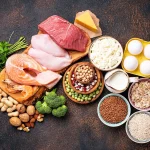
So, what's for dinner? We've all been there, staring into the fridge with a profound sense of culinary blankness. It's a common dilemma, but the answer to "What Can I Cook With What I Have" is usually simpler than you think. It's about resourcefulness and understanding how ingredients can work together, turning potential food waste into delicious meals.
Our research indicates that many home cooks can significantly reduce their grocery bills and food waste by mastering this skill. For instance, the U.S. Department of Agriculture (USDA) reports that up to 30-40% of the food supply in America is wasted, with much of that occurring at the consumer level. By knowing how to creatively combine existing ingredients, you can bypass the need for those last-minute grocery runs.
Let’s break down how to make that happen.
Taking Stock: Your Fridge & Pantry Inventory
This is your starting line, the essential first step before any creative cooking can begin. It sounds obvious, but a thorough, honest inventory of what you actually have can be a real eye-opener. Don't just glance. Pull things out, check expiration dates, and assess the condition of your ingredients.
- The "Use Me Soon" Zone: These are the VIPs. Think about that half-bunch of cilantro wilting in the crisper, the last lonely bell pepper, or those bananas hitting peak ripeness. These items have the shortest shelf life and should be prioritized.
- The Pantry Staples: Here's where your long-term players reside. Canned beans, pasta, rice, oats, flour, sugar, oils, vinegar, and your spice rack are the building blocks for countless dishes. Check if you're running low on anything critical.
- The "Maybe" Pile: These are ingredients that are still good but not in immediate danger of spoiling. A block of cheese nearing its best-by date, a couple of eggs, or a lone chicken breast fall into this category.
A quick check ensures you're aware of your resources and can prevent good food from ending up in the trash.
Identifying Your Core Ingredients: The Meal's Foundation
Once you know what you have, it’s time to find the anchor for your meal. Usually, one or two ingredients will stand out and suggest a direction for your dish. Think of these as the main characters in your culinary production.
Protein Powerhouses
This is often the most substantial part of a meal and helps determine the overall structure. Do you have poultry, red meat, fish, or plant-based proteins like tofu, tempeh, or a variety of beans and lentils? A single chicken breast, a can of chickpeas, or even a few eggs can serve as excellent protein bases.
Carb Central Stars
These ingredients provide substance and energy, forming the bulk of many meals. Your pantry is likely stocked with candidates like rice, pasta, bread, potatoes, or quinoa. These can act as a bed for toppings, a base for a casserole, or a side dish.
Veggie Vanguard
While often supporting roles, certain vegetables can absolutely take center stage. A vibrant head of broccoli, a bunch of asparagus, or a medley of colorful bell peppers can inspire an entire dish. Their freshness, texture, and flavor will dictate the cooking method that best suits them.
Building the Supporting Cast: Flavor & Texture Boosters
With your core ingredients identified, now you look to the remaining ingredients that will enhance and complement the main event. These are the flavor ninjas and texture specialists of your meal. Think of them as the supporting actors who make the lead shine.
Your "Use Me Soon" and "Maybe" piles are critical here. That half-used jar of olives, a lonely sprig of rosemary, a bit of wilting spinach, or a lemon that's past its prime but still has juice, all these can add immense character. Don't overlook aromatics like onions, garlic, ginger, and chilies, which are fundamental for building depth. Dairy products like cheese or yogurt, nuts, seeds, and even certain crunchy grains can add essential texture and richness.
Choosing Your Cooking Method: What Fits Your Ingredients?
Based on your identified core and supporting ingredients, you can start to visualize the type of dish you'll create. The ingredients themselves often dictate the best cooking approach.
Quick Sauté or Stir-fry
This method is ideal for smaller pieces of protein (like thin strips of chicken or beef), and quick-cooking vegetables such as bell peppers, broccoli florets, snap peas, or spinach. You'll need some oil and your sauce components (soy sauce, garlic, ginger, etc.) ready to go. It's a fast way to combine multiple ingredients efficiently.
Hearty Stews or Soups
If you have root vegetables like carrots and potatoes, tougher cuts of meat, or canned beans and tomatoes, a stew or soup is a fantastic option. These dishes are forgiving and allow flavors to meld over time, making them perfect for transforming slightly less-than-perfect produce into something deeply satisfying. Liquid elements like broth, water, or crushed tomatoes are key.
Easy Baked Dishes
This category covers anything from casseroles and gratins to roasted vegetables or baked proteins. If you have ingredients that can hold up to oven heat, such as potatoes, sturdy greens, or chicken pieces, baking can concentrate flavors and create lovely textures, often with minimal active cooking time. A simple binder or sauce component might be needed.
Simple Pasta or Rice Creations
These grain-based dishes provide a versatile canvas. A box of pasta or a bag of rice serves as a neutral base that can be elevated by whatever vegetables, proteins, and sauces you have on hand. Think carbonara-style with eggs and cheese, a simple tomato-based sauce with hidden veggies, or a flavorful fried rice.
Speedy Egg Dishes
Eggs are remarkably adaptable. Scrambles, omelets, frittatas, or even just fried eggs on toast can incorporate a surprising amount of chopped vegetables, cheese, or leftover cooked meats. They are a fantastic solution when you need a quick, protein-rich meal with minimal prep.
The "What If?" Game: Adapting and Substituting
This is where the real magic of cooking with what you have truly shines. It's about being flexible and not letting a missing ingredient derail your entire meal. Think of this as a conditional workflow: "If I have X, then I can do Y."
- Scenario: You need fresh garlic for your sauté, but you only have garlic powder.
- Adaptation: Use about 1/4 teaspoon of garlic powder for every clove of fresh garlic called for, adding it with your other dry spices to allow it to bloom in the heat.
- Scenario: Your recipe calls for a full onion, but you only have half.
- Adaptation: That's perfectly fine! Use what you have and perhaps add another aromatic like a shallot or some leek greens if available to compensate slightly for flavor.
- Scenario: You planned a creamy sauce but ran out of cream.
- Adaptation: Can you use milk and a bit of cornstarch or flour to thicken it? Or perhaps a swirl of Greek yogurt or blended cashews could provide a similar richness.
This iterative process of "what if" allows you to troubleshoot on the fly and build confidence in your ability to make delicious meals without rigid adherence to a recipe.
Common Ingredient Pairings to Spark Ideas
Certain ingredient combinations just work. They've been tried and tested over centuries, forming the backbone of cuisines worldwide. Tapping into these classic pairings can give you a reliable starting point, even if you're improvising.
- Tomatoes & Basil: A match made in heaven for Italian dishes, salsas, or simple pasta sauces.
- Chicken & Lemon/Rosemary: These flavors beautifully complement poultry, whether roasted, pan-fried, or in a stew.
- Beans & Cumin/Chili: Essential for flavorful chili, tacos, or hearty bean salads.
- Apples & Cinnamon: A classic for baked goods, desserts, or even savory pork dishes.
- Broccoli & Garlic/Cheese: A simple, crowd-pleasing combination for steaming, roasting, or casseroles.
Think about the cuisine style you’re leaning towards (Italian, Mexican, Asian, etc.) and research common flavor pairings within that category. This can give you a quick mental shortcut to a delicious outcome.
Mistakes to Avoid When Cooking Spontaneously
While cooking with what you have is empowering, there are a few common pitfalls that can turn a potentially great meal into a disappointment. Being aware of these can help you steer clear of frustration and wasted ingredients. It’s all part of the learning curve.
Overly Rigid Recipe Thinking
Not every meal needs to follow an exact recipe. If a recipe calls for two cups of broth and you only have 1.5, don't discard the idea. Figure out how to adjust. Perhaps add a bit more of another liquid like water or canned tomatoes, or thicken the sauce slightly more if baking.
Forgetting Staples
These are the ingredients that provide the foundation or binding power. Running out of oil for sautéing, salt for seasoning, or flour for thickening can be tricky. Before you start, do a quick check for your essential pantry items, as they are often non-negotiable for many cooking methods.
Ignoring Freshness Levels
While using up ingredients is the goal, there's a difference between "slightly soft" and "completely spoiled." Don't try to salvage produce that exhibits signs of microbial growth, off-smells, or slimy textures. Focus on gently wilting greens or slightly overripe fruits that are still safe and pleasant to consume.
Practical Tips for Culinary Resourcefulness
Beyond just knowing what you have, there are smart strategies to maximize your ingredient usage and minimize waste. These are the seasoned insights that make cooking with what you've got truly effective.
- Freeze Strategically: Chop leftover onions or garlic and freeze them in portioned bags for future use. Blanch and freeze wilting herbs. Freeze leftover broths or sauces.
- Embrace the "Everything" Bag: Keep a bag in your freezer for vegetable scraps like onion peels, carrot tops, and celery ends. These can be simmered to make a basic vegetable broth.
- Learn Basic Sauce Techniques: A simple roux (butter and flour), a vinaigrette, or a quick pan sauce can transform bland ingredients into something exciting.
- Flavor Layering: Start with aromatics like onions and garlic, add your main ingredients, then build flavor with spices, herbs, and liquids. Finishing with a fresh herb, a squeeze of citrus, or a dash of hot sauce can elevate the dish significantly.
- Understand Carryover Cooking: Many foods, especially proteins, continue to cook after being removed from heat. Factor this in to avoid overcooking, which can lead to dry or tough results.
When to Grab Takeout: Knowing Your Limits
While the goal is to cook with what you have, it's also important to recognize when that's truly not feasible or when it might lead to a less-than-ideal outcome. There's no shame in calling for backup when necessary.
Consider these scenarios:
- Critical Missing Ingredients: If you lack a fundamental component like a protein, a primary carbohydrate, or essential aromatics and liquids, improvising might become too difficult or yield a very unappealing result. For example, trying to make a stir-fry without any oil or soy sauce is a tough challenge.
- Time Constraints: Sometimes, even if you have the ingredients, you might not have the 45 minutes to an hour needed to prepare a meal from scratch. In these cases, a quick takeout option can be a sensible choice.
- Very Limited Options: If your inventory consists of just one or two items without any supporting flavors or textures, forcing a meal might not be worth the effort or the potential disappointment. It might be more practical to get a few key items if time and budget allow.
Remember, the aim is to make good food. If leaning on outside help is the best way to achieve that on a given night, it’s a perfectly valid decision.
Scenario Snapshots: Cooking with What You Have
Let's look at a couple of real-world examples to see how this process plays out. These scenarios illustrate how different ingredient combinations can lead to distinct, satisfying meals without a traditional recipe. Each situation involves a quick assessment and a decision-making flow.
Scenario 1: The "Half-Vegetable" Quiche
- Inventory: A few eggs, a carton of milk (about half full), a bit of shredded cheese, half an onion, a single bell pepper, and some wilting spinach from the "use me soon" pile. Pantry has salt, pepper, and dried herbs.
- Core: Eggs and milk will form the custard base.
- Supporting Cast: Onion, bell pepper, and spinach for the filling. Cheese for flavor.
- Method: Baking.
- Decision Tree:
- Do I have enough liquid for a custard? Yes, milk and eggs.
- Can I sauté the aromatics and veggies? Yes, onion, pepper, spinach need a quick sauté.
- Do I have a vessel to bake in? Assume a pie dish or oven-safe skillet is available.
- Outcome: A simple, savory vegetable quiche. You might not have a pre-made crust, but baking the filling alone can still be delicious, especially with the cheese.
Scenario 2: The Speedy Bean & Rice Bowl
- Inventory: A can of black beans, leftover cooked rice, half a lime, a small amount of salsa, and a sprig of cilantro. Pantry has chili powder, cumin, and oil.
- Core: Black beans and rice.
- Supporting Cast: Lime for acidity, salsa for moisture and flavor, cilantro for freshness. Spices for depth.
- Method: Assembly and quick warming/sauté.
- Decision Tree:
- Can I warm the rice and beans? Yes, microwave or quick sauté.
- Can I add flavor? Yes, spices during warming, lime and salsa as toppings.
- Is there a fresh element? Cilantro provides that.
- Outcome: A flavorful and filling rice and bean bowl, ready in minutes. This is a classic example of making a complete meal from pantry and leftover components.
Expert Tips for Culinary Resourcefulness
Beyond just knowing what you have, there are smart strategies to maximize your ingredient usage and minimize waste. These are the seasoned insights that make cooking with what you've got truly effective.
- Freeze Strategically: Chop leftover onions or garlic and freeze them in portioned bags for future use. Blanch and freeze wilting herbs. Freeze leftover broths or sauces for future meal bases.
- Embrace the "Everything" Bag: Keep a bag in your freezer for vegetable scraps like onion peels, carrot tops, and celery ends. These can be simmered to make a basic vegetable broth, reducing the need to buy it.
- Learn Basic Sauce Techniques: A simple roux (butter and flour), a vinaigrette, or a quick pan sauce can transform bland ingredients into something exciting. These techniques are fundamental for bringing disparate ingredients together.
- Flavor Layering: Start with aromatics like onions and garlic, add your main ingredients, then build flavor with spices, herbs, and liquids. Finishing with a fresh herb, a squeeze of citrus, or a dash of hot sauce can elevate the dish significantly.
- Understand Carryover Cooking: Many foods, especially proteins, continue to cook after being removed from heat. Factor this in to avoid overcooking, which can lead to dry or tough results. This is a key aspect of successful cooking, regardless of the recipe.
When to Grab Takeout: Knowing Your Limits
While the goal is to cook with what you have, it's also important to recognize when that's truly not feasible or when it might lead to a less-than-ideal outcome. There's no shame in calling for backup when necessary.
Consider these scenarios objectively:
- Critical Missing Ingredients: If you lack a fundamental component like a primary protein, a main carbohydrate, or essential aromatics and liquids, improvising might become too difficult or yield a very unappealing result. Attempting a stir-fry without any oil or soy sauce, for example, presents a significant challenge.
- Time Constraints: Sometimes, even if you have the ingredients, you might not have the 45 minutes to an hour needed to prepare a meal from scratch. In these cases, a quick takeout option can be a sensible and stress-reducing choice.
- Very Limited Options: If your inventory consists of just one or two items without any supporting flavors or textures, forcing a meal might not be worth the effort or the potential disappointment. It might be more practical to get a few key items if time and budget allow for a more enjoyable outcome.
Remember, the aim is to make good food. If leaning on outside help is the best way to achieve that on a given night, it’s a perfectly valid decision based on practical realities.
Scenario Snapshots: Cooking with What You Have
Let's look at a couple of real-world examples to see how this process plays out. These scenarios illustrate how different ingredient combinations can lead to distinct, satisfying meals without a traditional recipe. Each situation involves a quick assessment and a decision-making workflow, as we touched on earlier.
Scenario 1: The "Half-Vegetable" Frittata
- Inventory: A few eggs, a carton of milk (about half full), a bit of shredded cheese, half an onion, a single bell pepper, and some wilting spinach from the "use me soon" pile. Pantry has salt, pepper, and dried herbs.
- Core Components: Eggs and milk will form the custard base for the frittata.
- Supporting Cast: Onion, bell pepper, and spinach will be sautéed to form the filling. Cheese adds flavor and richness.
- Method: Baking or stovetop finishing.
- Decision Tree:
- Do I have sufficient liquid for a custard? Yes, the milk and eggs provide enough.
- Can I adequately prepare the vegetables? Yes, the onion, pepper, and spinach can be quickly sautéed.
- Do I have an oven-safe skillet or baking dish? Assuming yes, as this is common kitchen equipment.
- Outcome: A simple, savory vegetable frittata. While a pre-made crust isn't present, the baked egg mixture with sautéed vegetables and cheese is a complete and nourishing meal.
Scenario 2: The Speedy Bean & Rice Bowl
- Inventory: A can of black beans, leftover cooked rice, half a lime, a small amount of salsa, and a sprig of cilantro. Pantry has chili powder, cumin, and cooking oil.
- Core Components: The black beans and rice form the substantial base of this bowl.
- Supporting Cast: Lime provides essential acidity, salsa adds moisture and flavor complexity, and cilantro offers a fresh, bright finish. Spices enhance the bean flavor.
- Method: Assembly and quick warming/sautéing.
- Decision Tree:
- Can I efficiently warm the rice and beans? Yes, either in a microwave or a quick pan sauté.
- Can I add flavor to the base? Yes, warming the spices with the beans and oil is key.
- Is there a fresh element for contrast? The cilantro and lime juice provide this critical balance.
- Outcome: A flavorful and filling rice and bean bowl, assembled and ready to eat in just a few minutes. This is a prime example of constructing a meal from pantry staples and leftovers.