So, you're wondering about acrylamide in your cooking. It's a common question that pops up when we start thinking more about what's in our food and how it's prepared. Acrylamide is a chemical that can naturally form in certain foods when they're cooked at high temperatures, especially those that are low in moisture and rich in specific amino acids and sugars.
Our research clarifies that this formation is a natural part of the cooking process, often linked to the browning we enjoy in many foods. For instance, the U.S. Food and Drug Administration (FDA) has noted that significant levels of acrylamide can be found in products like potato chips and french fries, as well as certain breakfast cereals and coffee. Understanding its origins helps us make more informed choices about our diet.
Understanding Acrylamide in Your Cooking
What is Acrylamide, Really?
Acrylamide is a chemical compound that can form during the high-temperature cooking of certain foods. It's not something added to food knowingly; rather, it comes about through a natural chemical reaction. This compound has been a subject of scientific interest for its potential implications.
How Does Acrylamide Form in Food?

Image source: Openverse / Thomas Cizauskas (PDM 1.0)
Acrylamide forms primarily through a process known as the Maillard reaction. This is a complex set of chemical reactions between amino acids and reducing sugars, which occurs when foods are heated to temperatures above 248°F (120°C). Think of it as the reaction that gives bread crusts their brown color and toasty flavor, or what makes roasted meats so appealing. When specific ingredients like asparagine (an amino acid) and certain sugars are present in foods with low moisture content, and these foods are subjected to intense heat, acrylamide can be generated as a byproduct.
The intensity of the heat and the duration of cooking play significant roles in the amount of acrylamide that may form.
Foods Most Likely to Contain Acrylamide
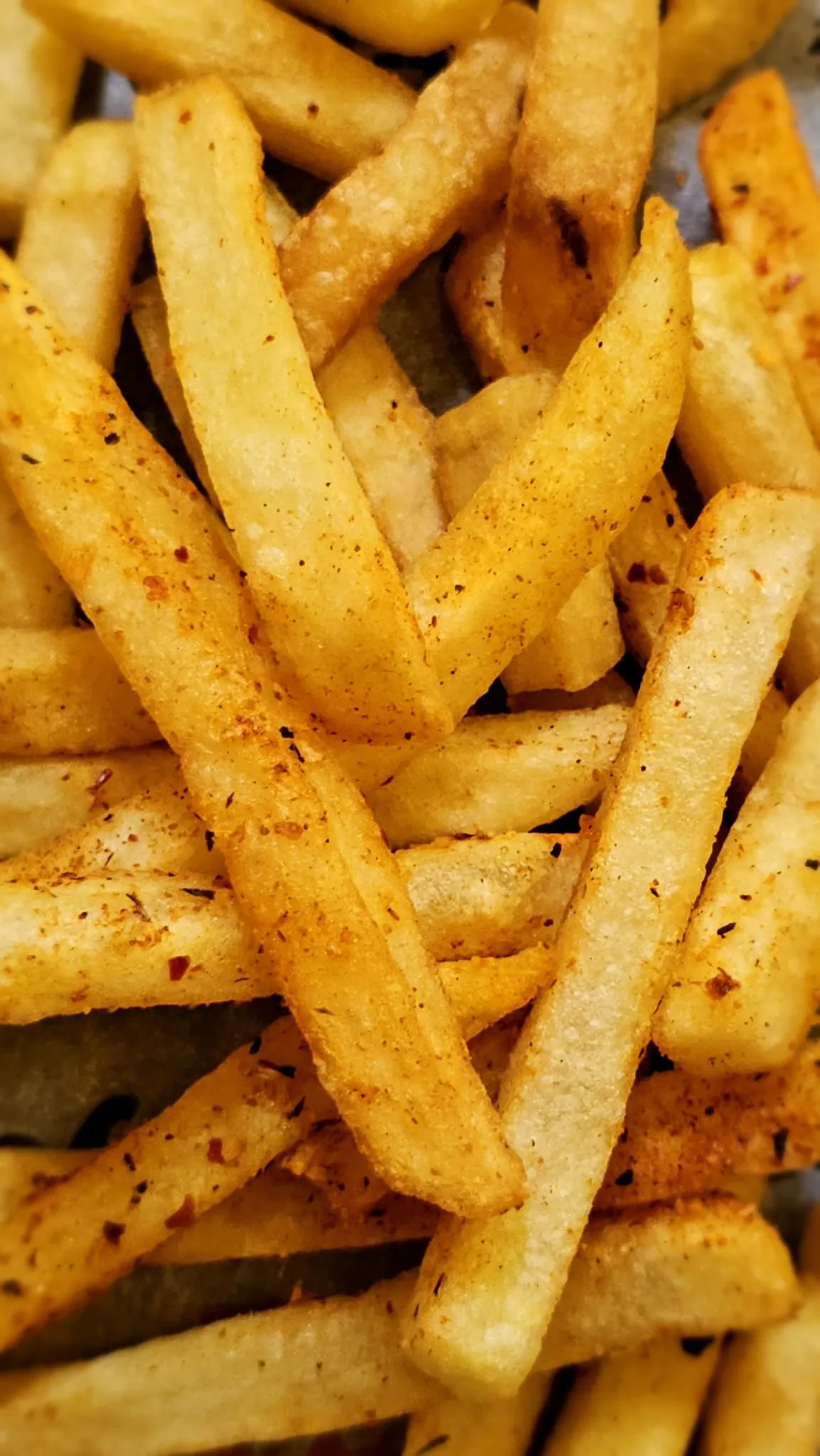
Image source: Openverse / Ilkay Beydah Saglam
Certain food categories are more prone to developing acrylamide due to their composition and how we typically cook them. Familiar favorites like potato products, french fries, potato chips, and other fried or oven-baked potato items, are often highlighted. This is because potatoes are rich in both sugars and asparagine, and they are usually cooked at high temperatures to achieve desirable crispness. Beyond potatoes, baked and fried grain products, such as bread, toast, crackers, cookies, and breakfast cereals, can also contain acrylamide.
The roasting of coffee beans is another process where acrylamide can form. Processed foods that undergo high-temperature treatment, like certain snack foods, are also areas of consideration.
Is Acrylamide a Serious Health Concern?
The potential health risks associated with acrylamide exposure from food have been evaluated by various scientific bodies. In animal studies, high doses of acrylamide have been shown to cause cancer. However, the evidence for acrylamide causing cancer in humans through typical dietary exposure is less clear and remains an area of ongoing scientific investigation and debate. Regulatory agencies worldwide continue to monitor research and assess risk.
As of 2026, the general consensus from major health organizations is that while minimizing exposure is a prudent approach, the overall risk from typical dietary levels is considered to be low for most people. This perspective encourages consumers to focus on balanced diets and sensible cooking practices rather than extreme avoidance of common foods.
Practical Tips to Reduce Acrylamide in Your Kitchen
You can make a difference in acrylamide formation right in your own kitchen with some straightforward adjustments to your cooking habits. The goal is to leverage our understanding of the Maillard reaction to minimize byproduct formation without sacrificing the deliciousness of your meals.
Here are some actionable strategies:
- Cook to a Lighter Golden Color: Instead of letting foods like potatoes or bread become deeply browned or dark, aim for a lighter golden or yellow hue. Excessive browning often correlates with higher acrylamide levels.
- Soak Cut Potatoes: If you're preparing french fries or other potato dishes from fresh potatoes, soaking the cut pieces in water for 15 to 30 minutes before cooking can help wash away some of the surface sugars. This step, followed by thorough drying, can reduce acrylamide formation during frying or roasting.
- Vary Your Cooking Methods: Don't rely solely on frying or high-heat roasting for all your meals. Incorporating methods like boiling, steaming, or poaching, which cook at lower temperatures, helps avoid the conditions that favor acrylamide development.
- Store Potatoes Correctly: Keep raw potatoes in a cool, dark place between 45-55°F (7-13°C). Refrigeration can increase the sugar content of potatoes, potentially leading to higher acrylamide formation when they are cooked.
- Follow Recipe Guidelines: Pay attention to cooking times and temperatures suggested in recipes. Overcooking or cooking at unnecessarily high temperatures can increase acrylamide levels.